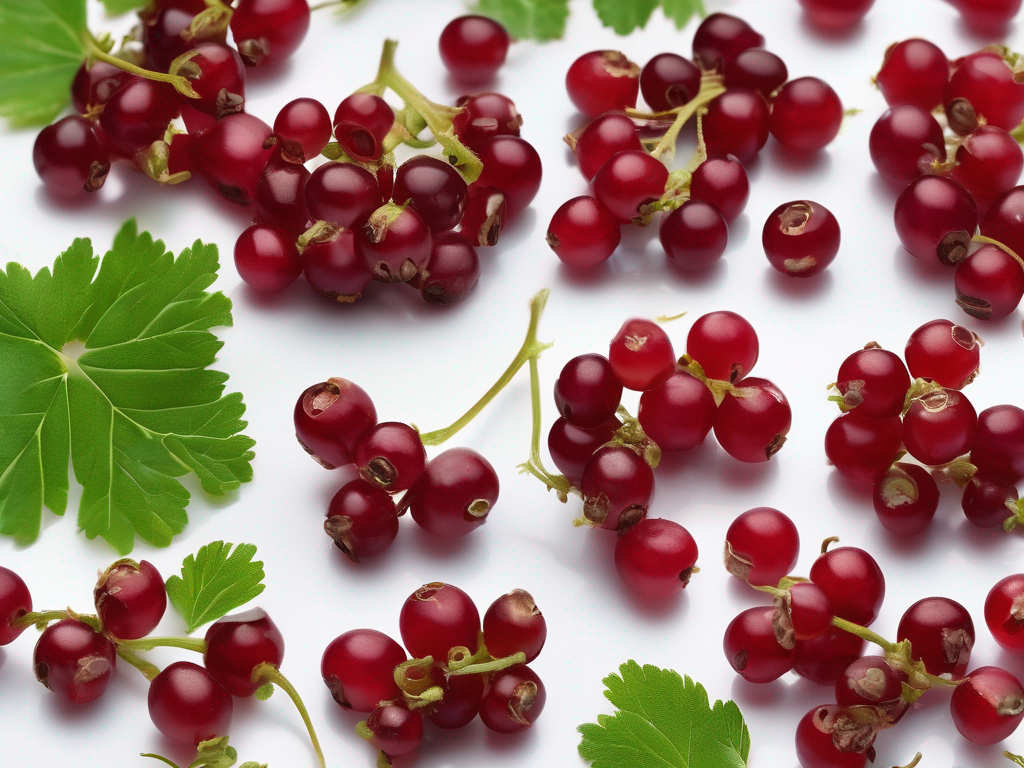
How to Properly Store Buffalo Currant to Prolong Its Shelf Life
How to Properly Store Buffalo Currant to Prolong Its Shelf Life
Buffalo currant, also known as Ribes odoratum, is a small, tart berry that is packed with flavor and nutrients. Whether you grow your own or purchase them at a local market, proper storage is key to maintaining their freshness and maximizing their shelf life. In this guide, we will explore the best practices for storing buffalo currant to ensure they stay fresh and delicious for as long as possible. (Buffalo currant)
Understanding Buffalo Currant
Before diving into storage tips, it's important to understand the unique characteristics of buffalo currant. These berries are rich in vitamin C, antioxidants, and fiber, making them a nutritious addition to your diet. They have a tart flavor that pairs well with both sweet and savory dishes, making them a versatile ingredient in the kitchen.
Nutritional Benefits of Buffalo Currant
- High in vitamin C
- Rich in antioxidants
- Good source of fiber
Proper Storage Techniques
To prolong the shelf life of buffalo currant and prevent them from spoiling prematurely, follow these storage guidelines:
Proper airflow and humidity control can significantly extend produce freshness. Many households use produce storage containers (Amazon) in the refrigerator to regulate moisture and slow spoilage.
1. Refrigeration
- Place buffalo currant in a perforated plastic bag before storing in the refrigerator.
- Store them in the crisper drawer to maintain optimal humidity levels.
- Avoid washing buffalo currant before refrigerating as excess moisture can lead to mold growth.
2. Freezing
- Spread buffalo currant in a single layer on a baking sheet and freeze until solid.
- Transfer the frozen berries to a freezer-safe bag or container.
- Frozen buffalo currant can be stored for up to 12 months.
3. Dehydrating
- Dehydrate buffalo currant in a food dehydrator or oven at a low temperature.
- Store the dried berries in an airtight container in a cool, dark place.
- Rehydrate dried buffalo currant by soaking them in water before use.
4. Canning
- Preserve buffalo currant by canning them in a sugar syrup or as a jam.
- Follow proper canning procedures to ensure the safety and longevity of the preserved berries.
- Store canned buffalo currant in a cool, dark place for up to a year.
Safety Precautions
When storing buffalo currant, it's important to keep food safety in mind to prevent contamination and foodborne illnesses. Here are some safety precautions to follow:
- Wash your hands before handling buffalo currant to prevent the transfer of bacteria.
- Use clean utensils and containers when storing the berries to avoid cross-contamination.
- Check buffalo currant for signs of mold, discoloration, or spoilage before consuming.
Conclusion
Proper storage is essential for prolonging the shelf life of buffalo currant and preserving their flavor and nutritional benefits. By following the tips outlined in this guide, you can enjoy fresh and delicious buffalo currant for an extended period. Whether you choose to refrigerate, freeze, dehydrate, or can these berries, taking the time to store them correctly will ensure that they remain a valuable ingredient in your kitchen. Incorporate buffalo currant into your favorite recipes and reap the nutritional quality of this versatile and nutrient-rich fruit. (Buffalo currant)
Authoritative Food Safety References
These agencies and university labs inform every tip and health precaution we publish.
USDA FoodKeeper – Cold Storage Guidelines
Official refrigerator, freezer, and pantry timelines maintained by the U.S. Department of Agriculture.
Visit USDA FoodKeeperFDA Produce Safety Rule & Grower Guidance
Field-to-fridge handling practices that prevent contamination of fruits, vegetables, and leafy greens.
Visit FDA Produce SafetyCDC Foodborne Illness Prevention Hub
Surveillance-backed guidance on pathogens, symptoms, and steps to reduce foodborne illness risk.
Visit CDC Food SafetyUC Davis Postharvest Technology Center
University research detailing optimal storage atmospheres for produce after harvest.
Visit UC Davis PostharvestPenn State Extension – Home Food Preservation & Safety
Peer-reviewed extension bulletins on safe canning, chilling, and reheating practices.
Visit Penn State ExtensionDisclosure: As an Amazon Associate, we earn from qualifying purchases. This helps support our site and allows us to continue providing free food safety information.