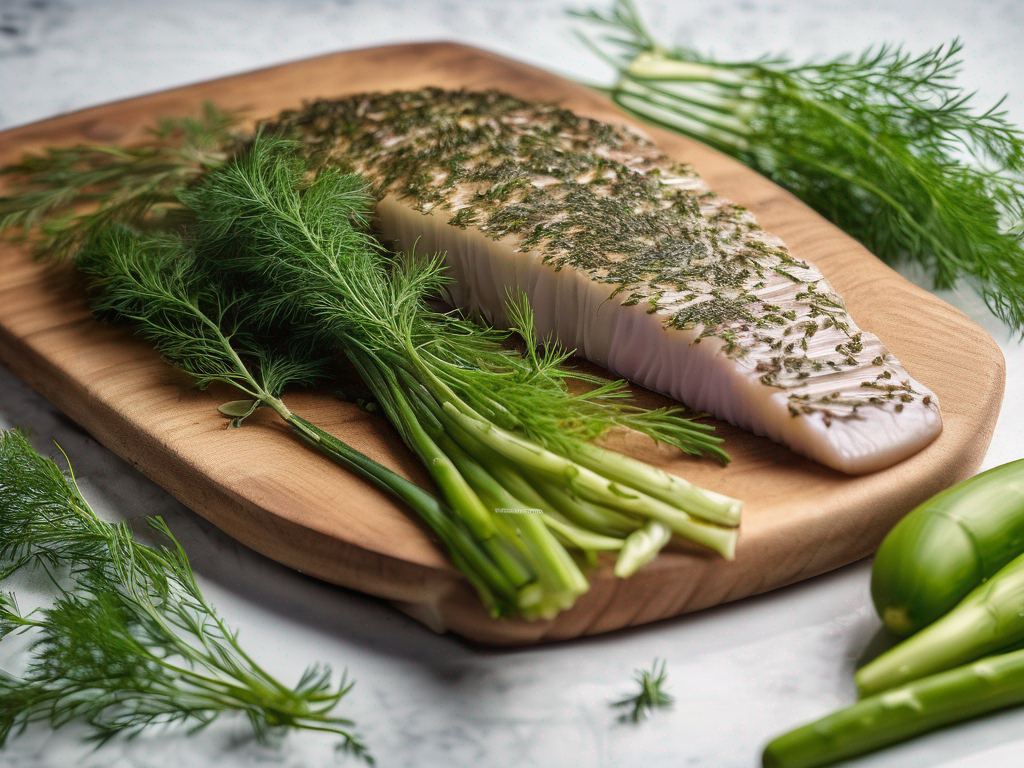
Preserving Fresh Dill: Tips to Prevent Spoilage
Preserving Fresh Dill: Tips to Prevent Spoilage
Dill is a flavorful and aromatic herb that adds a unique taste to various dishes, from salads to seafood. However, like all fresh herbs, dill has a limited shelf life and can quickly go bad if not stored properly. In this blog post, we will discuss effective ways to preserve fresh dill to extend its freshness and flavor. (Dill)
Why Preserve Fresh Dill?
Fresh dill is rich in essential oils, vitamins, and minerals that offer numerous nutritional quality. By preserving dill correctly, you can enjoy its fresh flavor for an extended period and reduce food waste. Here are some common methods to preserve fresh dill:
1. Drying Fresh Dill
Drying is one of the easiest and most effective ways to preserve fresh dill. Follow these steps to dry dill properly:
Seafood is highly perishable and requires consistent cold storage. A refrigerator thermometer (Amazon) helps ensure your refrigerator maintains safe temperatures (40°F or below) to prevent spoilage.
- Harvesting: Pick fresh dill sprigs in the morning when the essential oils are most potent.
- Cleaning: Rinse the dill sprigs under cold water to remove any dirt or debris.
- Drying: Pat the dill sprigs dry with a paper towel and tie them into small bundles.
- Hanging: Hang the dill bundles upside down in a dark, well-ventilated room for 1-2 weeks until completely dry.
- Storing: Once dried, remove the dill leaves from the stems and store them in an airtight container in a cool, dark place.
2. Freezing Fresh Dill
Freezing fresh dill is another effective way to preserve its flavor and aroma. Follow these steps to freeze dill properly:
- Blanching: Blanch the dill sprigs in boiling water for 30 seconds, then immediately transfer them to an ice bath to stop the cooking process.
- Drying: Pat the blanched dill sprigs dry with a paper towel to remove excess moisture.
- Chopping: Chop the dill leaves finely or leave them whole, depending on your preference.
- Packaging: Place the chopped dill in an airtight container or freezer bag, removing as much air as possible before sealing.
- Freezing: Label the container with the date and store it in the freezer for up to 6 months.
3. Preserving Fresh Dill in Oil
Preserving fresh dill in oil is a great way to infuse the herb's flavor into your dishes. Follow these steps to preserve dill in oil safely:
- Cleaning: Clean and dry the dill sprigs thoroughly to remove any moisture.
- Chopping: Chop the dill leaves finely and place them in a sterilized glass jar.
- Covering: Pour enough olive oil over the dill leaves to completely submerge them.
- Storing: Seal the jar tightly and store it in the refrigerator for up to 1 month, ensuring the dill remains submerged in oil.
4. Making Dill Infused Vinegar
Dill-infused vinegar is a versatile ingredient that can be used in dressings, marinades, and sauces. Follow these steps to make dill-infused vinegar at home:
- Cleaning: Clean and dry the dill sprigs thoroughly to remove any dirt.
- Sterilizing: Sterilize a glass jar by boiling it in water for 10 minutes and allowing it to cool.
- Adding: Place the dill sprigs in the sterilized jar and fill it with white vinegar, leaving a small gap at the top.
- Sealing: Seal the jar tightly and store it in a cool, dark place for 2-3 weeks to infuse the flavors.
- Straining: After infusing, strain the vinegar to remove the dill sprigs and store the infused vinegar in a clean, airtight container.
Conclusion
Preserving fresh dill is essential to prolong its shelf life and retain its flavor and aroma. Whether you choose to dry, freeze, preserve in oil, or make dill-infused vinegar, following proper storage methods is crucial to prevent spoilage and maintain the herb's quality. By incorporating these preservation techniques into your routine, you can enjoy the fresh taste of dill in your culinary creations for months to come. Remember to always practice food safety guidelines and store dill in clean, airtight containers to ensure optimal freshness. Dill is a versatile herb that can enhance a wide range of dishes, so make the most of it by preserving it effectively. (Dill)
Authoritative Food Safety References
These agencies and university labs inform every tip and health precaution we publish.
USDA FoodKeeper – Cold Storage Guidelines
Official refrigerator, freezer, and pantry timelines maintained by the U.S. Department of Agriculture.
Visit USDA FoodKeeperFDA Produce Safety Rule & Grower Guidance
Field-to-fridge handling practices that prevent contamination of fruits, vegetables, and leafy greens.
Visit FDA Produce SafetyCDC Foodborne Illness Prevention Hub
Surveillance-backed guidance on pathogens, symptoms, and steps to reduce foodborne illness risk.
Visit CDC Food SafetyUC Davis Postharvest Technology Center
University research detailing optimal storage atmospheres for produce after harvest.
Visit UC Davis PostharvestPenn State Extension – Home Food Preservation & Safety
Peer-reviewed extension bulletins on safe canning, chilling, and reheating practices.
Visit Penn State ExtensionDisclosure: As an Amazon Associate, we earn from qualifying purchases. This helps support our site and allows us to continue providing free food safety information.