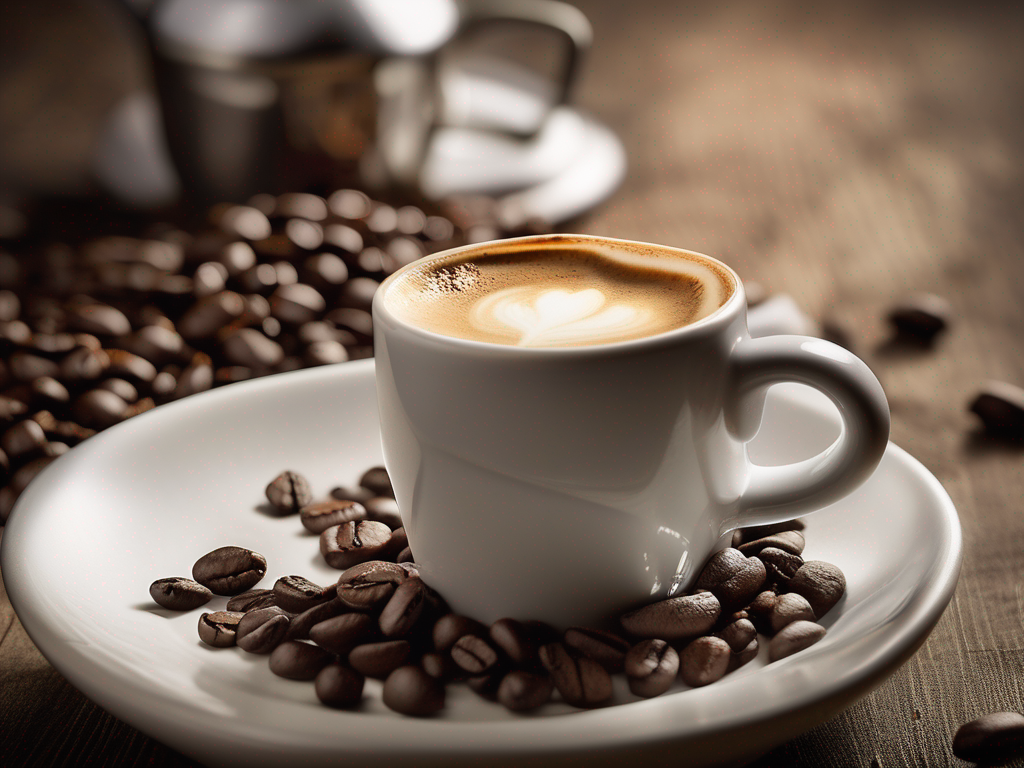
Is My Unopened Coffee Ground Expired?
Is My Unopened Coffee Ground Expired?
If you're a coffee lover, you know the importance of a good cup of coffee to kickstart your day. But what happens when you find a forgotten bag of unopened coffee grounds in your pantry? How can you tell if it's still safe to consume? In this blog post, we'll discuss how to determine if your unopened coffee ground is expired and what steps you can take to ensure its freshness and safety. (Coffee)
Understanding Coffee Expiration Dates
Coffee, like many other food products, comes with an expiration date or "best by" date stamped on the packaging. This date is an indicator of when the coffee is at its peak freshness and flavor. However, it's essential to understand that this date is more of a guideline than a strict rule when it comes to coffee grounds. Coffee doesn't necessarily spoil or become unsafe to consume after the expiration date, but its quality may deteriorate over time.
Factors Affecting Coffee Freshness
Several factors can impact the freshness and quality of your unopened coffee grounds:
- Air Exposure: Oxygen is one of the biggest enemies of coffee freshness. Exposure to air can cause the coffee oils to oxidize, leading to a stale taste.
- Light: Light can also accelerate the degradation of coffee flavors, which is why it's essential to store coffee in a dark, opaque container.
- Moisture: Moisture can cause coffee grounds to clump together and promote the growth of mold and bacteria.
- Temperature: Storing coffee in fluctuating temperatures can affect its flavor profile. It's best to store coffee in a cool, dark place away from heat sources.
Signs of Expired Coffee Grounds
While coffee grounds don't necessarily expire in the same way that perishable foods do, there are some signs to look out for to determine if your unopened coffee ground is past its prime:
Visual Inspection
- Mold: If you notice any signs of mold growth on the coffee grounds, it's best to discard them immediately.
- Clumping: Coffee grounds that have clumped together or feel moist to the touch may indicate that moisture has seeped into the packaging, affecting the quality of the coffee.
- Discoloration: If the coffee grounds appear significantly darker or lighter than when you first bought them, it may be a sign of deterioration.
Aroma
- Stale Smell: Fresh coffee should have a rich, inviting aroma. If the coffee grounds smell stale or musty, it's a sign that the coffee has lost its freshness.
Taste
- Off Flavors: When brewed, expired coffee grounds may produce a bitter or sour taste, indicating that the coffee has gone stale.
Storage Tips for Prolonging Coffee Freshness
To ensure that your unopened coffee grounds stay fresh for as long as possible, consider the following storage tips:
- Keep it airtight: Store your coffee grounds in an airtight container to prevent exposure to oxygen, which can degrade the coffee's flavor.
- Store in a cool, dark place: Keep your coffee away from heat sources and direct sunlight to maintain its freshness.
- Avoid moisture: Moisture can cause coffee grounds to spoil quickly. Store your coffee in a dry place to prevent clumping and mold growth.
- Don't freeze coffee: While some people believe that freezing coffee can extend its shelf life, freezing can actually affect the flavor and aroma of the coffee. It's best to store coffee at room temperature.
Conclusion
In conclusion, while unopened coffee grounds don't technically expire, their quality can deteriorate over time due to factors like air exposure, light, moisture, and temperature. By paying attention to visual cues, aroma, and taste, you can determine if your coffee grounds are still suitable for brewing. To prolong the freshness of your coffee, store it in a cool, dark place in an airtight container. By following these tips, you can enjoy a delicious cup of coffee every time, even from that forgotten bag of unopened coffee grounds in your pantry. (Coffee)
Authoritative Food Safety References
These agencies and university labs inform every tip and health precaution we publish.
USDA FoodKeeper – Cold Storage Guidelines
Official refrigerator, freezer, and pantry timelines maintained by the U.S. Department of Agriculture.
Visit USDA FoodKeeperFDA Produce Safety Rule & Grower Guidance
Field-to-fridge handling practices that prevent contamination of fruits, vegetables, and leafy greens.
Visit FDA Produce SafetyCDC Foodborne Illness Prevention Hub
Surveillance-backed guidance on pathogens, symptoms, and steps to reduce foodborne illness risk.
Visit CDC Food SafetyUC Davis Postharvest Technology Center
University research detailing optimal storage atmospheres for produce after harvest.
Visit UC Davis PostharvestPenn State Extension – Home Food Preservation & Safety
Peer-reviewed extension bulletins on safe canning, chilling, and reheating practices.
Visit Penn State Extension