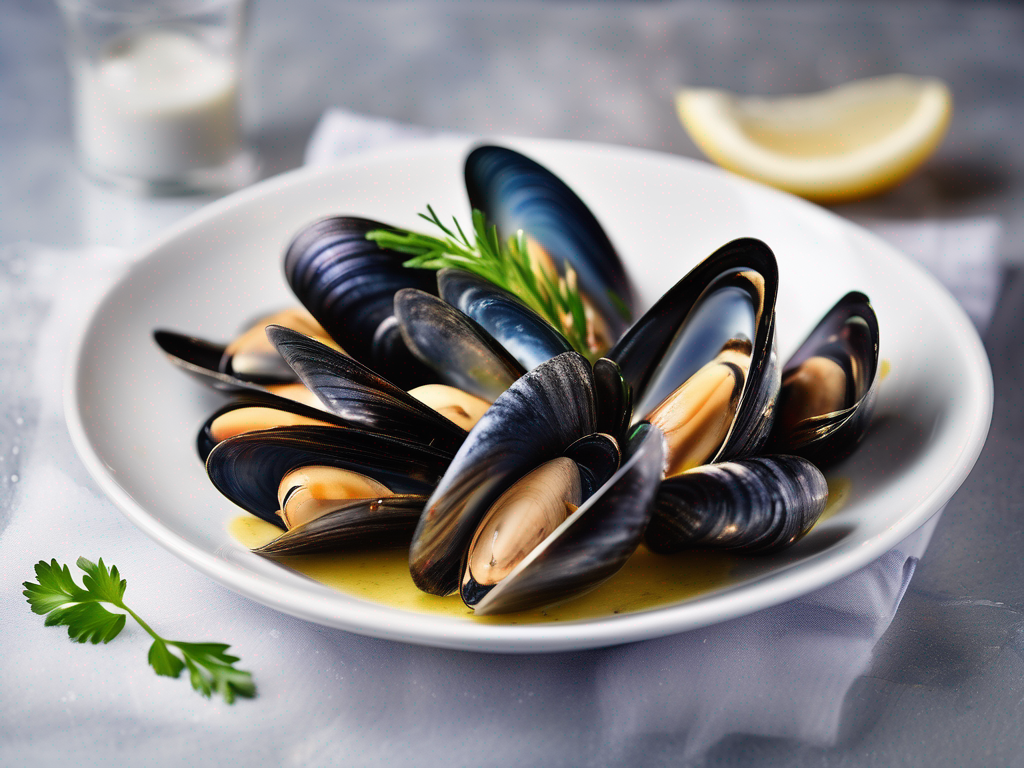
Is it Safe to Eat Fresh Live Mussels? A Guide to Ensuring Safety
Is it Safe to Eat Fresh Live Mussels? A Guide to Ensuring Safety
Mussels are a delicious and nutritious seafood option that many people enjoy. When purchasing fresh live mussels, it's essential to ensure that they are safe to eat. In this guide, we will explore how to determine the freshness and safety of fresh live mussels, as well as provide tips on proper storage and handling. (Mussels fresh live)
How to Choose Fresh Live Mussels
When selecting fresh live mussels, there are several key factors to consider to ensure their quality and safety:
Appearance
- Look for mussels that are tightly closed or ones that close when tapped.
- Avoid mussels that are cracked, broken, or have an unpleasant odor.
Smell
- Fresh live mussels should have a mild, salty sea smell.
- Discard any mussels that have a strong fishy or ammonia-like odor.
Touch
- Mussels should feel heavy for their size and not have any slimy or gritty texture.
- Avoid mussels with broken shells or ones that feel unusually light.
Source
- Purchase mussels from reputable seafood markets or suppliers to ensure they are fresh and handled properly.
- Check for any certifications or labels that indicate sustainable and safe harvesting practices.
Storing Fresh Live Mussels
Proper storage is crucial to maintaining the freshness and safety of live mussels:
Seafood is highly perishable and requires consistent cold storage. A refrigerator thermometer (Amazon) helps ensure your refrigerator maintains safe temperatures (40°F or below) to prevent spoilage.
Refrigeration
- Upon bringing fresh live mussels home, store them in the refrigerator immediately.
- Place the mussels in a bowl or container with a damp cloth on top to keep them moist.
- Do not store mussels in airtight containers or directly on ice, as they need to breathe.
Temperature
- Keep the refrigerator temperature between 32-40°F (0-4°C) to prevent bacterial growth.
- Avoid storing mussels in the freezer, as this can compromise their texture and flavor.
Timing
- Consume live mussels within 1-2 days of purchase for the best quality and safety.
- Check the mussels before cooking by ensuring they are still alive and fresh.
Cooking and Eating Fresh Live Mussels
Once you have confirmed the freshness and safety of fresh live mussels, it's time to prepare and enjoy them:
Cleaning
- Rinse the mussels under cold running water to remove any debris or sand.
- Scrub the shells gently with a brush to clean off any dirt or barnacles.
Cooking
- Cook mussels thoroughly by steaming, boiling, or grilling until the shells open.
- Discard any mussels that do not open after cooking, as they may be unsafe to eat.
Serving
- Serve cooked mussels immediately with your favorite sauces, herbs, or accompaniments.
- Enjoy mussels as a standalone dish or as a flavorful addition to pasta, soups, or salads.
Safety Tips for Handling Live Mussels
To ensure food safety when handling fresh live mussels, consider the following tips:
Cross-Contamination
- Keep mussels separate from other foods to prevent cross-contamination.
- Use separate cutting boards, utensils, and preparation areas for seafood.
Allergies and Sensitivities
- Be aware of any allergies to shellfish and seafood in yourself or your guests.
- Label dishes containing mussels clearly for those with dietary restrictions.
Leftovers
- Store any leftover cooked mussels in the refrigerator for up to 1-2 days.
- Reheat leftovers thoroughly before consuming to ensure they are safe to eat.
Conclusion
In conclusion, fresh live mussels can be a delicious and healthy addition to your meals when handled and prepared correctly. By following the tips outlined in this guide for selecting, storing, cooking, and handling mussels, you can ensure their safety and enjoy their unique flavor. Remember to always prioritize food safety and quality when it comes to seafood consumption.
Proper packaging is crucial when freezing seafood. Using freezer-safe storage bags (Amazon) helps preserve texture, prevent freezer burn, and maintain quality during storage.
For more information on mussels and other food safety topics, visit [mussels fresh live](/food/mussels fresh live). Enjoy your culinary adventures with fresh live mussels and savor the taste of the sea! (Mussels fresh live)
Authoritative Food Safety References
These agencies and university labs inform every tip and health precaution we publish.
USDA FoodKeeper – Cold Storage Guidelines
Official refrigerator, freezer, and pantry timelines maintained by the U.S. Department of Agriculture.
Visit USDA FoodKeeperFDA Produce Safety Rule & Grower Guidance
Field-to-fridge handling practices that prevent contamination of fruits, vegetables, and leafy greens.
Visit FDA Produce SafetyCDC Foodborne Illness Prevention Hub
Surveillance-backed guidance on pathogens, symptoms, and steps to reduce foodborne illness risk.
Visit CDC Food SafetyUC Davis Postharvest Technology Center
University research detailing optimal storage atmospheres for produce after harvest.
Visit UC Davis PostharvestPenn State Extension – Home Food Preservation & Safety
Peer-reviewed extension bulletins on safe canning, chilling, and reheating practices.
Visit Penn State ExtensionDisclosure: As an Amazon Associate, we earn from qualifying purchases. This helps support our site and allows us to continue providing free food safety information.