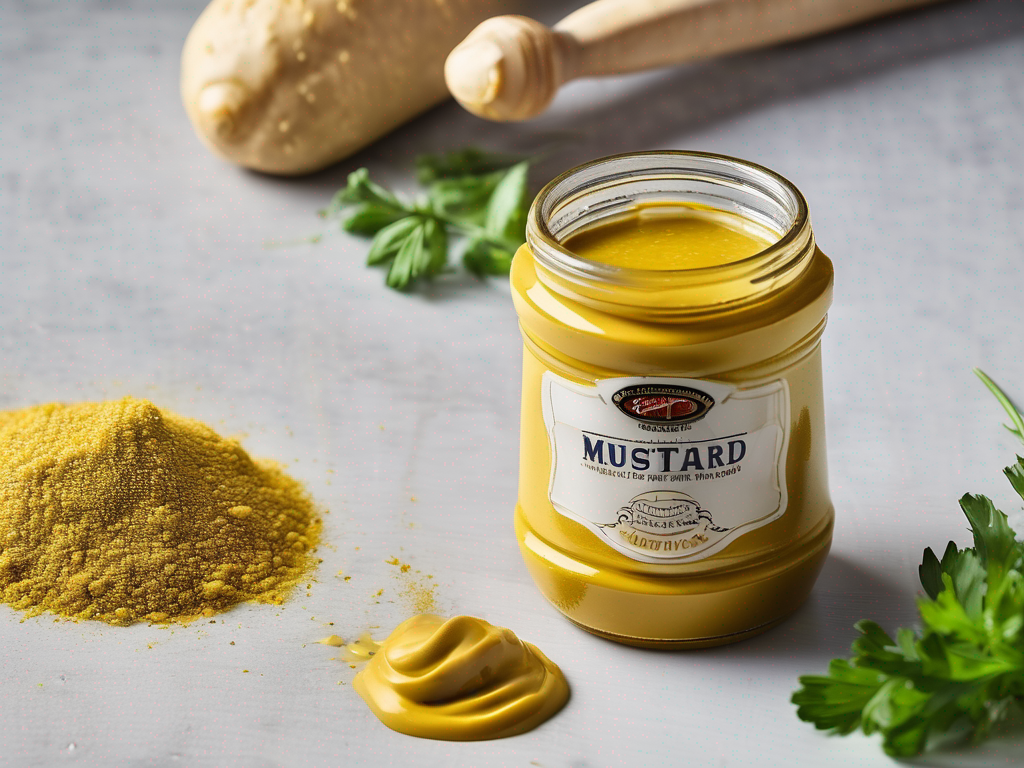
Is Your Dijon Mustard Still Good? A Guide to Checking for Spoilage
Is Your Dijon Mustard Still Good? A Guide to Checking for Spoilage
Dijon mustard is a versatile and flavorful condiment that can add a zing to your favorite dishes. However, like any food product, it can go bad over time. In this comprehensive guide, we will explore how to tell if your Dijon mustard has gone bad and provide you with practical tips on storage and safety. (Dijon mustard)
How Long Does Dijon Mustard Last?
Dijon mustard typically has a shelf life of about 2-3 years when stored properly. However, its quality may deteriorate over time, especially if it is not stored correctly. Here are some signs that your Dijon mustard may have gone bad:
Signs of Spoiled Dijon Mustard
- Unusual Odor: If your Dijon mustard has a sour or off smell, it is likely spoiled.
- Change in Color: If the mustard has darkened significantly or developed mold, it is no longer safe to consume.
- Texture Changes: If the mustard has become excessively watery or chunky, it may have spoiled.
- Taste: If the flavor of the mustard is off or unpleasant, it is best to discard it.
How to Store Dijon Mustard Properly
To extend the shelf life of your Dijon mustard and maintain its quality, follow these storage tips:
Proper cooking temperatures are essential for food safety. An instant-read food thermometer (Amazon) helps ensure meat reaches safe internal temperatures and reduces the risk of foodborne illness.
Storage Tips
- Refrigerate After Opening: Once you open a jar of Dijon mustard, store it in the refrigerator to prolong its freshness.
- Keep it Sealed: Make sure to tightly seal the jar after each use to prevent air and moisture from entering.
- Avoid Heat Exposure: Store the mustard away from direct sunlight and sources of heat to prevent flavor degradation.
- Check the Expiry Date: Always check the expiration date on the packaging and discard any mustard that is past its prime.
Safety Precautions When Handling Dijon Mustard
When using Dijon mustard in your recipes, it is essential to follow proper food safety practices to prevent contamination and ensure your dishes are safe to eat. Here are some safety precautions to keep in mind:
Safety Tips
- Check for Allergens: Be aware of any allergens present in the mustard and inform guests if your dishes contain Dijon mustard to prevent allergic reactions.
- Use Clean Utensils: When scooping out mustard from the jar, use clean utensils to avoid introducing bacteria.
- Avoid Cross-Contamination: Do not double-dip your utensils into the mustard jar after touching other foods to prevent cross-contamination.
- Store Away from Raw Meats: Keep your Dijon mustard away from raw meats and other potentially hazardous foods to prevent foodborne illnesses.
Conclusion
In conclusion, Dijon mustard is a flavorful addition to many dishes, but it is essential to check for signs of spoilage before using it. By following proper storage guidelines and safety precautions, you can enjoy your Dijon mustard safely and deliciously. Remember to trust your senses and discard any mustard that shows signs of spoilage to protect your health. Enjoy your mustard in good health!
For more information on Dijon mustard, check out our [guide to Dijon mustard](/food/dijon mustard). (Dijon mustard)
Refrigerator temperature fluctuations can accelerate spoilage and increase food safety risks. A refrigerator thermometer (Amazon) helps monitor consistent cold storage (40°F or below).
Authoritative Food Safety References
These agencies and university labs inform every tip and health precaution we publish.
USDA FoodKeeper – Cold Storage Guidelines
Official refrigerator, freezer, and pantry timelines maintained by the U.S. Department of Agriculture.
Visit USDA FoodKeeperFDA Produce Safety Rule & Grower Guidance
Field-to-fridge handling practices that prevent contamination of fruits, vegetables, and leafy greens.
Visit FDA Produce SafetyCDC Foodborne Illness Prevention Hub
Surveillance-backed guidance on pathogens, symptoms, and steps to reduce foodborne illness risk.
Visit CDC Food SafetyUC Davis Postharvest Technology Center
University research detailing optimal storage atmospheres for produce after harvest.
Visit UC Davis PostharvestPenn State Extension – Home Food Preservation & Safety
Peer-reviewed extension bulletins on safe canning, chilling, and reheating practices.
Visit Penn State ExtensionDisclosure: As an Amazon Associate, we earn from qualifying purchases. This helps support our site and allows us to continue providing free food safety information.