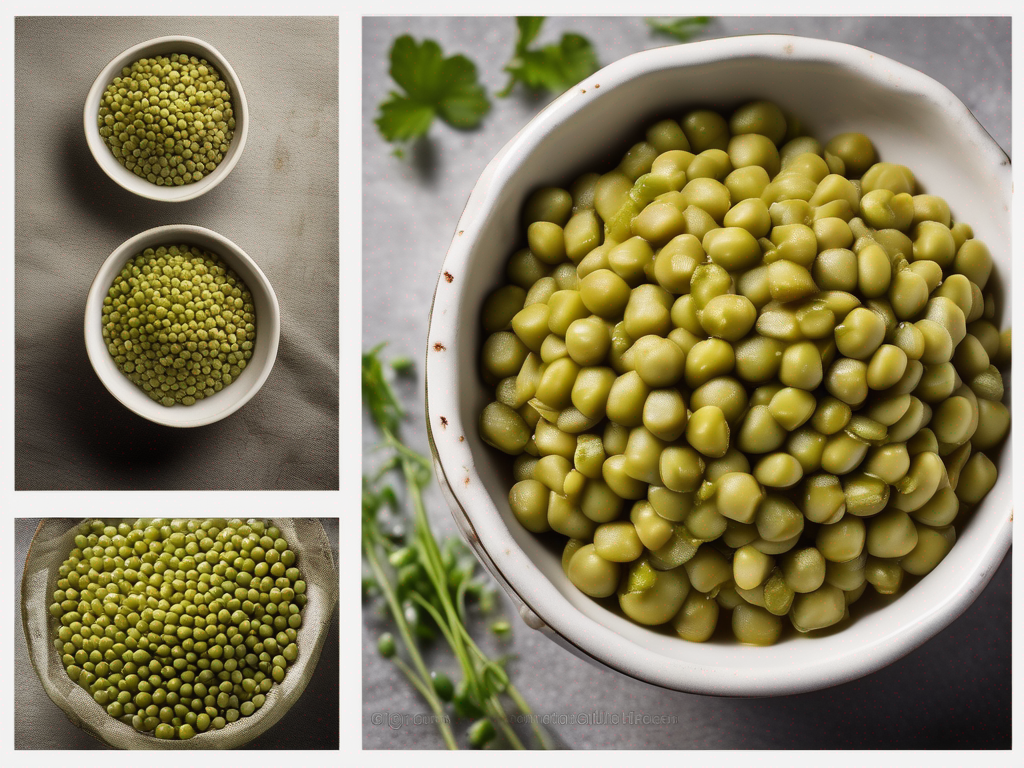
How Can I Tell If My Cooked Split Peas Have Gone Bad?
How Can I Tell If My Cooked Split Peas Have Gone Bad?
Cooked split peas are a nutritious and versatile ingredient that can be used in a variety of dishes, from soups and stews to salads and dips. However, like all foods, cooked split peas can spoil if not stored properly or if left for too long. In this blog post, we will discuss how to tell if your cooked split peas have gone bad and provide some tips on how to store them safely. (Cooked split peas)
Signs that Cooked Split Peas Have Gone Bad
1. Check the Appearance
- Mold: If you see any mold growing on the surface of the cooked split peas, it is a clear sign that they have gone bad.
- Slimy Texture: Cooked split peas should have a firm texture. If they feel slimy or mushy, it is best to discard them.
2. Smell the Split Peas
- Rancid Odor: If the cooked split peas have a sour or rancid smell, it is an indication that they have spoiled.
3. Taste a Small Portion
- Off Flavor: If the cooked split peas taste off or have a strange flavor, it is best to throw them away.
4. Check the Storage Time
- Expiration Date: If the cooked split peas have been stored in the refrigerator for more than 3-4 days, it is advisable to check for signs of spoilage.
Tips for Storing Cooked Split Peas Safely
1. Refrigerate Promptly
- Cool Down Quickly: After cooking, allow the split peas to cool down to room temperature before transferring them to an airtight container and storing them in the refrigerator.
- Label and Date: Always label the container with the date the split peas were cooked to keep track of their freshness.
2. Use Proper Containers
- Airtight Containers: Store cooked split peas in airtight containers to prevent them from absorbing odors from other foods in the refrigerator.
- Freezer Bags: If you plan to store them in the freezer, consider using freezer bags to prevent freezer burn.
3. Follow Proper Hygiene Practices
- Clean Hands and Utensils: Make sure to wash your hands and utensils thoroughly before handling cooked split peas to prevent contamination.
- Avoid Cross-Contamination: Store cooked split peas away from raw meats and other potentially hazardous foods to prevent cross-contamination.
4. Reheat Safely
- Heat Thoroughly: When reheating cooked split peas, make sure to heat them thoroughly to an internal temperature of 165°F (74°C) to kill any bacteria that may have formed during storage.
Conclusion
In conclusion, it is important to pay attention to the signs of spoilage when determining if your cooked split peas have gone bad. By following proper storage practices and using your senses to assess the quality of the split peas, you can enjoy this nutritious legume safely. Remember to refrigerate promptly, use proper containers, follow good hygiene practices, and reheat cooked split peas thoroughly to ensure their safety and quality. By taking these precautions, you can enjoy delicious dishes made with cooked split peas without any worries about food safety. [Cooked split peas](/food/cooked split peas) are a healthy and delicious ingredient that can add flavor and nutrition to your meals, so make sure to store them properly to enjoy them at their best. (Cooked split peas)
Authoritative Food Safety References
These agencies and university labs inform every tip and health precaution we publish.
USDA FoodKeeper – Cold Storage Guidelines
Official refrigerator, freezer, and pantry timelines maintained by the U.S. Department of Agriculture.
Visit USDA FoodKeeperFDA Produce Safety Rule & Grower Guidance
Field-to-fridge handling practices that prevent contamination of fruits, vegetables, and leafy greens.
Visit FDA Produce SafetyCDC Foodborne Illness Prevention Hub
Surveillance-backed guidance on pathogens, symptoms, and steps to reduce foodborne illness risk.
Visit CDC Food SafetyUC Davis Postharvest Technology Center
University research detailing optimal storage atmospheres for produce after harvest.
Visit UC Davis PostharvestPenn State Extension – Home Food Preservation & Safety
Peer-reviewed extension bulletins on safe canning, chilling, and reheating practices.
Visit Penn State ExtensionDisclosure: As an Amazon Associate, we earn from qualifying purchases. This helps support our site and allows us to continue providing free food safety information.