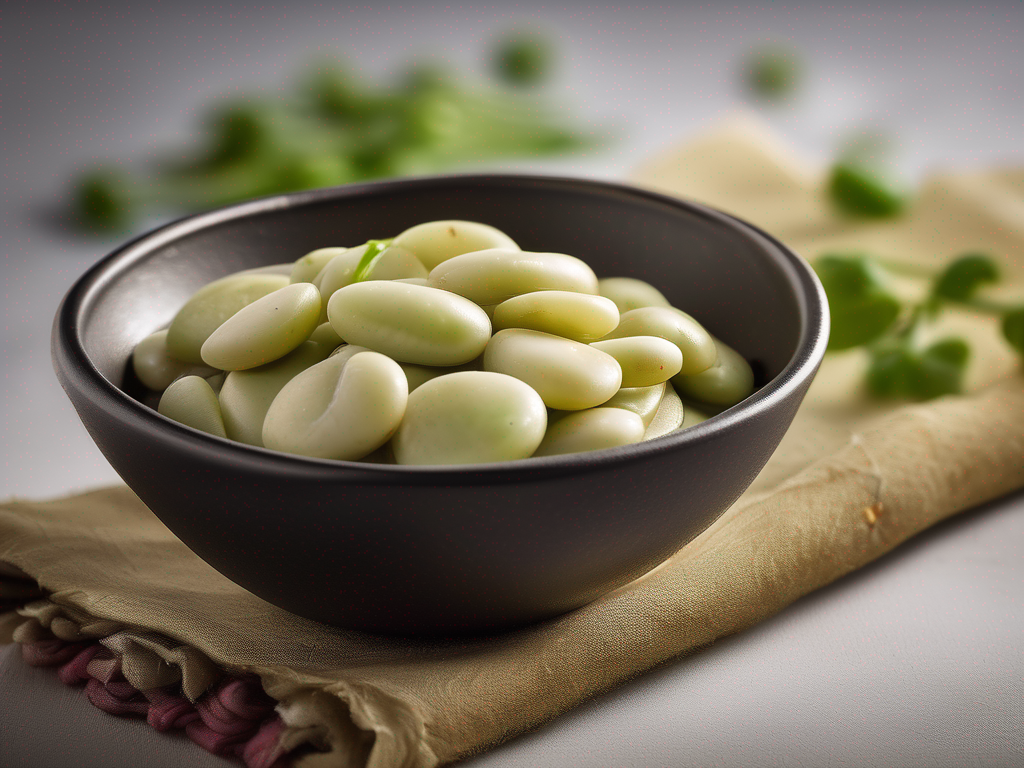
How to Tell if Your Cooked Lima Beans Have Gone Bad
How to Tell if Your Cooked Lima Beans Have Gone Bad
When it comes to food safety, it's essential to know when your cooked Lima beans may have gone bad. Lima beans are a nutritious and versatile legume, but improper storage or handling can lead to spoilage. In this guide, we'll explore how to identify signs of spoilage in cooked Lima beans and provide tips on how to store them properly to ensure food safety. (Cooked lima beans)
Signs of Spoiled Cooked Lima Beans
Cooked Lima beans can spoil if not stored correctly or if they are past their prime. Here are some signs that your cooked Lima beans may have gone bad:
1. Unpleasant Odor
- Spoiled Lima beans may emit a foul or sour smell.
2. Mold Growth
- Visible mold on the surface of the beans indicates spoilage and should be discarded.
3. Slimy Texture
- If the cooked Lima beans feel slimy or sticky to the touch, they are likely spoiled.
4. Off-Color
- Discoloration or a change in color from creamy to darker tones can signify spoilage.
5. Taste
- If the beans taste off or have a rancid flavor, they should not be consumed.
Proper Storage of Cooked Lima Beans
To prevent cooked Lima beans from spoiling prematurely, it's crucial to store them properly. Here are some tips for storing cooked Lima beans:
Dairy products require consistent cold storage to prevent spoilage and bacterial growth. A refrigerator thermometer (Amazon) helps ensure your refrigerator maintains safe temperatures (40°F or below).
1. Refrigeration
- Store cooked Lima beans in an airtight container or resealable bag in the refrigerator.
- Consume within 3-4 days for optimal freshness.
2. Freezing
- Cooked Lima beans can be frozen for longer-term storage.
- Place them in a freezer-safe container or bag, removing excess air to prevent freezer burn.
- Thaw in the refrigerator before reheating.
3. Labeling
- Label containers with the date to track freshness and ensure timely consumption.
4. Avoid Cross-Contamination
- Store cooked Lima beans away from raw meats and other potentially contaminated foods to prevent cross-contamination.
5. Proper Handling
- Always use clean utensils and wash hands before handling cooked Lima beans to reduce the risk of contamination.
Conclusion
By knowing the signs of spoilage in cooked Lima beans and following proper storage practices, you can enjoy this nutritious legume safely. Remember to trust your senses when determining if cooked Lima beans have gone bad and prioritize food safety in your kitchen. Proper storage, refrigeration, labeling, and handling are key to maintaining the quality and freshness of your cooked Lima beans. Enjoy your beans while ensuring they are safe to eat!
For more information on [cooked lima beans](/food/cooked lima beans), check out our comprehensive guide. Stay safe and enjoy your delicious Lima beans! (Cooked lima beans)
Authoritative Food Safety References
These agencies and university labs inform every tip and health precaution we publish.
USDA FoodKeeper – Cold Storage Guidelines
Official refrigerator, freezer, and pantry timelines maintained by the U.S. Department of Agriculture.
Visit USDA FoodKeeperFDA Produce Safety Rule & Grower Guidance
Field-to-fridge handling practices that prevent contamination of fruits, vegetables, and leafy greens.
Visit FDA Produce SafetyCDC Foodborne Illness Prevention Hub
Surveillance-backed guidance on pathogens, symptoms, and steps to reduce foodborne illness risk.
Visit CDC Food SafetyUC Davis Postharvest Technology Center
University research detailing optimal storage atmospheres for produce after harvest.
Visit UC Davis PostharvestPenn State Extension – Home Food Preservation & Safety
Peer-reviewed extension bulletins on safe canning, chilling, and reheating practices.
Visit Penn State ExtensionDisclosure: As an Amazon Associate, we earn from qualifying purchases. This helps support our site and allows us to continue providing free food safety information.