Is Your Baking Powder Still Good to Use?
Is Your Baking Powder Still Good to Use?
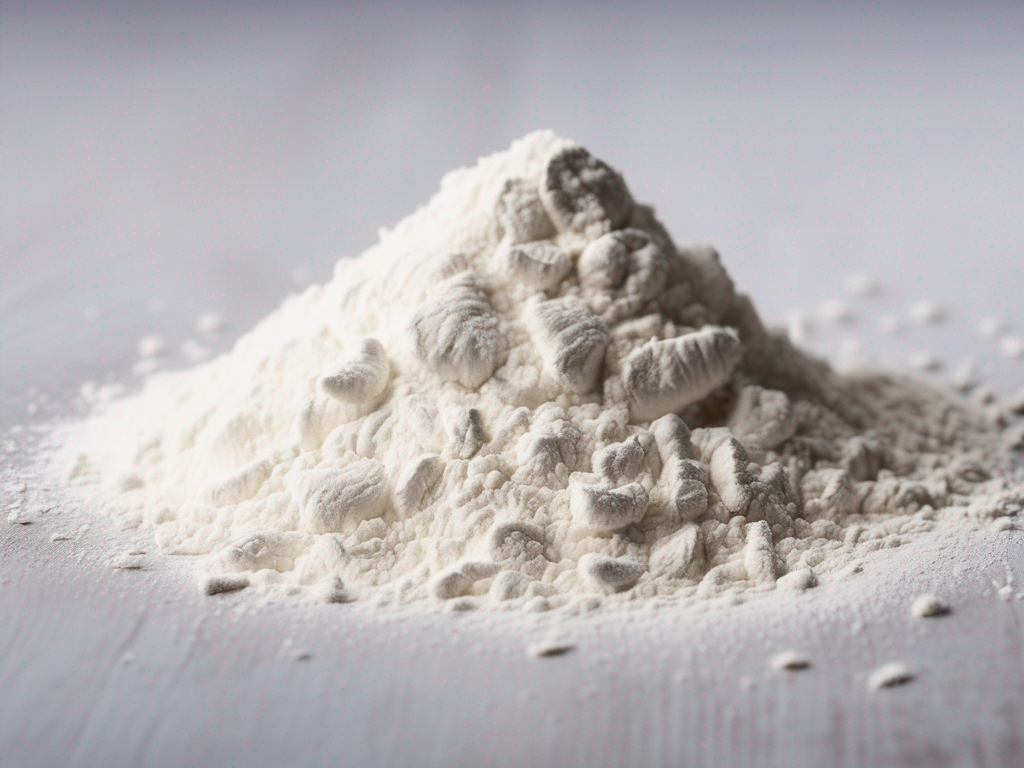
Have you ever been in the middle of baking your favorite cake or muffins, only to realize that your baked goods didn't rise as they should have? One of the possible culprits for this could be expired or ineffective baking powder. Baking powder is a key ingredient in many baked goods, as it helps them rise and achieve that fluffy texture we all love. In this blog post, we will discuss how you can tell if your baking powder is still good to use, and provide you with some practical tips to ensure your baked goods turn out perfectly every time. (Baking powder)
How Does Baking Powder Work?
Before we dive into determining the freshness of your baking powder, let's first understand how it works. Baking powder is a leavening agent that helps baked goods rise by releasing carbon dioxide gas when it comes into contact with moisture and heat. This reaction causes the batter or dough to expand, resulting in a light and fluffy texture.
Baking powder typically consists of three key components:
- Baking Soda: Helps create the initial rise.
- Acid: Activates the baking soda to release carbon dioxide.
- Cornstarch: Absorbs any moisture and prevents the baking powder from reacting prematurely.
Signs of Expired Baking Powder
Over time, baking powder can lose its effectiveness, leading to flat and dense baked goods. Here are some signs that your baking powder may be expired or no longer suitable for use:
1. Check the Expiration Date
- Baking powder typically has a shelf life of about 6 months to 1 year.
- If your baking powder is past its expiration date, it's best to replace it with a fresh batch.
2. Perform the Test
You can perform a simple test to check the potency of your baking powder:
- Mix 1 teaspoon of baking powder with 1/3 cup of hot water.
- Look for immediate fizzing and bubbling.
- If there is no reaction or minimal fizzing, your baking powder may be expired.
3. Visual Inspection
- Check for any clumps or discoloration in the baking powder.
- If you notice any lumps or a change in color, it's best to discard the baking powder.
4. Smell Test
- Fresh baking powder should have a neutral odor.
- If your baking powder smells off or has a stale odor, it's time to replace it.
Proper Storage Tips for Baking Powder
To ensure the longevity and effectiveness of your baking powder, it's essential to store it correctly. Here are some tips for proper storage:
1. Keep it in a Cool, Dry Place
- Store your baking powder in a cool, dry pantry away from heat and humidity.
- Avoid storing it near the stove or other heat sources.
2. Seal it Tightly
- Keep your baking powder in an airtight container to prevent moisture from entering.
- Make sure the lid is securely closed after each use.
3. Avoid Contamination
- Use a clean, dry measuring spoon when scooping out baking powder.
- Do not directly sprinkle baking powder from the container into a wet mixture to prevent contamination.
Conclusion
In conclusion, ensuring the freshness and effectiveness of your baking powder is crucial for achieving light and fluffy baked goods. By following the tips mentioned in this blog post and conducting simple tests, you can determine if your baking powder is still good to use or if it's time to replace it with a new batch. Remember to store your baking powder properly in a cool, dry place to extend its shelf life and maintain its leavening power. Happy baking!
Remember, for all your baking needs, make sure to check out our [baking powder](/food/baking powder) guide for more information. (Baking powder)

Authoritative Food Safety References
These agencies and university labs inform every tip and health precaution we publish.
USDA FoodKeeper – Cold Storage Guidelines
Official refrigerator, freezer, and pantry timelines maintained by the U.S. Department of Agriculture.
Visit USDA FoodKeeperFDA Produce Safety Rule & Grower Guidance
Field-to-fridge handling practices that prevent contamination of fruits, vegetables, and leafy greens.
Visit FDA Produce SafetyCDC Foodborne Illness Prevention Hub
Surveillance-backed guidance on pathogens, symptoms, and steps to reduce foodborne illness risk.
Visit CDC Food SafetyUC Davis Postharvest Technology Center
University research detailing optimal storage atmospheres for produce after harvest.
Visit UC Davis PostharvestPenn State Extension – Home Food Preservation & Safety
Peer-reviewed extension bulletins on safe canning, chilling, and reheating practices.
Visit Penn State Extension