The Ultimate Guide to Properly Storing Bone Marrow
The Ultimate Guide to Properly Storing Bone Marrow
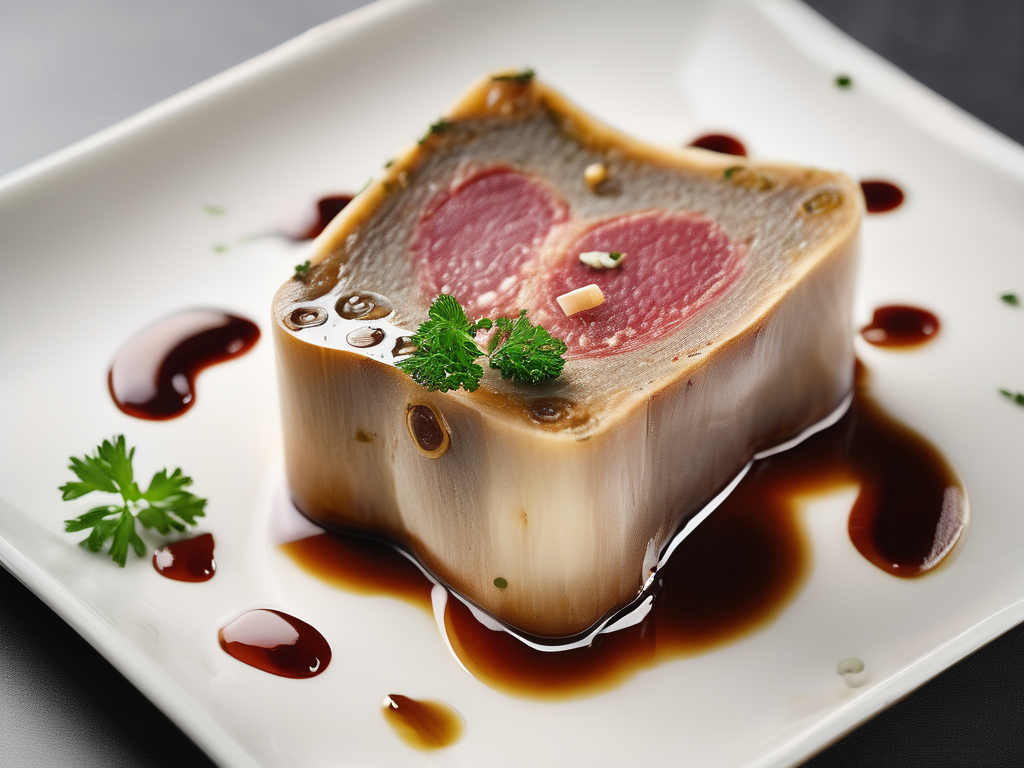
Bone marrow is a prized delicacy known for its rich and savory flavor. Whether you have sourced bone marrow from a butcher or cooked a delicious bone marrow dish at home, proper storage is essential to maintain its quality and prevent spoilage. In this comprehensive guide, we will delve into the best practices for storing bone marrow to ensure it stays fresh and safe for consumption. (Bone marrow)
Understanding Bone Marrow
Before we dive into storage tips, let's first understand what bone marrow is. [Bone marrow](/food/bone marrow) is the soft, fatty tissue found inside the bones of animals, typically beef or veal. It is highly nutritious and prized for its rich flavor profile, making it a popular ingredient in various cuisines around the world.
Why Proper Storage Matters
Properly storing bone marrow is crucial for several reasons:
Proper cooking temperatures are essential for food safety. An instant-read food thermometer (Amazon) helps ensure meat reaches safe internal temperatures and reduces the risk of foodborne illness.
- Preserving Freshness: Storing bone marrow correctly helps maintain its freshness and flavor.
- Preventing Spoilage: Improper storage can lead to bacterial growth and spoilage, potentially causing foodborne illnesses.
- Minimizing Waste: By storing bone marrow properly, you can extend its shelf life and avoid unnecessary waste.
Now, let's explore the best practices for storing bone marrow effectively.
Storing Fresh Bone Marrow
When you purchase or prepare fresh bone marrow, follow these guidelines to store it properly:
1. Refrigeration
- Place the bone marrow in an airtight container or wrap it tightly in plastic wrap.
- Store it in the coldest part of the refrigerator, typically the back of the bottom shelf.
- Use the bone marrow within 2-3 days for optimal freshness.
2. Freezing
- If you don't plan to use the bone marrow within a few days, consider freezing it for longer storage.
- Wrap the bone marrow tightly in plastic wrap or aluminum foil, ensuring it is well-sealed.
- Place the wrapped bone marrow in a freezer-safe container or resealable plastic bag.
- Label the container with the date to track its freshness.
- Frozen bone marrow can be stored for up to 6 months.
3. Proper Thawing
- When ready to use frozen bone marrow, transfer it to the refrigerator to thaw slowly. Avoid thawing at room temperature to prevent bacterial growth.
- Once thawed, use the bone marrow within 1-2 days for the best quality.
Safety Tips for Storing Bone Marrow
Ensuring the safety of stored bone marrow is paramount to prevent foodborne illnesses. Here are some essential safety tips to keep in mind:
Refrigerator temperature fluctuations can accelerate spoilage and increase food safety risks. A refrigerator thermometer (Amazon) helps monitor consistent cold storage (40°F or below).
1. Temperature Control
- Maintain a refrigerator temperature below 40°F (4°C) to prevent bacterial growth.
- Freezer temperature should be 0°F (-18°C) or lower for optimal storage.
2. Hygiene Practices
- Wash your hands thoroughly before handling bone marrow.
- Use clean utensils and containers to store bone marrow.
- Avoid cross-contamination by keeping raw bone marrow separate from ready-to-eat foods.
3. Quality Check
- Before using bone marrow, inspect it for any signs of spoilage such as off smells, sliminess, or discoloration.
- If in doubt, discard the bone marrow to avoid the risk of foodborne illness.
Conclusion
Properly storing bone marrow is essential to maintain its quality, flavor, and safety for consumption. By following the guidelines outlined in this guide, you can ensure that your bone marrow stays fresh and delicious for your culinary creations. Whether refrigerating fresh bone marrow or freezing it for longer storage, attention to proper storage practices will help you make the most of this prized ingredient. Remember to prioritize safety, hygiene, and quality when handling and storing bone marrow to enjoy it to the fullest. (Bone marrow)
Authoritative Food Safety References
These agencies and university labs inform every tip and health precaution we publish.
USDA FoodKeeper – Cold Storage Guidelines
Official refrigerator, freezer, and pantry timelines maintained by the U.S. Department of Agriculture.
Visit USDA FoodKeeperFDA Produce Safety Rule & Grower Guidance
Field-to-fridge handling practices that prevent contamination of fruits, vegetables, and leafy greens.
Visit FDA Produce SafetyCDC Foodborne Illness Prevention Hub
Surveillance-backed guidance on pathogens, symptoms, and steps to reduce foodborne illness risk.
Visit CDC Food SafetyUC Davis Postharvest Technology Center
University research detailing optimal storage atmospheres for produce after harvest.
Visit UC Davis PostharvestPenn State Extension – Home Food Preservation & Safety
Peer-reviewed extension bulletins on safe canning, chilling, and reheating practices.
Visit Penn State ExtensionFrequently Asked Questions
Can bone marrow be frozen for later use?
How should bone marrow be reheated after storage?
Can bone marrow be refrozen after it has been thawed?
How can I tell if bone marrow has gone bad?
Disclosure: As an Amazon Associate, we earn from qualifying purchases. This helps support our site and allows us to continue providing free food safety information.