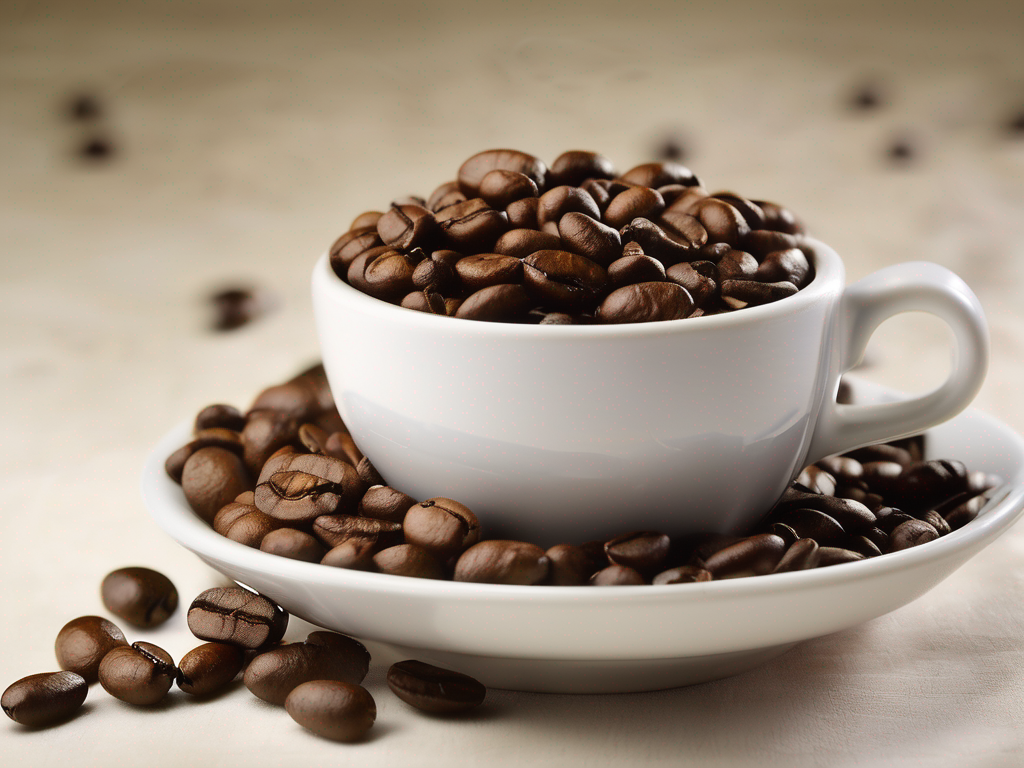
How to Prevent Coffee Beans from Going Stale
How to Prevent Coffee Beans from Going Stale
As coffee lovers, we all know the disappointment of brewing a cup of coffee only to find that the flavor is dull and lackluster. One of the main culprits behind this issue is stale coffee beans. Coffee beans can quickly lose their freshness and flavor if not stored properly. In this post, we will discuss some practical tips on how to prevent your coffee beans from going stale, ensuring that every cup you brew is rich, flavorful, and aromatic. (Coffee beans)
Understanding the Culprits of Stale Coffee Beans
Before diving into the tips on how to prevent coffee beans from going stale, let's first understand why coffee beans lose their freshness.
Factors that contribute to coffee beans going stale:
- Exposure to Air: When coffee beans are exposed to air, they can oxidize, leading to a loss of flavor and aroma.
- Moisture: Moisture can cause coffee beans to deteriorate quickly, impacting their taste and quality.
- Light: Exposure to light can also accelerate the staling process of coffee beans.
- Heat: High temperatures can speed up the breakdown of coffee beans, causing them to lose their freshness faster.
Now that we understand the factors that contribute to stale coffee beans, let's explore some practical tips on how to prevent this from happening.
Tips for Preventing Coffee Beans from Going Stale
1. Store Coffee Beans in an Airtight Container
- Use airtight containers to store your coffee beans to prevent exposure to air, which can cause oxidation.
- Opt for containers with one-way valves that allow carbon dioxide to escape without letting air in.
2. Keep Coffee Beans in a Cool, Dark Place
- Store your coffee beans away from heat sources and direct sunlight.
- Choose a cool, dark place such as a pantry or cabinet to maintain the freshness of the beans.
3. Avoid Moisture
- Keep coffee beans away from moisture to prevent them from becoming damp and losing their flavor.
- Do not store coffee beans in the refrigerator or freezer, as moisture can degrade the quality of the beans.
4. Buy Fresh, Whole Beans
- Purchase coffee beans in small quantities to ensure freshness.
- Opt for whole beans over pre-ground coffee, as whole beans retain their flavor and aroma for a longer period.
5. Grind Coffee Beans Right Before Brewing
- To preserve the freshness of your coffee beans, grind them just before brewing.
- Ground coffee loses its flavor faster than whole beans, so grinding on-demand ensures a flavorful cup of coffee.
By following these tips, you can prolong the freshness of your coffee beans and enjoy delicious, aromatic coffee with every brew.
Conclusion
Ensuring the freshness of your coffee beans is essential for a flavorful and aromatic cup of coffee. By storing your coffee beans properly in airtight containers, away from light, heat, and moisture, you can prevent them from going stale. Remember to buy fresh, whole beans and grind them just before brewing to experience the full flavor and aroma of your favorite coffee beans. Start implementing these tips today and savor the rich taste of freshly brewed coffee every time.
For more information on [coffee beans](/food/coffee beans) and other food storage tips, visit our blog regularly. Happy brewing! (Coffee beans)
Authoritative Food Safety References
These agencies and university labs inform every tip and health precaution we publish.
USDA FoodKeeper – Cold Storage Guidelines
Official refrigerator, freezer, and pantry timelines maintained by the U.S. Department of Agriculture.
Visit USDA FoodKeeperFDA Produce Safety Rule & Grower Guidance
Field-to-fridge handling practices that prevent contamination of fruits, vegetables, and leafy greens.
Visit FDA Produce SafetyCDC Foodborne Illness Prevention Hub
Surveillance-backed guidance on pathogens, symptoms, and steps to reduce foodborne illness risk.
Visit CDC Food SafetyUC Davis Postharvest Technology Center
University research detailing optimal storage atmospheres for produce after harvest.
Visit UC Davis PostharvestPenn State Extension – Home Food Preservation & Safety
Peer-reviewed extension bulletins on safe canning, chilling, and reheating practices.
Visit Penn State Extension