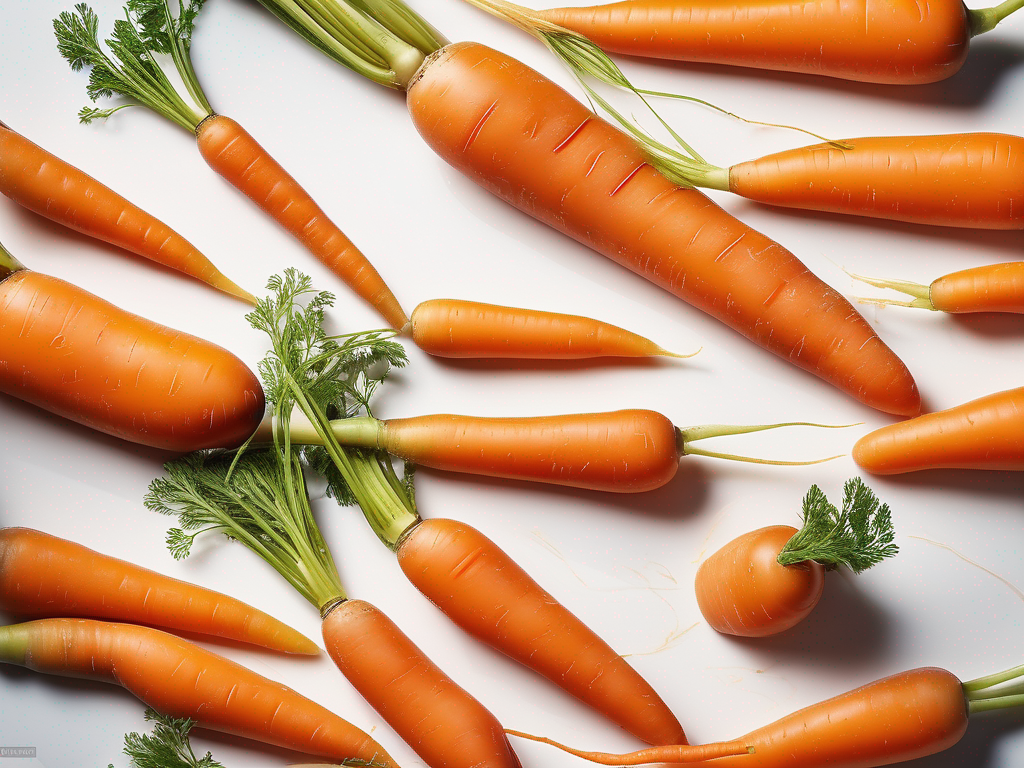
Preserving the Freshness of Chopped Carrots: Tips for Proper Storage
Preserving the Freshness of Chopped Carrots: Tips for Proper Storage
Carrots are not only delicious and versatile but also packed with essential nutrients like beta carotene, fiber, and vitamins. Whether you enjoy them raw in salads, cooked in soups, or as a snack, keeping chopped carrots fresh is essential to maintain their flavor and nutritional value. In this article, we will discuss effective ways to preserve the freshness of chopped carrots for longer periods. (Carrots)
Understanding the Importance of Proper Carrot Storage
Proper storage is crucial to maintain the freshness and quality of chopped carrots. When exposed to air, moisture, and light, carrots can quickly lose their crispness and nutrients. By following the right storage techniques, you can extend the shelf life of chopped carrots and minimize food waste.
Factors Affecting Carrot Freshness
Before diving into storage methods, it's essential to understand the factors that can impact the freshness of chopped carrots:
- Moisture: Excess moisture can cause carrots to become soft and moldy.
- Air Exposure: Oxygen exposure can lead to oxidation, causing carrots to become limp and lose their vibrant color.
- Temperature: Carrots should be stored at the proper temperature to prevent spoilage.
- Light: Light can accelerate the degradation of nutrients in carrots.
Tips for Preserving Chopped Carrots Freshness
To ensure your chopped carrots stay fresh and flavorful, consider the following storage tips:
1. Properly Wash and Dry Carrots
Before chopping your carrots, make sure to wash them thoroughly under running water to remove any dirt or debris. Pat them dry with a clean towel to remove excess moisture, as wet carrots can spoil faster.
2. Store in an Airtight Container
After chopping the carrots, transfer them to an airtight container to minimize exposure to air. Choose a container that is just the right size to reduce excess oxygen around the carrots.
3. Use Moisture-Absorbent Material
To prevent moisture buildup, place a paper towel at the bottom of the container before adding the chopped carrots. The paper towel will help absorb excess moisture and keep the carrots crisp.
4. Keep Carrots Refrigerated
Chopped carrots should be stored in the refrigerator to maintain freshness. Ideally, store them in the crisper drawer, where the temperature is slightly higher than the rest of the fridge.
5. Avoid Freezing Chopped Carrots
While you can freeze whole carrots, chopped carrots are best enjoyed fresh. Freezing can change the texture of chopped carrots, making them mushy when thawed.
Safety Tips for Handling Chopped Carrots
Ensuring food safety is paramount when handling and storing chopped carrots. Follow these safety tips to minimize the risk of contamination:
- Always wash your hands before and after handling chopped carrots.
- Use separate cutting boards and utensils for chopping carrots to prevent cross-contamination.
- Check for any signs of spoilage, such as mold or an off smell, before consuming chopped carrots.
Conclusion
By following these tips for storing chopped carrots, you can prolong their freshness and enjoy their flavor and nutritional benefits for longer. Remember to check the carrots regularly for any signs of spoilage and discard any that appear off. Proper storage not only maintains the quality of chopped carrots but also reduces food waste, making your meals healthier and more sustainable. Enjoy your fresh and crunchy chopped carrots in salads, stir-fries, or as a nutritious snack!
Remember, for more information about carrots, visit our main page. (Carrots)
Authoritative Food Safety References
These agencies and university labs inform every tip and health precaution we publish.
USDA FoodKeeper – Cold Storage Guidelines
Official refrigerator, freezer, and pantry timelines maintained by the U.S. Department of Agriculture.
Visit USDA FoodKeeperFDA Produce Safety Rule & Grower Guidance
Field-to-fridge handling practices that prevent contamination of fruits, vegetables, and leafy greens.
Visit FDA Produce SafetyCDC Foodborne Illness Prevention Hub
Surveillance-backed guidance on pathogens, symptoms, and steps to reduce foodborne illness risk.
Visit CDC Food SafetyUC Davis Postharvest Technology Center
University research detailing optimal storage atmospheres for produce after harvest.
Visit UC Davis PostharvestPenn State Extension – Home Food Preservation & Safety
Peer-reviewed extension bulletins on safe canning, chilling, and reheating practices.
Visit Penn State Extension