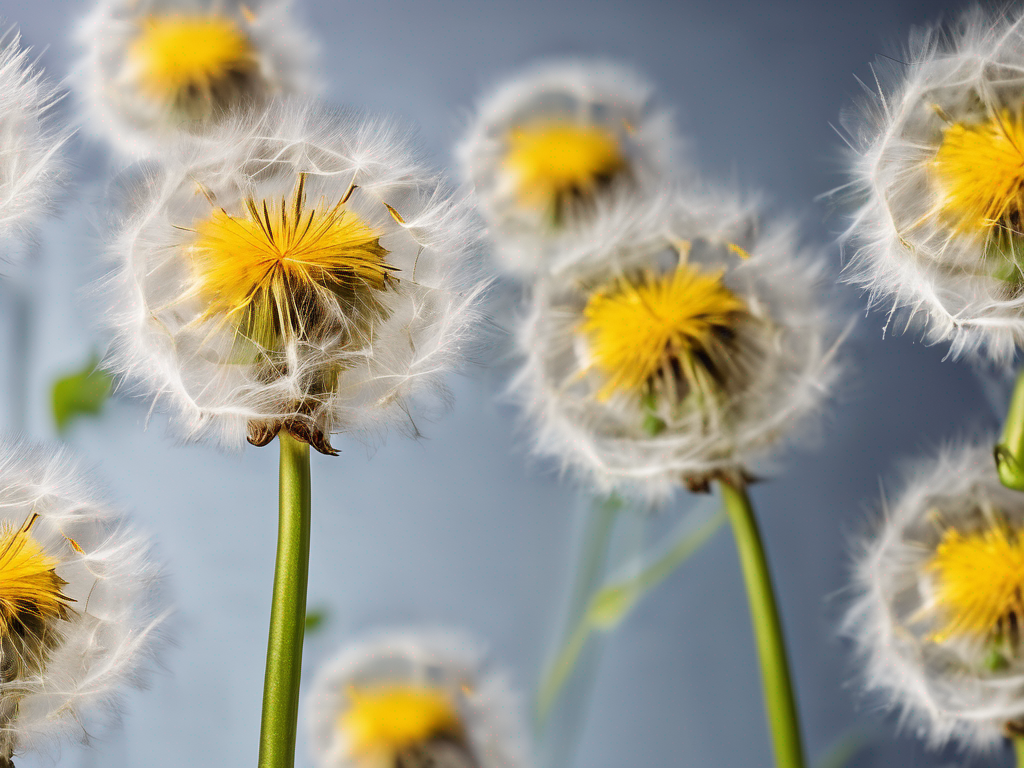
Preserving Fresh Dandelion for Future Use
Preserving Fresh Dandelion for Future Use
Dandelion is not just a pesky weed in your garden; it is also a highly nutritious and versatile green that can be enjoyed in various culinary dishes. Whether you forage for dandelion greens or purchase them from a local market, knowing how to properly preserve them for future use can ensure that you have a fresh supply on hand whenever you need it. In this guide, we will explore different methods for preserving fresh dandelion to extend its shelf life and retain its nutritional value. (Dandelion)
Why Preserve Fresh Dandelion?
Dandelion greens are rich in vitamins A, C, and K, as well as minerals like iron and calcium. They also contain antioxidants and have been traditionally used for their medicinal properties. By preserving fresh dandelion, you can enjoy these nutritional benefits throughout the year, even when the greens are not in season.
Harvesting Fresh Dandelion
Before you can preserve dandelion greens, you need to harvest them properly. Here are some tips for harvesting fresh dandelion:
- Choose young and tender leaves: Select dandelion greens that are young and tender, as they will have a milder flavor.
- Harvest in the morning: Dandelion greens are best harvested in the morning when they are crisp and full of nutrients.
- Avoid areas with pesticides: Make sure to harvest dandelion greens from areas that are free from pesticides and other contaminants.
Once you have harvested the dandelion greens, it's time to preserve them for future use.
Methods for Preserving Fresh Dandelion
There are several methods you can use to preserve fresh dandelion, depending on how you plan to use them. Here are some popular preservation techniques:
Freezing Fresh Dandelion
Freezing is a convenient way to preserve fresh dandelion greens while retaining their color and texture. Here's how you can freeze dandelion greens:
- Wash and dry the greens: Thoroughly wash the dandelion greens to remove any dirt or debris. Pat them dry with a clean kitchen towel.
- Blanch the greens: Bring a pot of water to a boil and blanch the dandelion greens for 1-2 minutes. Quickly transfer them to a bowl of ice water to stop the cooking process.
- Drain and pack: Drain the greens and pack them into airtight containers or resealable bags. Label the containers with the date and store them in the freezer.
Drying Fresh Dandelion
Drying dandelion greens is another popular preservation method that allows you to enjoy them in soups, stews, and teas. Here's how you can dry dandelion greens:
- Wash and dry the greens: Wash the dandelion greens and pat them dry with a clean kitchen towel.
- Air dry or use a dehydrator: You can air dry the greens by hanging them upside down in a well-ventilated area, or use a dehydrator set to a low temperature.
- Store in airtight containers: Once the greens are completely dry and crispy, store them in airtight containers away from light and moisture.
Pickling Fresh Dandelion
Pickling is a great way to add flavor and tanginess to dandelion greens. Here's how you can pickle fresh dandelion:
- Prepare the pickling solution: In a saucepan, combine vinegar, water, salt, sugar, and your choice of herbs and spices. Bring the mixture to a boil and simmer until the sugar and salt are dissolved.
- Pack the greens: Pack clean dandelion greens into sterilized jars and pour the hot pickling solution over them, leaving some headspace.
- Seal and store: Seal the jars with lids and store them in the refrigerator for at least a week before consuming.
Safety Tips for Preserving Dandelion
When preserving fresh dandelion greens, it's important to follow safety guidelines to prevent foodborne illnesses and spoilage. Here are some safety tips to keep in mind:
- Wash thoroughly: Always wash dandelion greens thoroughly to remove dirt, pesticides, and bacteria.
- Use clean utensils: Use clean utensils and containers when handling and storing dandelion greens.
- Label and date: Label all containers with the date of preservation to track freshness.
- Store properly: Store preserved dandelion greens in the freezer, pantry, or refrigerator according to the preservation method used.
- Discard if in doubt: If dandelion greens show signs of spoilage, such as mold or off-odors, discard them immediately.
Conclusion
Preserving fresh dandelion greens allows you to enjoy this nutritious ingredient year-round and experiment with new culinary creations. Whether you choose to freeze, dry, or pickle dandelion greens, following proper preservation methods and safety guidelines is essential for maintaining their quality and flavor. With these tips in mind, you can make the most of dandelion greens and elevate your dishes with their unique taste and nutritional benefits. Enjoy the goodness of dandelion in your meals by preserving them effectively for future use. Learn more about dandelion here. (Dandelion)
Authoritative Food Safety References
These agencies and university labs inform every tip and health precaution we publish.
USDA FoodKeeper – Cold Storage Guidelines
Official refrigerator, freezer, and pantry timelines maintained by the U.S. Department of Agriculture.
Visit USDA FoodKeeperFDA Produce Safety Rule & Grower Guidance
Field-to-fridge handling practices that prevent contamination of fruits, vegetables, and leafy greens.
Visit FDA Produce SafetyCDC Foodborne Illness Prevention Hub
Surveillance-backed guidance on pathogens, symptoms, and steps to reduce foodborne illness risk.
Visit CDC Food SafetyUC Davis Postharvest Technology Center
University research detailing optimal storage atmospheres for produce after harvest.
Visit UC Davis PostharvestPenn State Extension – Home Food Preservation & Safety
Peer-reviewed extension bulletins on safe canning, chilling, and reheating practices.
Visit Penn State Extension