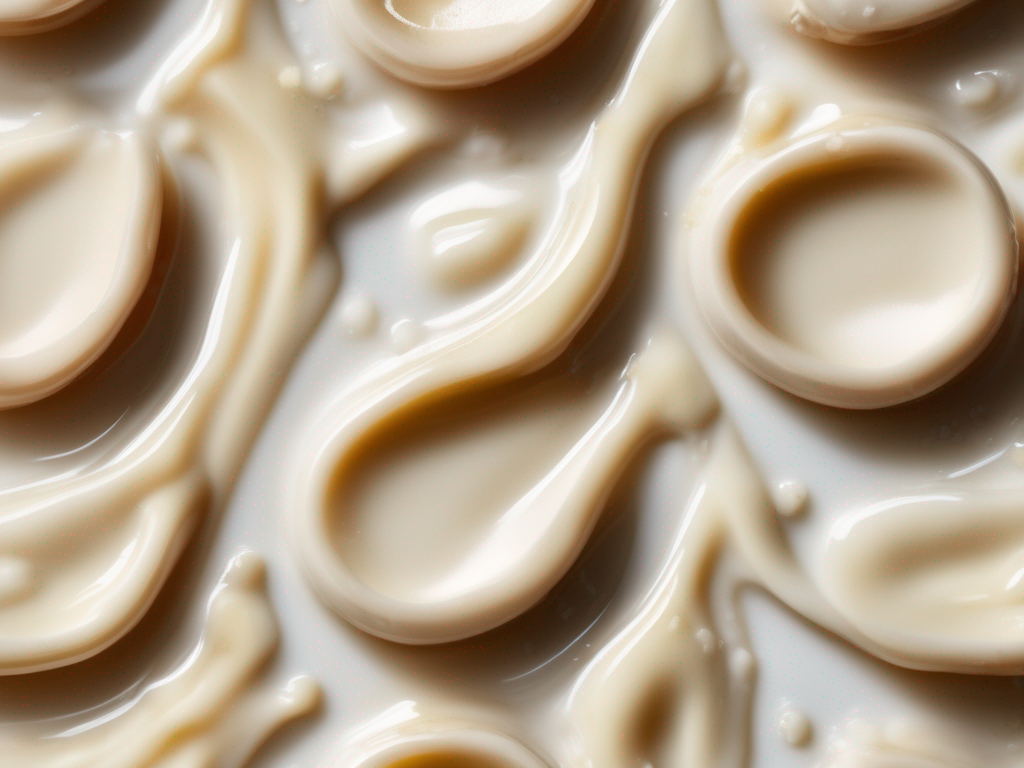
Preserving Evaporated Milk: Tips for Extended Shelf Life
Preserving Evaporated Milk: Tips for Extended Shelf Life
Evaporated milk is a versatile ingredient that can be used in a variety of recipes, from creamy sauces and soups to decadent desserts. However, once opened, it is important to store it properly to maintain its quality and safety. In this blog post, we will explore the best practices for preserving evaporated milk for an extended period of time. (Evaporated milk)
Understanding Evaporated Milk
Evaporated milk is a shelf-stable dairy product made by heating milk to remove about 60% of its water content. This process gives it a rich and creamy texture, making it a popular ingredient in cooking and baking. Evaporated milk typically comes in cans or cartons and has a long shelf life when unopened.
When it comes to storing evaporated milk, there are a few key factors to consider to ensure its quality and safety.
Dairy products require consistent cold storage to prevent spoilage and bacterial growth. A refrigerator thermometer (Amazon) helps ensure your refrigerator maintains safe temperatures (40°F or below).
1. Proper Storage
Proper storage is essential for preserving evaporated milk for an extended period of time. Here are some tips to keep in mind:
- Store unopened cans or cartons of evaporated milk in a cool, dry place away from direct sunlight.
- Once opened, transfer any unused evaporated milk to an airtight container and refrigerate promptly.
- Make sure to label the container with the date it was opened to track its freshness.
2. Refrigeration Guidelines
Refrigeration is crucial for maintaining the freshness and safety of opened evaporated milk. Follow these guidelines for refrigerating evaporated milk:
- Store opened evaporated milk in the refrigerator at temperatures below 40°F (4°C).
- Use evaporated milk within 3-4 days of opening for the best quality.
- Avoid storing evaporated milk in the refrigerator door, as the temperature fluctuates more in this area.
3. Freezing Evaporated Milk
If you have opened evaporated milk that you won't use up within a few days, freezing it is a viable option to extend its shelf life. Here's how to freeze evaporated milk properly:
- Transfer the leftover evaporated milk to a freezer-safe container, leaving some room for expansion.
- Seal the container tightly and label it with the date.
- Frozen evaporated milk can be stored for up to 3 months.
- Thaw frozen evaporated milk in the refrigerator before using it.
4. Check for Signs of Spoilage
To ensure the safety of evaporated milk, always check for signs of spoilage before using it. Discard evaporated milk if you notice any of the following:
- Foul odor or off smell
- Unusual color or texture
- Mold growth
- Curdled or separated appearance
Conclusion
By following these tips for proper storage, refrigeration, freezing, and monitoring for spoilage, you can enjoy evaporated milk for an extended period of time while maintaining its quality and safety. Remember to always practice good food safety habits to prevent foodborne illnesses. Enjoy cooking and baking with your preserved evaporated milk for delicious results every time.
For more information on evaporated milk, check out [evaporated milk](/food/evaporated milk). (Evaporated milk)
Authoritative Food Safety References
These agencies and university labs inform every tip and health precaution we publish.
USDA FoodKeeper – Cold Storage Guidelines
Official refrigerator, freezer, and pantry timelines maintained by the U.S. Department of Agriculture.
Visit USDA FoodKeeperFDA Produce Safety Rule & Grower Guidance
Field-to-fridge handling practices that prevent contamination of fruits, vegetables, and leafy greens.
Visit FDA Produce SafetyCDC Foodborne Illness Prevention Hub
Surveillance-backed guidance on pathogens, symptoms, and steps to reduce foodborne illness risk.
Visit CDC Food SafetyUC Davis Postharvest Technology Center
University research detailing optimal storage atmospheres for produce after harvest.
Visit UC Davis PostharvestPenn State Extension – Home Food Preservation & Safety
Peer-reviewed extension bulletins on safe canning, chilling, and reheating practices.
Visit Penn State ExtensionDisclosure: As an Amazon Associate, we earn from qualifying purchases. This helps support our site and allows us to continue providing free food safety information.