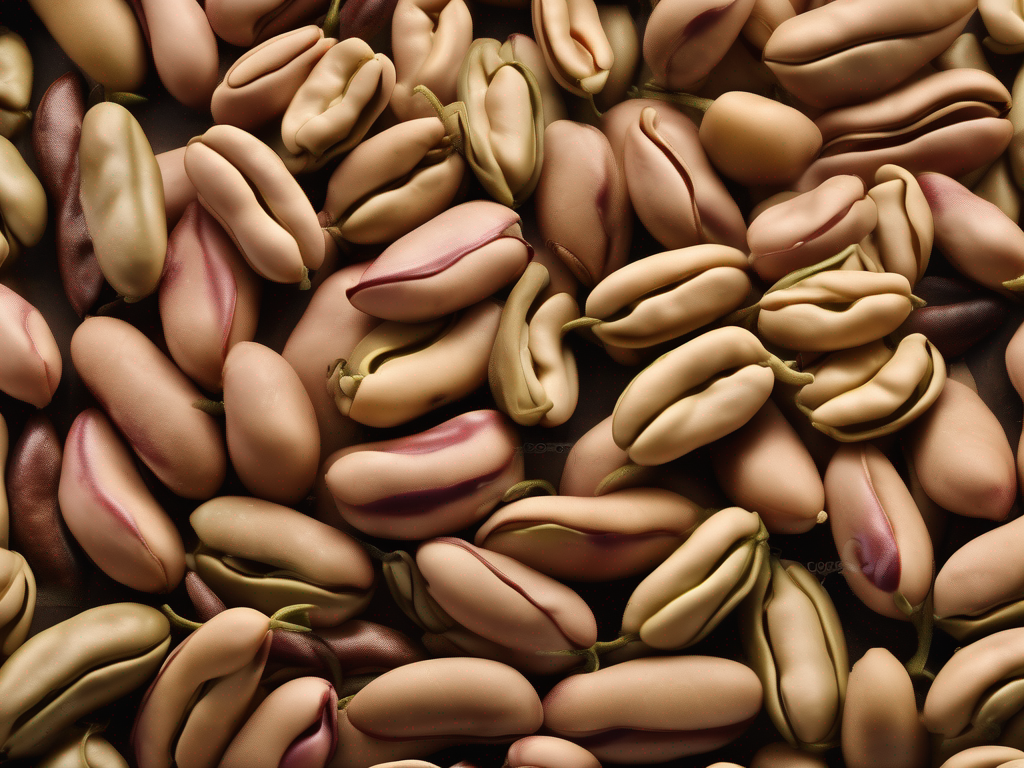
Preserving Climbing Beans for Extended Shelf Life
Preserving Climbing Beans for Extended Shelf Life
Climbing beans, also known as pole beans, are a delicious and versatile vegetable that can be enjoyed in a variety of dishes. To maximize their shelf life and ensure they stay fresh for longer periods, proper preservation methods are crucial. In this blog post, we will discuss practical tips and techniques for preserving climbing beans to extend their shelf life. (Climbing bean)
Understanding Climbing Beans
Climbing beans are a type of legume that grow on climbing vines. They are rich in nutrients such as fiber, protein, vitamins, and minerals. Climbing beans come in various colors and sizes, including green, yellow, and purple varieties. They are commonly used in salads, soups, stir-fries, and side dishes.
Harvesting Climbing Beans
When it comes to preserving climbing beans, the first step is harvesting them at the right time. Here are some tips for harvesting climbing beans:
Proper airflow and humidity control can significantly extend produce freshness. Many households use produce storage containers (Amazon) in the refrigerator to regulate moisture and slow spoilage.
Harvesting Tips:
- Pick climbing beans when they are young and tender for the best flavor and texture.
- Harvest beans regularly to encourage continuous production.
- Use scissors or pruners to cut the beans from the vine to avoid damaging the plant.
Cleaning and Preparing Climbing Beans
After harvesting climbing beans, it's essential to clean and prepare them properly before preservation. Here's how to clean and prepare climbing beans for storage:
Cleaning and Preparing:
- Rinse the beans under running water to remove any dirt or debris.
- Trim the ends of the beans with a knife or scissors.
- Sort the beans to remove any damaged or moldy ones.
Preserving Climbing Beans
There are several methods for preserving climbing beans to extend their shelf life. Here are some common preservation techniques:
1. Freezing:
- Blanch the beans in boiling water for a few minutes, then plunge them into ice water to stop the cooking process.
- Drain the beans and pat them dry before placing them in freezer-safe containers or bags.
- Label the containers with the date and store them in the freezer for up to 12 months.
2. Canning:
- Use a pressure canner for canning climbing beans to ensure food safety.
- Follow proper canning procedures and guidelines to prevent the growth of harmful bacteria.
- Store canned climbing beans in a cool, dark place for up to 1-2 years.
3. Pickling:
- Make a pickling solution using vinegar, water, salt, and spices.
- Pack cleaned and trimmed climbing beans into sterilized jars and cover them with the pickling solution.
- Seal the jars and store them in the refrigerator for up to 6 months.
4. Drying:
- String clean and trimmed climbing beans on a thread or wire to create a bean drying rack.
- Hang the drying rack in a warm, well-ventilated area until the beans are completely dry.
- Store the dried beans in airtight containers in a cool, dry place for several months.
Safety Tips for Preserving Climbing Beans
When preserving climbing beans, it's essential to follow food safety guidelines to prevent foodborne illnesses. Here are some safety tips to keep in mind:
Keeping produce organized can improve air circulation and cooling. refrigerator organizer bins (Amazon) help reduce overcrowding and maintain consistent refrigerator temperatures.
- Wash hands thoroughly before handling climbing beans.
- Use clean and sanitized utensils, containers, and equipment for preservation.
- Follow proper preservation techniques and processing times to ensure the beans are safe to eat.
- Discard any climbing beans that show signs of spoilage, such as mold or off-odor.
Conclusion
Preserving climbing beans is a great way to enjoy this nutritious vegetable year-round. By following proper harvesting, cleaning, and preservation techniques, you can extend the shelf life of climbing beans and have a supply of fresh beans whenever you need them. Whether you choose to freeze, can, pickle, or dry climbing beans, remember to prioritize food safety to ensure the quality and safety of your preserved beans. Enjoy the delicious taste of climbing beans in your favorite dishes by preserving them using the methods outlined in this blog post. [climbing bean](/food/climbing bean) (Climbing bean)
Authoritative Food Safety References
These agencies and university labs inform every tip and health precaution we publish.
USDA FoodKeeper – Cold Storage Guidelines
Official refrigerator, freezer, and pantry timelines maintained by the U.S. Department of Agriculture.
Visit USDA FoodKeeperFDA Produce Safety Rule & Grower Guidance
Field-to-fridge handling practices that prevent contamination of fruits, vegetables, and leafy greens.
Visit FDA Produce SafetyCDC Foodborne Illness Prevention Hub
Surveillance-backed guidance on pathogens, symptoms, and steps to reduce foodborne illness risk.
Visit CDC Food SafetyUC Davis Postharvest Technology Center
University research detailing optimal storage atmospheres for produce after harvest.
Visit UC Davis PostharvestPenn State Extension – Home Food Preservation & Safety
Peer-reviewed extension bulletins on safe canning, chilling, and reheating practices.
Visit Penn State ExtensionDisclosure: As an Amazon Associate, we earn from qualifying purchases. This helps support our site and allows us to continue providing free food safety information.