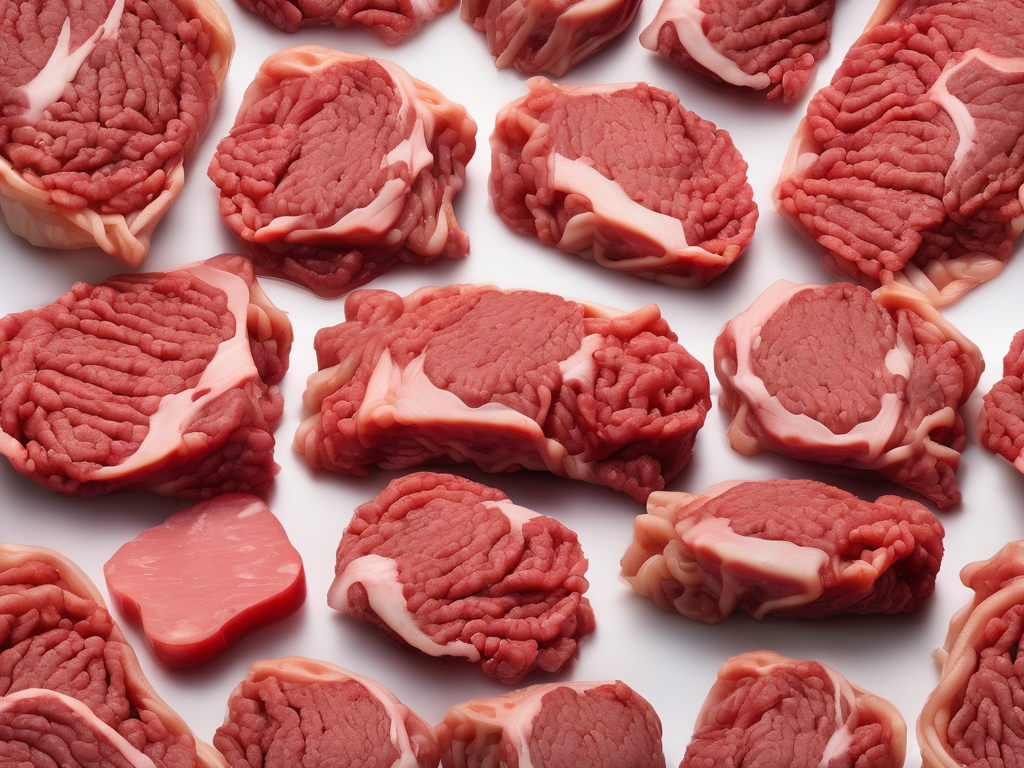
Is Ground Beef Safe to Eat 4 Days After the Sell-By Date?
CanIEatExpired.com Team
# Is Ground Beef Safe to Eat 4 Days After the Sell-By Date?

Ground beef is a versatile and popular choice for many dishes, but when it comes to food safety, it's essential to know how long it can be safely consumed. In this blog post, we will explore whether ground beef is safe to eat four days after the sell-by date and provide you with practical tips on how to handle and store ground beef properly to prevent foodborne illnesses. ([Ground beef](https://canieatexpired.com/food/ground-beef))

## Understanding Sell-By Dates

Sell-by dates are an indication for retailers on how long they can display a product for sale. It is not a safety date but rather a guideline for the store to ensure the product's quality. Consumers can typically safely consume food past the sell-by date if it has been stored properly.

### Factors to Consider

When evaluating whether ground beef is safe to eat after the sell-by date, consider the following factors:

- **Storage Conditions**: Proper storage is crucial in maintaining the quality and safety of ground beef.
- **Appearance and Smell**: Check for any signs of spoilage such as off smells or discoloration.
- **Packaging**: Ensure the packaging is intact and shows no signs of damage.
- **Handling**: Proper handling, such as cooking ground beef to the recommended internal temperature, is essential for food safety.

## Tips for Handling Ground Beef

Ground beef can be a breeding ground for bacteria if not handled and stored correctly. Follow these tips to ensure the safety of your ground beef:

### Storage Tips

1. **Refrigeration**: Store ground beef in the coldest part of your refrigerator at a temperature below 40°F (4°C).
2. **Packaging**: Keep ground beef in its original packaging or transfer it to an airtight container.
3. **Use-by Date**: Consume ground beef within 1-2 days of the use-by date for optimal freshness.

### Cooking Tips

1. **Thawing**: Thaw ground beef in the refrigerator or using the defrost setting on the microwave.
2. **Cooking Temperature**: Cook ground beef to an internal temperature of at least 160°F (71°C) to kill any harmful bacteria.
3. **Leftovers**: Refrigerate leftovers promptly and consume them within 3-4 days.

## Is Ground Beef Safe 4 Days After the Sell-By Date?

Consuming ground beef four days after the sell-by date can be safe if the meat has been stored properly and shows no signs of spoilage. However, it is essential to follow these guidelines to ensure its safety:

- **Check the Appearance**: Look for any changes in color or a sour smell.
- **Texture**: If the ground beef feels slimy or sticky, it may be a sign of spoilage.
- **Cook Thoroughly**: Cooking ground beef to the recommended temperature can kill any bacteria present.

## common situation

### situation 1: The Busy Parent

Common situations include parent who buys a pack of ground beef while grocery shopping on a Sunday. They plan to make tacos for dinner but end up ordering takeout instead. By the following Thursday, they remember the ground beef sitting in the fridge. They check the date and see it’s four days past the sell-by date. Instead of tossing it out, they follow proper checks, including sniffing and inspecting the meat. It looks and smells fine, so they cook it thoroughly and assemble delicious tacos. This parent successfully avoided waste, demonstrating that with careful evaluation, food can remain safe past the sell-by date.

### situation 2: The Meal Prepper

Common situations include prepper who buys ground beef for their weekly meal prep on a Wednesday. They separate the meat into portion sizes, cooking half for chili and freezing the rest. When they revisit the frozen portions a week later, they realize they forgot to label one of the packages, which was frozen just before the sell-by date. After defrosting, they check the beef for any signs of spoilage. With no off-odors or discoloration present, they confidently use it for a stir-fry, showcasing that freezing can extend the safety of ground beef significantly.

### situation 3: The College Student

Picture a college student who buys ground beef for their first attempt at cooking spaghetti sauce. After cooking, they have leftovers stored in the fridge. They don't finish them until four days later, wondering if they should risk eating them. They remember to check for signs of spoilage and reheat the sauce to the proper temperature. The meal turns out to be safe to eat, and they learn the importance of knowing how to handle leftovers.

## Scientific Context: Understanding Foodborne Illnesses

Foodborne illnesses are often caused by bacteria like E. coli, Salmonella, and Listeria, which can thrive in improperly stored ground beef. The Centers for Disease Control and Prevention (CDC) estimates that each year, 48 million people get sick from foodborne diseases, resulting in approximately 128,000 hospitalizations and 3,000 deaths. Understanding the science behind food safety can help consumers make informed choices.

### Bacterial Growth

Ground beef is particularly susceptible to contamination due to its higher surface area compared to whole cuts of meat. When beef is ground, bacteria from the surface can become mixed throughout. This is why it’s critical to cook it to a safe temperature and handle it with care. Many people don’t realize that bacteria can multiply rapidly at temperatures above 40°F (4°C). Therefore, prompt refrigeration and cooking are essential in preventing foodborne illnesses.

## Common Mistakes to Avoid

In the realm of food safety, even seasoned cooks can make errors. Here are some common mistakes when handling ground beef:

### Ignoring the Sell-By Date

Many individuals think that as long as meat looks okay, it’s safe to eat, disregarding sell-by dates. While the sell-by date is not a definitive expiration, ignoring it can lead to unsafe consumption if the meat has been improperly stored.

### Not Using a Meat Thermometer

Some people underestimate the importance of using a meat thermometer, thinking they can judge doneness by color or texture alone. Ground beef must be cooked to an internal temperature of at least 160°F (71°C) to ensure safety, as some bacteria may still be present even if the meat appears brown.

### Leaving Leftovers Out Too Long

A common mishap is leaving leftovers out on the counter for too long. Food should never be left at room temperature for more than two hours, or one hour in temperatures above 90°F (32°C). Properly refrigerating leftovers within this time frame is crucial for preventing bacterial growth.

## Expert Insights

Food safety experts recommend always erring on the side of caution. If you have any doubts about the freshness of your ground beef, don’t hesitate to discard it. Additionally, if you are unsure about your refrigerator’s temperature, consider using an appliance thermometer to monitor conditions closely. It's a small investment that can save you from health risks.

### Notable Recommendations

- **Keep Ground Beef Separate**: When shopping, keep your ground beef separate from other groceries, especially fresh produce, to avoid cross-contamination.
- **Label and Date Frozen Meat**: When freezing ground beef, label the package with the date of freezing. This helps in keeping track of how long it has been stored.
- **Use the FIFO Method**: FIFO stands for "First In, First Out." When stocking your refrigerator or freezer, place newer items at the back and older items in front to ensure that you use them in order.

## Conclusion

In conclusion, while it is generally safe to consume ground beef four days after the sell-by date, it is crucial to practice proper food safety measures. By following the tips outlined in this post, you can enjoy your ground beef safely and deliciously. Remember, when in doubt, it's always best to err on the side of caution when it comes to food safety.

For more information on [ground beef](/food/ground beef) and other food safety tips, visit our website.

Remember, your health is your wealth, so always prioritize food safety in your kitchen! ([Ground beef](https://canieatexpired.com/food/ground-beef))

## Related Posts

Here are some other articles you might find helpful:

- [Understanding Food Expiration Dates: A Comprehensive Guide](/blog/food-expiration-date-chart)
- [How Long Does Refrigerated Beef Last?](/blog/how-long-does-refrigerated-beef-last)
- [Safely Defrosting Frozen Ground Beef: Tips for Quality and Safety](/blog/how-to-safely-defrost-frozen-ground-beef-without-compromising-quality)
- [The Ultimate Guide to Ground Beef Storage: Preventing Spoilage](/blog/optimal-storage-conditions-for-ground-beef-to-prevent-spoilage)
- [Preserving Opened Chili Con Carne Commercially Canned or Bottled](/blog/easy-tips-for-preserving-opened-chili-con-carne-commercially-canned-or-bottled)
Authoritative Food Safety References
These agencies and university labs inform every tip and health precaution we publish.
USDAOfficial guidance
USDA FoodKeeper – Cold Storage Guidelines
Official refrigerator, freezer, and pantry timelines maintained by the U.S. Department of Agriculture.
Visit USDA FoodKeeperFDAOfficial guidance
FDA Produce Safety Rule & Grower Guidance
Field-to-fridge handling practices that prevent contamination of fruits, vegetables, and leafy greens.
Visit FDA Produce SafetyCDCOfficial guidance
CDC Foodborne Illness Prevention Hub
Surveillance-backed guidance on pathogens, symptoms, and steps to reduce foodborne illness risk.
Visit CDC Food SafetyResearchUniversity research
UC Davis Postharvest Technology Center
University research detailing optimal storage atmospheres for produce after harvest.
Visit UC Davis PostharvestResearchUniversity research
Penn State Extension – Home Food Preservation & Safety
Peer-reviewed extension bulletins on safe canning, chilling, and reheating practices.
Visit Penn State ExtensionDisclosure: As an Amazon Associate, we earn from qualifying purchases. This helps support our site and allows us to continue providing free food safety information.
Our articles are created using a combination of AI assistance and human review. All food safety information is based on USDA guidelines and credible sources. Learn more about our review process here.