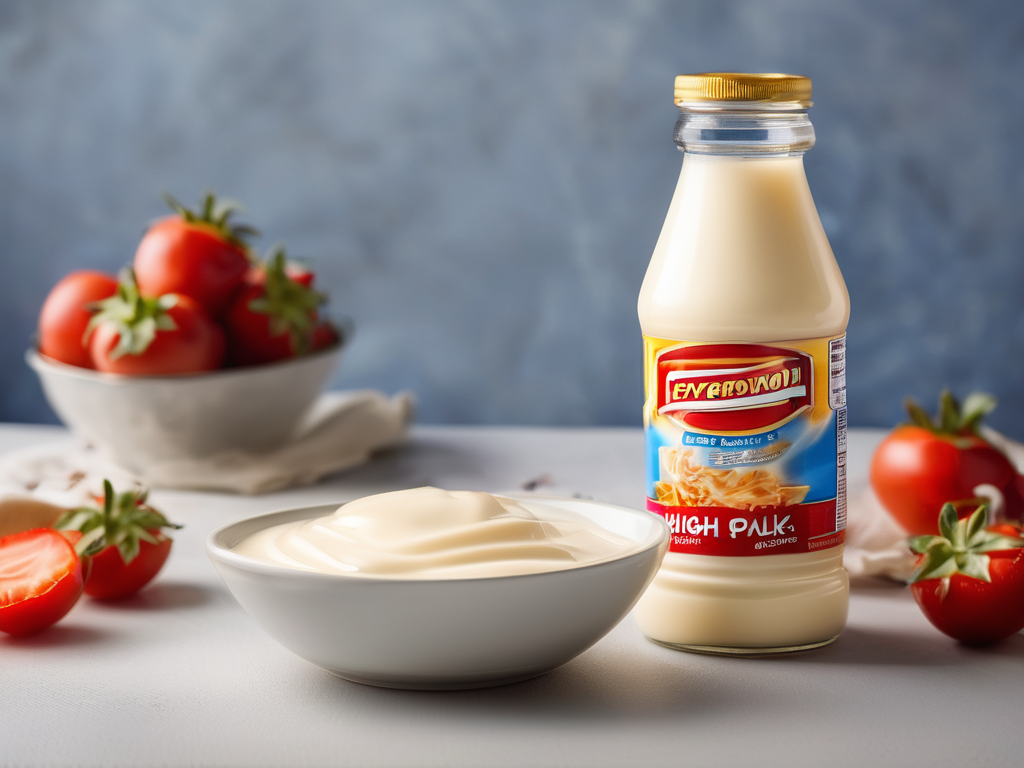
The Truth About Evaporated Milk Past Expiration Date
The Truth About Evaporated Milk Past Expiration Date
Evaporated milk is a versatile dairy product that can be used in various recipes to add creaminess and richness. However, like all perishable items, evaporated milk has a shelf life and can go bad if not stored properly. In this blog post, we will delve into the topic of evaporated milk past its expiration date and discuss the safety implications of consuming it. (Evaporated milk)
Understanding Expiration Dates on Evaporated Milk
When it comes to food products, expiration dates are not to be taken lightly. They are there for a reason – to ensure the safety and quality of the product. Evaporated milk typically comes with a "best by" or "use by" date stamped on the packaging. It is important to understand the difference between these two terms:
-
Best By Date: This date indicates the period during which the product is at its peak quality in terms of flavor and texture. Consuming evaporated milk after the best by date may not necessarily pose a health risk, but the quality may deteriorate.
💡Dairy products require consistent cold storage to prevent spoilage and bacterial growth. A refrigerator thermometer (Amazon) helps ensure your refrigerator maintains safe temperatures (40°F or below).
-
Use By Date: This date is more critical as it signifies the last day by which the product should be consumed for safety reasons. Consuming evaporated milk after the use by date can increase the risk of foodborne illnesses.
Factors That Affect the Shelf Life of Evaporated Milk
Several factors can impact the shelf life of evaporated milk, even if it has not reached its expiration date. It is essential to consider these factors when deciding whether to consume evaporated milk that is past its best by date:
Storage Conditions
Proper storage is crucial in extending the shelf life of evaporated milk. Here are some tips to ensure optimal storage conditions:
After opening, transferring dairy into an airtight container (Amazon) can reduce odor absorption, limit moisture exposure, and help slow bacterial growth.
- Store unopened cans in a cool, dry place away from direct sunlight.
- Once opened, transfer any unused evaporated milk to a sealed container and refrigerate.
- Avoid storing evaporated milk near strong-smelling foods as it can absorb odors.
Signs of Spoilage
Even if evaporated milk is within its expiration date, it is essential to check for signs of spoilage before consuming it. Some indicators that evaporated milk has gone bad include:
- Foul odor or off smell
- Curdled or lumpy texture
- Unusual color or mold growth
Can You Use Evaporated Milk Past the Expiration Date?
While it is generally recommended to adhere to expiration dates for food safety reasons, consuming evaporated milk slightly past its best by date may not always be harmful. Here are some considerations to keep in mind:
- Quality: The quality of evaporated milk may deteriorate past the expiration date, leading to changes in flavor and texture.
- Safety: If there are no signs of spoilage, such as off smells or curdling, consuming evaporated milk slightly past the expiration date may not pose a significant risk.
However, it is crucial to exercise caution and use your judgment when deciding whether to consume evaporated milk that is past its expiration date.
Tips for Using Expired Evaporated Milk Safely
If you have evaporated milk that is past its expiration date but shows no signs of spoilage, you can still use it safely in certain ways:
- Cooking: Heating evaporated milk to a boiling point can help kill any potential bacteria, making it safer to use in cooked dishes.
- Baking: Incorporating expired evaporated milk into baked goods where it will be thoroughly cooked can reduce the risk of consuming harmful bacteria.
- Whipping: If you plan to whip evaporated milk, ensure that it is well chilled to minimize any risk of bacterial growth.
common situation
Understanding how people handle evaporated milk past its expiration date can provide relatable context. Here are a couple of situation:
The Busy Mom
Jessica is a busy mom who often cooks for her family. One day, she finds a can of evaporated milk in her pantry that is a week past its best by date. She recalls that it was stored correctly in a cool, dark spot. Instead of tossing it out, she decides to open the can and give it a sniff. It smells perfectly fine, so she uses it in her creamy pasta sauce. The dish turns out delightful, and her family enjoys the meal without any issues.
The Aspiring Baker
Tom loves baking and experimenting with new recipes. While preparing to make a pumpkin pie for a family gathering, he discovers that the evaporated milk he has is five days past its use by date. However, he’s aware that canned foods often last longer than their expiration dates. After checking for signs of spoilage and finding none, he uses the evaporated milk in his pie filling. The pie is a hit, and no one ever knows about the milk's age.
Scientific Context
Evaporated milk is created by removing about 60% of the water content from regular milk. This process not only gives it a thicker consistency but also extends its shelf life due to reduced moisture, which inhibits bacterial growth. Canned evaporated milk can typically last for years if unopened, which is why many people feel comfortable using it even slightly past the best by date.
Nutritionally, evaporated milk is rich in protein and calcium and often fortified with vitamins A and D. These benefits remain intact for some time after the expiration date, provided the product is stored correctly. However, it's important to note that the flavor might become less pleasant over time, impacting your recipes.
Practical Tips for Storage
Maximizing the shelf life of evaporated milk is essential, especially if you buy it in bulk. Here are some practical storage tips:
- Can Storage: Store unopened cans in a pantry or cupboard away from heat sources. Extreme temperatures can compromise the integrity of the can and the milk inside.
- Refrigeration Post-Opening: Once opened, transfer any unused evaporated milk to a glass or plastic container with a tight-fitting lid. It can last in the refrigerator for about 3 to 5 days.
- Freezing: While not often recommended, you can freeze evaporated milk if you have excess. Pour it into freezer-safe containers, leaving space for expansion, and use it within a month for best quality.
Common Mistakes
Many people might unknowingly make mistakes when it comes to storing or using evaporated milk. Here are a few common pitfalls:
- Ignoring Signs of Spoilage: Some individuals might rely solely on the expiration date and disregard off smells or odd textures. Always trust your senses!
- Not Refrigerating After Opening: Leaving opened evaporated milk out at room temperature can lead to rapid spoilage. Always refrigerate after opening.
- Using Old Milk in Non-Cooked Recipes: Using evaporated milk that is past its prime in uncooked recipes, such as in smoothies or whipped toppings, poses a higher risk of foodborne illness.
Expert Insights
Food safety experts recommend that if you're ever in doubt about the safety of a food product, it’s best to err on the side of caution. According to USDA guidelines, if the milk smells questionable or has an off color, it is best to discard it. Remember that foodborne illnesses can be serious, so when in doubt, throw it out.
Furthermore, if you frequently find yourself with expired evaporated milk, consider adjusting your shopping habits. Try to buy smaller quantities that you can consume within the expiration dates, or look for recipes that specifically utilize evaporated milk.
Safety Warnings
While using evaporated milk that is slightly past its expiration date can often be safe, there are critical safety warnings to keep in mind:
- Health Conditions: If you or someone you’re cooking for has a compromised immune system, it is best to avoid any expired dairy products altogether.
- Storage Environment: Ensure your refrigerator is at the correct temperature (below 40°F or 4°C) to keep opened evaporated milk safe for consumption.
In Conclusion
In conclusion, while it is always best to adhere to expiration dates for optimal food safety and quality, using evaporated milk slightly past its expiration date may not always be harmful. By understanding proper storage conditions, signs of spoilage, and safe usage tips, you can make informed decisions about consuming evaporated milk that is past its best by date. Remember, when in doubt, it's better to err on the side of caution and dispose of the product. Stay safe and enjoy your culinary adventures with evaporated milk!
[evaporated milk](/food/evaporated milk) (Evaporated milk)
Related Posts
Here are some other articles you might find helpful:
Authoritative Food Safety References
These agencies and university labs inform every tip and health precaution we publish.
USDA FoodKeeper – Cold Storage Guidelines
Official refrigerator, freezer, and pantry timelines maintained by the U.S. Department of Agriculture.
Visit USDA FoodKeeperFDA Produce Safety Rule & Grower Guidance
Field-to-fridge handling practices that prevent contamination of fruits, vegetables, and leafy greens.
Visit FDA Produce SafetyCDC Foodborne Illness Prevention Hub
Surveillance-backed guidance on pathogens, symptoms, and steps to reduce foodborne illness risk.
Visit CDC Food SafetyUC Davis Postharvest Technology Center
University research detailing optimal storage atmospheres for produce after harvest.
Visit UC Davis PostharvestPenn State Extension – Home Food Preservation & Safety
Peer-reviewed extension bulletins on safe canning, chilling, and reheating practices.
Visit Penn State ExtensionDisclosure: As an Amazon Associate, we earn from qualifying purchases. This helps support our site and allows us to continue providing free food safety information.