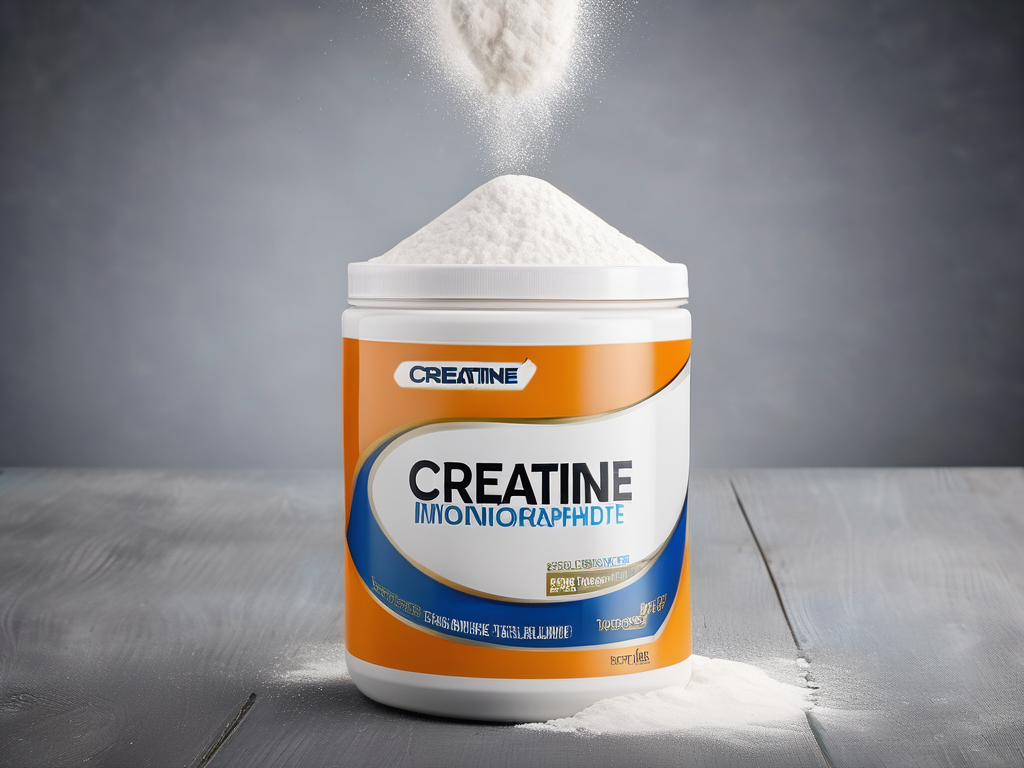
Evaluating the Quality of Expired Creatine Monohydrate Powder for Safe Consumption
Evaluating the Quality of Expired Creatine Monohydrate Powder for Safe Consumption
Creatine monohydrate powder is a popular supplement used by athletes and fitness enthusiasts to improve performance and increase muscle mass. However, like all supplements, creatine powder has an expiration date. In this blog post, we will discuss how to evaluate the quality of expired creatine monohydrate powder to determine if it is safe for consumption. (Creatine monohydrate powder)
Understanding Creatine Monohydrate Powder
Creatine monohydrate powder is a dietary supplement that helps to increase the body's phosphocreatine stores, which are used to produce adenosine triphosphate (ATP) – the energy currency of the cells. This can lead to improved performance during high-intensity, short-duration activities such as weightlifting or sprinting.
Creatine monohydrate powder is typically sold in powder form and is mixed with water or juice before consumption. It is important to store creatine powder in a cool, dry place away from moisture and heat to maintain its integrity and potency.
Factors to Consider When Evaluating Expired Creatine Monohydrate Powder
When evaluating the quality of expired creatine monohydrate powder, consider the following factors:
Expiration Date
Check the expiration date on the packaging of the creatine powder. If the powder is past its expiration date, it may have lost some of its potency and effectiveness.
Appearance
Inspect the powder for any changes in color, texture, or odor. If the powder has changed in appearance, it may be an indication that it has deteriorated and should not be consumed.
Clumping
Creatine powder that has expired or been exposed to moisture may clump together. Clumped powder can be a sign of degradation and should be discarded.
Storage Conditions
Consider how the creatine powder has been stored. If it has been kept in a humid environment or exposed to heat, it may have degraded more rapidly than if it was stored properly.
Manufacturer Reputation
Research the manufacturer of the creatine monohydrate powder. A reputable manufacturer is more likely to produce high-quality products that maintain their potency even after the expiration date.
Safety Tips for Consuming Expired Creatine Monohydrate Powder
If you are considering consuming expired creatine monohydrate powder, follow these safety tips:
- Consult a healthcare professional before consuming expired supplements, especially if you have any underlying health conditions.
- Start with a small dose to test the potency and effectiveness of the expired creatine powder.
- Monitor your body's response to the expired creatine powder and discontinue use if you experience any adverse effects.
- Do not consume large quantities of expired creatine powder in an attempt to compensate for any loss of potency.
Conclusion
In conclusion, evaluating the quality of expired creatine monohydrate powder is essential to ensure its safety for consumption. By considering factors such as the expiration date, appearance, clumping, storage conditions, and manufacturer reputation, you can make an informed decision about whether to consume expired creatine powder. Remember to prioritize your health and safety when consuming any dietary supplement, and when in doubt, it is best to err on the side of caution and discard expired products. (Creatine monohydrate powder)
Related Posts
Here are some other articles you might find helpful:
Authoritative Food Safety References
These agencies and university labs inform every tip and health precaution we publish.
USDA FoodKeeper – Cold Storage Guidelines
Official refrigerator, freezer, and pantry timelines maintained by the U.S. Department of Agriculture.
Visit USDA FoodKeeperFDA Produce Safety Rule & Grower Guidance
Field-to-fridge handling practices that prevent contamination of fruits, vegetables, and leafy greens.
Visit FDA Produce SafetyCDC Foodborne Illness Prevention Hub
Surveillance-backed guidance on pathogens, symptoms, and steps to reduce foodborne illness risk.
Visit CDC Food SafetyUC Davis Postharvest Technology Center
University research detailing optimal storage atmospheres for produce after harvest.
Visit UC Davis PostharvestPenn State Extension – Home Food Preservation & Safety
Peer-reviewed extension bulletins on safe canning, chilling, and reheating practices.
Visit Penn State Extension