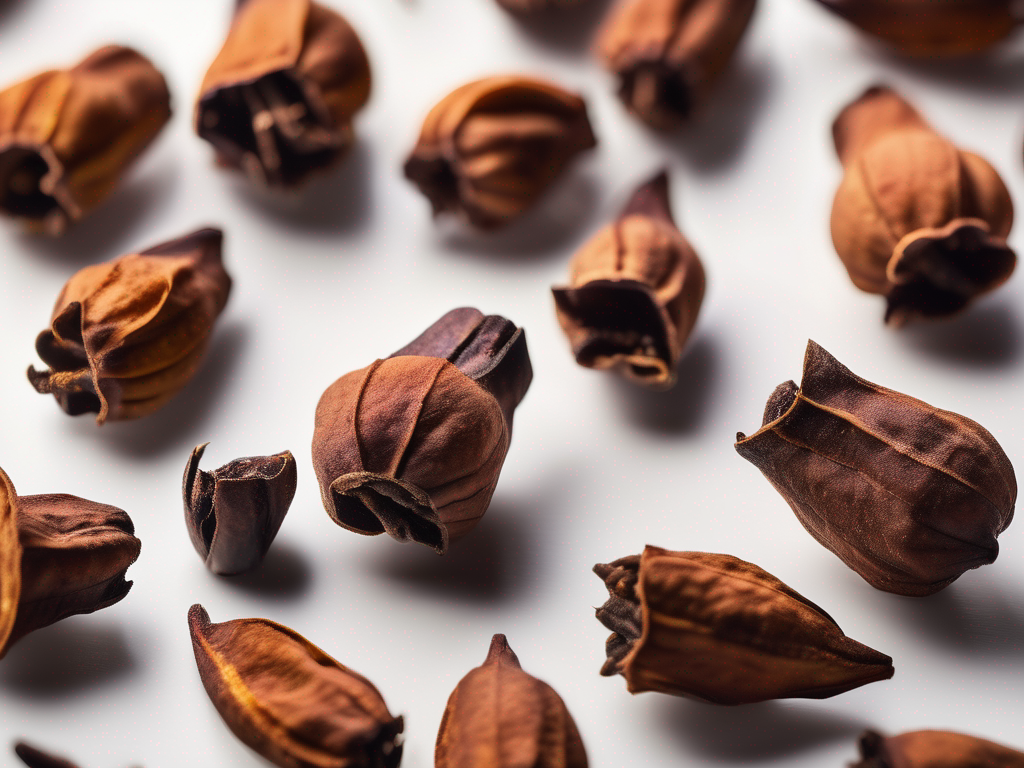
Does the Color of Cloves Indicate Freshness or Spoilage?
Does the Color of Cloves Indicate Freshness or Spoilage?
Cloves are a popular spice used in various cuisines around the world. They are known for their strong aroma and distinct flavor, making them a favorite in both sweet and savory dishes. When it comes to storing and using cloves, many people wonder if the color of the cloves can indicate their freshness or spoilage. In this blog post, we will explore this topic in detail to help you understand how to properly handle and store cloves for optimal freshness and safety. (Cloves)
Understanding Cloves and Their Characteristics
Cloves, scientifically known as Syzygium aromaticum, are the dried flower buds of the clove tree. They are native to Indonesia and have been used for centuries in cooking, traditional medicine, and even as a natural remedy for various ailments. Cloves are known for their warm, sweet, and aromatic flavor, which is why they are commonly used in both sweet and savory dishes.
When it comes to appearance, cloves are small, dark brown, and have a hard stem at one end. The color of cloves can vary slightly depending on factors such as origin, processing, and storage conditions. However, in general, fresh cloves are dark brown in color, while older cloves may appear lighter or even dusty in color.
Factors Affecting the Color of Cloves
Several factors can influence the color of cloves, including:
1. Age of the Cloves
- Fresh cloves are typically dark brown in color.
- As cloves age, they may lose some of their color and appear lighter.
2. Storage Conditions
- Proper storage in a cool, dark place can help maintain the color of cloves.
- Exposure to light, heat, and moisture can cause cloves to lose their color and flavor.
3. Quality of the Cloves
- High-quality cloves are more likely to retain their dark brown color.
- Lower-quality or older cloves may appear lighter or discolored.
Signs of Freshness and Spoilage in Cloves
When it comes to determining the freshness and quality of cloves, consider the following indicators:
Signs of Freshness:
- Dark brown color
- Strong, aromatic scent
- Intact buds with no signs of mold or discoloration
Signs of Spoilage:
- Light or faded color
- Musty or off-putting odor
- Mold or visible signs of decay
Proper Storage and Handling of Cloves
To ensure the longevity and freshness of your cloves, follow these tips for proper storage and handling:
- Store cloves in an airtight container in a cool, dark place away from heat and moisture.
- Avoid storing cloves near sources of heat or light, such as the stove or direct sunlight.
- Check the container regularly for any signs of moisture or mold and discard any spoiled cloves.
- Consider storing cloves in a dark glass jar to protect them from light exposure.
- Use airtight bags or vacuum-sealed containers for long-term storage to maintain freshness.
Conclusion
In conclusion, while the color of cloves can provide some insight into their freshness and quality, it is not the sole indicator of spoilage. Pay attention to other factors such as scent, texture, and any visible signs of decay when determining the quality of your cloves. By following proper storage practices and handling techniques, you can ensure that your cloves remain fresh and flavorful for longer periods. Remember, when in doubt, it is always best to err on the side of caution and discard any cloves that show signs of spoilage. Cloves are a versatile spice that can add depth and flavor to a wide range of dishes, so it's worth taking the time to store them properly to enjoy their full benefits. (Cloves)
Authoritative Food Safety References
These agencies and university labs inform every tip and health precaution we publish.
USDA FoodKeeper – Cold Storage Guidelines
Official refrigerator, freezer, and pantry timelines maintained by the U.S. Department of Agriculture.
Visit USDA FoodKeeperFDA Produce Safety Rule & Grower Guidance
Field-to-fridge handling practices that prevent contamination of fruits, vegetables, and leafy greens.
Visit FDA Produce SafetyCDC Foodborne Illness Prevention Hub
Surveillance-backed guidance on pathogens, symptoms, and steps to reduce foodborne illness risk.
Visit CDC Food SafetyUC Davis Postharvest Technology Center
University research detailing optimal storage atmospheres for produce after harvest.
Visit UC Davis PostharvestPenn State Extension – Home Food Preservation & Safety
Peer-reviewed extension bulletins on safe canning, chilling, and reheating practices.
Visit Penn State Extension