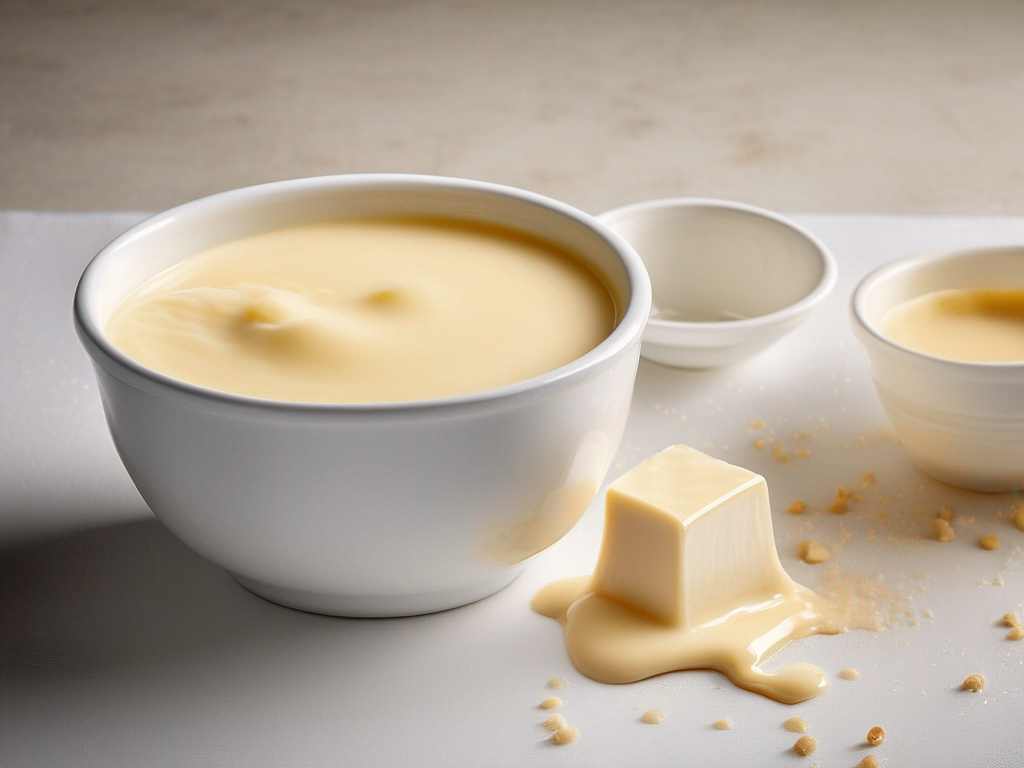
Does Sweetened Condensed Milk Expire?
CanIEatExpired.com Team
# Does Sweetened Condensed Milk Expire?

Sweetened condensed milk is a popular ingredient in many sweet treats and desserts, known for its rich and creamy taste. But like all food products, sweetened condensed milk does have a shelf life. In this blog post, we will explore the topic of sweetened condensed milk expiration to help you understand how long it lasts and how to store it properly. ([Condensed milk](https://canieatexpired.com/food/condensed-milk))

## Understanding Sweetened Condensed Milk Expiration

Sweetened condensed milk is a dairy product that has been processed and sweetened with sugar. It is known for its long shelf life due to the high sugar content, which acts as a preservative. However, sweetened condensed milk does expire, and it is important to be aware of the signs that indicate it may no longer be safe to consume.

### Factors Affecting Sweetened Condensed Milk Shelf Life

Several factors can impact the shelf life of sweetened condensed milk, including:

- **Storage Conditions:** Proper storage is crucial in extending the shelf life of sweetened condensed milk.
- **Packaging:** Sealed cans or tubes are more effective in preserving the product compared to open containers.
- **Temperature:** Sweetened condensed milk should be stored at a cool and consistent temperature.

## How Long Does Sweetened Condensed Milk Last?

Sweetened condensed milk typically has a long shelf life, but it is essential to check the expiration date on the packaging. The shelf life can vary depending on various factors, but unopened cans or tubes of sweetened condensed milk can generally last:

- **Unopened:** Up to 1 year past the expiration date.

Once opened, sweetened condensed milk should be refrigerated and consumed within a reasonable timeframe to ensure freshness and safety.

### Signs That Sweetened Condensed Milk Has Expired

It is crucial to be able to identify when sweetened condensed milk has gone bad to avoid consuming spoiled food. Some common signs that sweetened condensed milk may have expired include:

- **Off Odor:** If the milk smells sour or off, it is likely spoiled.
- **Mold Growth:** Any signs of mold growth indicate that the sweetened condensed milk is no longer safe to consume.
- **Texture Changes:** Any changes in texture, such as curdling or separation, can indicate spoilage.

## common situation

Understanding how sweetened condensed milk might come into play in everyday life can help clarify its storage and shelf life.

### situation 1: The Last-Minute Baking Emergency

Imagine it's the night before a big family gathering, and you decide to whip up your famous chocolate fudge pie. You've carefully prepared all the ingredients, but when you reach for the sweetened condensed milk, you realize it's been sitting in your pantry for months, and you're unsure if it's still good. Instead of risking it, you take a moment to inspect it. You notice it smells fine and has a smooth texture. You go ahead and use it, and the pie turns out perfect. However, had you encountered any signs of spoilage, you would have had to scramble to find a substitute at the last minute—perhaps using evaporated milk mixed with sugar, which isn't quite the same!

### situation 2: The Abandoned Cans

Many people have experienced that moment of surprise when cleaning out the pantry. You stumble upon an old can of sweetened condensed milk that you had forgotten about. It may be unopened and past its expiration date, but it looks fine. You remember reading about how it can last beyond its date, but you're hesitant. After checking for any signs of spoilage, you decide to use it in a homemade caramel sauce, and it turns out delicious! This experience highlights the importance of knowing how to evaluate the safety of your food items, even past their "best by" dates.

### situation 3: The After-School Treat

Picture this: it's a rainy afternoon, and your kids are looking for a fun activity. You decide to make no-bake cookies, a family favorite. Halfway through, you reach for the sweetened condensed milk but find that it expired months ago. You take a deep breath, remember the advice from your food safety guru friend, and check the can for any signs of spoilage. To your relief, it still smells sweet and looks fine. You proceed with the recipe, and once again, everyone enjoys the outcome. This situation reminds us that a little knowledge can save the day, even when cooking with ingredients that have been around for a while.

## Proper Storage Tips for Sweetened Condensed Milk

To maximize the shelf life of sweetened condensed milk and ensure its safety, follow these storage tips:

1. **Store in a Cool Place:** Keep sweetened condensed milk in a cool, dry place away from direct sunlight.
2. **Refrigerate After Opening:** Once opened, transfer any remaining sweetened condensed milk to an airtight container and refrigerate.
3. **Check for Signs of Spoilage:** Always inspect the sweetened condensed milk before use for any signs of spoilage.
4. **Use Clean Utensils:** When scooping out sweetened condensed milk, use clean utensils to prevent contamination.

### Additional Storage Methods

For those who often cook with sweetened condensed milk and want to ensure it stays fresh, consider these additional methods:

- **Freezing:** Sweetened condensed milk can be frozen for extended periods. Pour it into ice cube trays for easy portioning, and once frozen, transfer the cubes to a zip-top bag. This way, you can defrost only what you need for your recipes.
- **Using Glass Jars:** If you prefer to store opened sweetened condensed milk, transferring it to a glass jar can help maintain its flavor and texture. Glass is non-reactive and won’t absorb odors like some plastic containers can.

## Common Mistakes When Using Sweetened Condensed Milk

Even though sweetened condensed milk is durable, there are common pitfalls that many make:

- **Ignoring Expiration Dates:** While sweetened condensed milk can last beyond its expiration date, a significant delay in usage can lead to spoiled products. Always check for signs of spoilage regardless of the date.
- **Using Metal Utensils:** Some people mistakenly use metal spoons to scoop out sweetened condensed milk from open cans. This can react with the contents, affecting the flavor and safety. Always use plastic or silicone utensils.
- **Using Improperly Cleaned Containers:** After opening and transferring to another container, ensure that your storage container is thoroughly cleaned. Otherwise, bacteria can thrive and spoil what would otherwise be a good product.

## Expert Insights

Food safety experts emphasize that understanding how to handle sweetened condensed milk can greatly affect your cooking experience. Food safety guidance from public health agencies, a food safety researcher, suggests, "Many people don’t realize that proper storage and inspection can save both food and money. With sweetened condensed milk, a little caution goes a long way."

Moreover, she highlights the importance of purchasing it from reputable suppliers and checking for any dents or damage to cans, which could indicate compromised quality.

### Scientific Context

From a scientific perspective, sweetened condensed milk is stable due to its low water activity, which limits microbial growth. The high sugar content creates an environment that is inhospitable for bacteria, but it's still vital to remember that once opened, air can introduce contaminants. It’s a delicate balance; while the sugar acts as a preservative, the introduction of moisture (from a spoon, for example) can cause spoilage faster than one might expect.

## Nutritional Considerations

Sweetened condensed milk is not just a sweet addition; it's also quite rich in calories and sugar. One tablespoon packs around 60 calories and about 11 grams of sugar. For those watching their sugar intake, moderation is key.

On a positive note, sweetened condensed milk also adds calcium and protein to your recipes. When used thoughtfully, it can be part of a balanced diet—just remember to pair it with healthier ingredients when possible.

## Practical Tips for Using Sweetened Condensed Milk

1. **In Recipes:** When using sweetened condensed milk in your recipes, be mindful of the overall sweetness. You might want to reduce other sugars in a recipe to balance the flavors.
2. **Making Whipped Toppings:** Did you know you can whip sweetened condensed milk into a delicious topping? Mix it with heavy cream and some vanilla extract for a fluffy topping that’s excellent on pies or ice cream.
3. **Enhancing Coffee or Tea:** A little sweetened condensed milk can make a delightful addition to coffee or tea, creating a creamy, sweet beverage that’s a treat any time of day.

## Conclusion

Sweetened condensed milk is a versatile ingredient that can add richness and sweetness to a variety of dishes. By understanding its shelf life and proper storage methods, you can enjoy this pantry staple safely and deliciously. Remember to check the expiration date, store it correctly, and be mindful of signs of spoilage to ensure that your sweetened condensed milk is always fresh and safe to use. ([Condensed milk](https://canieatexpired.com/food/condensed-milk))

## Related Posts

Here are some other articles you might find helpful:

- [Can Condensed Milk Expire? Exploring the Shelf Life of this Sweet Treat](/blog/can-condensed-milk-expire)
- [The Ultimate Guide to Canned Evaporated Milk Expiration](/blog/canned-evaporated-milk-expiration)
- [Does Evaporated Milk Expire: A Comprehensive Guide to Storage and Safety](/blog/does-evaporated-milk-expire)
- [How Long Does Coffee Creamer Last After the Expiration Date](/blog/how-long-does-coffee-creamer-last-after-expiration-date)
- [Can Canned Milk Go Bad?](/blog/can-canned-milk-go-bad)
Authoritative Food Safety References
These agencies and university labs inform every tip and health precaution we publish.
USDAOfficial guidance
USDA FoodKeeper – Cold Storage Guidelines
Official refrigerator, freezer, and pantry timelines maintained by the U.S. Department of Agriculture.
Visit USDA FoodKeeperFDAOfficial guidance
FDA Produce Safety Rule & Grower Guidance
Field-to-fridge handling practices that prevent contamination of fruits, vegetables, and leafy greens.
Visit FDA Produce SafetyCDCOfficial guidance
CDC Foodborne Illness Prevention Hub
Surveillance-backed guidance on pathogens, symptoms, and steps to reduce foodborne illness risk.
Visit CDC Food SafetyResearchUniversity research
UC Davis Postharvest Technology Center
University research detailing optimal storage atmospheres for produce after harvest.
Visit UC Davis PostharvestResearchUniversity research
Penn State Extension – Home Food Preservation & Safety
Peer-reviewed extension bulletins on safe canning, chilling, and reheating practices.
Visit Penn State ExtensionDisclosure: As an Amazon Associate, we earn from qualifying purchases. This helps support our site and allows us to continue providing free food safety information.
Our articles are created using a combination of AI assistance and human review. All food safety information is based on USDA guidelines and credible sources. Learn more about our review process here.