
Does Sugar Expire: Understanding Sugar Shelf Life and Storage
Does Sugar Expire: Understanding Sugar Shelf Life and Storage
In every kitchen, sugar is a staple ingredient used in a variety of recipes, from baking cakes to sweetening beverages. However, have you ever wondered if sugar can expire? In this blog post, we will delve into the topic of sugar expiration, its shelf life, storage tips, and how to ensure your sugar stays fresh for longer.
Does Sugar Expire?
Many people believe that sugar lasts forever, given its long shelf life and ability to withstand various storage conditions. The truth is, sugar does not expire in the traditional sense. Due to its low moisture content, sugar is a non-perishable item that does not support bacterial growth. However, its quality can deteriorate over time if not stored properly.
Factors Affecting Sugar Shelf Life
Several factors can affect the shelf life of sugar, including:
Proper airflow and humidity control can significantly extend produce freshness. Many households use produce storage containers (Amazon) in the refrigerator to regulate moisture and slow spoilage.
-
Exposure to Moisture: Sugar can absorb moisture from the environment, leading to clumping and the formation of hard lumps.
-
Pest Infestation: Insects or pests can contaminate sugar if not stored in airtight containers.
-
Temperature Fluctuations: Extreme temperatures can cause sugar to harden or crystalize.
-
Light Exposure: Direct sunlight can cause sugar to discolor and lose its quality.
Sugar Storage Tips
To ensure your sugar stays fresh and maintains its quality over time, follow these essential storage tips:
1. Use Airtight Containers
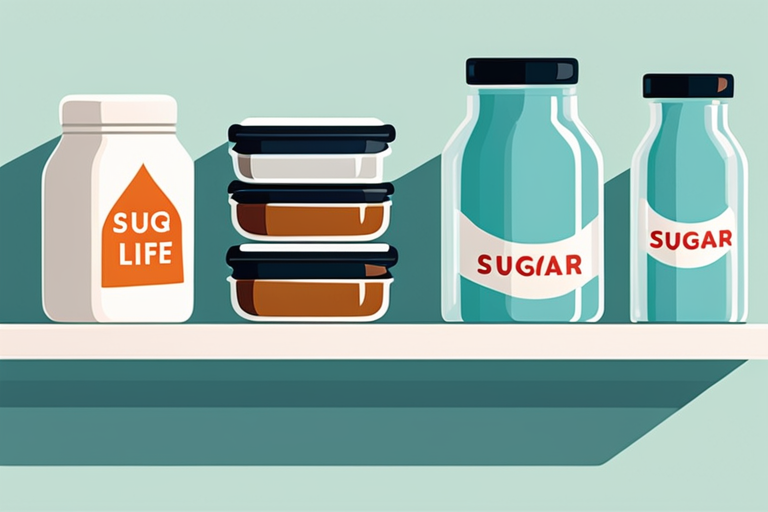
- Store sugar in airtight containers or resealable bags to prevent moisture absorption and pest infestation.
2. Keep Away from Heat and Humidity
- Store sugar in a cool, dry place away from heat sources, such as stoves or ovens, to prevent clumping and moisture absorption.
3. Avoid Light Exposure
- Store sugar in opaque containers or cabinets to protect it from light exposure, which can cause discoloration.
4. Check for Signs of Spoilage
- Before using sugar, check for any signs of spoilage, such as mold growth, unusual odor, or insect infestation.
5. Rotate Stock Regularly
- Use the "first in, first out" rule to ensure you use older sugar first and prevent it from sitting in storage for extended periods.
How Long Does Sugar Last?
While sugar does not spoil, its quality can degrade over time. Here are the general guidelines for the shelf life of different types of sugar:
- Granulated Sugar: Indefinite shelf life if stored properly.
- Brown Sugar: 4-6 months if stored in an airtight container.
- Powdered Sugar: 18-24 months if stored away from moisture.
- Raw Sugar: Indefinite shelf life if kept dry and sealed.
common situation
Imagine you’re elbow-deep in flour, trying to whip up your grandmother’s famous chocolate chip cookies. You reach for the sugar, only to find a hard lump that refuses to dissolve. This can be a common situation, especially if the sugar has been stored in a humid environment. A quick solution? You can soften brown sugar by placing a slice of bread in the container overnight or microwaving it with a damp paper towel for a few seconds.
Another situation could involve a holiday baking marathon. You’ve stocked up on sugar for all those holiday treats but realize that the bags you bought a year ago are still sitting in the pantry. When you open the bag, you find it’s clumped together. Using airtight containers from the start could have saved you this hassle and ensured you had fresh sugar ready when you needed it most.
A Sweet Surprise
Let’s say you decide to try your hand at making homemade jam. You gather fresh fruits, and when you check your sugar supply, you find that you have a bag that’s been open for months. You anxiously sift through it, worried that it might have absorbed moisture and turned into a hard block. Thankfully, you’ve stored it in an airtight container, and it’s still as granulated as when you bought it. You go on to create a delightful fruit spread that impresses your family and friends at breakfast.
Scientific Context
From a scientific perspective, sugar is quite fascinating. It is a hygroscopic substance, meaning it can attract and hold moisture from the environment. This property is why sugar is effective as a preservative in jams and jellies. The high concentration of sugar creates an environment that inhibits the growth of bacteria and mold.
Interestingly, the ability of sugar to last indefinitely is a result of its chemical composition. Sugar molecules do not support the growth of microorganisms due to their structure, which is why you often hear that sugar never really goes bad. However, the physical attributes can change, leading to clumping or hardening, which can impact its usability in recipes.
Nutritional Information
While sugar is primarily known for its sweetening properties, it’s worth noting that it does contain calories—approximately 16 calories per teaspoon. While it’s a quick source of energy, it lacks essential nutrients like vitamins or minerals. For those looking to reduce sugar intake, consider natural alternatives like honey or maple syrup, which provide some vitamins and minerals, although they still contain calories.
Practical Tips for Long-Term Storage
If you’re looking to store sugar for the long term, consider these additional practical tips:
1. Vacuum Sealing
- For those who like to buy in bulk, vacuum sealing can be a great option. By removing air, you limit moisture absorption and keep pests at bay.
2. Use Desiccants
- In extremely humid environments, placing food-safe desiccants (like silica gel packets) in your sugar container can help absorb any excess moisture.
3. Regularly Inspect Your Supply
- Make a habit of checking your sugar every few months. This way, you can catch any clumping or signs of pests before they become a bigger issue.
4. Consider Freezing
- Some people choose to freeze sugar for long-term storage. While it’s not necessary, it can help keep sugar fresh for years. Just remember to let it come to room temperature before using it in recipes.
Common Mistakes
Many people make simple mistakes when it comes to sugar storage. Here are some of the most common:
1. Storing in the Original Packaging
- Keeping sugar in its original paper or cardboard packaging can lead to moisture absorption. Instead, transfer it to airtight containers right away.
2. Not Sealing Properly
- Failing to properly seal containers can lead to clumping and pest infestations. Always make sure your containers are tightly sealed after each use.
3. Ignoring Expiration Dates
- Though sugar doesn’t expire, many people still check expiration dates. Instead, focus on the quality and storage methods to determine if it’s still good to use.
4. Overlooking Clumping
- Some may think that clumped sugar is bad or unusable. In reality, clumping often results from humidity, and as mentioned, can be resolved easily. It’s important to assess whether it’s truly spoiled or just needing a little TLC.
5. Forgetting About Sugar Substitutes
- Many people may overlook how sugar substitutes can also have shelf lives. If you’re using Stevia or other sweeteners, ensure you're aware of their storage needs since they can have different properties than regular sugar.
Expert Insights
As a food safety expert, I recommend regularly rotating your pantry items, including sugar. It’s easy to forget what’s at the back of the pantry, so keep an inventory list if you have a large supply. This practice not only keeps your sugar fresh but helps you avoid waste.
Additionally, if you find that your sugar has hardened into a solid block, it’s usually still safe to use. You can often break it apart and use it, but remember that the texture might not be ideal for all recipes.
Safety Warnings
While sugar itself is safe, be cautious about cross-contamination. If you use the same measuring cup for wet ingredients and then dip it into your sugar container, you could introduce moisture that leads to clumping. Always use dry utensils when measuring out sugar!
Conclusion
In conclusion, sugar does not expire but can lose its quality if not stored correctly. By following the storage tips mentioned above and being mindful of the factors that can affect sugar's shelf life, you can ensure that your sugar remains fresh and ready to use in your favorite recipes. Remember to check your sugar regularly for any signs of spoilage and practice proper storage techniques to prolong its shelf life. Happy baking!
Authoritative Food Safety References
These agencies and university labs inform every tip and health precaution we publish.
USDA FoodKeeper – Cold Storage Guidelines
Official refrigerator, freezer, and pantry timelines maintained by the U.S. Department of Agriculture.
Visit USDA FoodKeeperFDA Produce Safety Rule & Grower Guidance
Field-to-fridge handling practices that prevent contamination of fruits, vegetables, and leafy greens.
Visit FDA Produce SafetyCDC Foodborne Illness Prevention Hub
Surveillance-backed guidance on pathogens, symptoms, and steps to reduce foodborne illness risk.
Visit CDC Food SafetyUC Davis Postharvest Technology Center
University research detailing optimal storage atmospheres for produce after harvest.
Visit UC Davis PostharvestPenn State Extension – Home Food Preservation & Safety
Peer-reviewed extension bulletins on safe canning, chilling, and reheating practices.
Visit Penn State ExtensionDisclosure: As an Amazon Associate, we earn from qualifying purchases. This helps support our site and allows us to continue providing free food safety information.