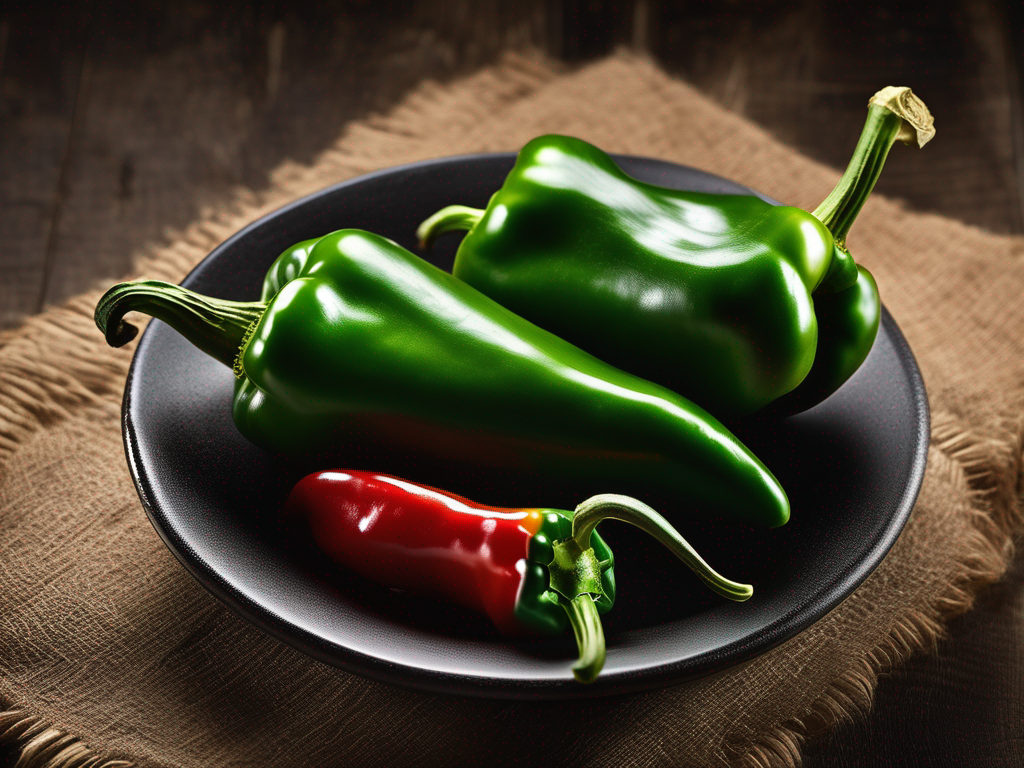
Does Salt and Pepper Expire: Understanding Food Safety and Storage
In every kitchen, salt and pepper are essential ingredients that add flavor and depth to dishes. However, many home cooks may wonder: do salt and pepper expire? In this comprehensive guide, we will explore the shelf life of salt and pepper, how to store them properly, and tips for ensuring food safety in your kitchen. (Pepper)
Understanding the Shelf Life of Salt and Pepper
Salt Expiration
- Table Salt: Table salt, also known as iodized salt, has an indefinite shelf life if stored properly.
- Sea Salt: Sea salt also does not expire, but it may clump together over time due to moisture exposure.
- Himalayan Pink Salt: This trendy salt variety lasts indefinitely as well.
- Kosher Salt: Like other salts, kosher salt does not expire.
Pepper Expiration
- Whole Peppercorns: Whole peppercorns have a longer shelf life compared to ground pepper. They can last for 3-4 years if stored correctly.
- Ground Pepper: Ground pepper has a shorter shelf life of about 2-3 years.
- Pepper Varieties: Black pepper, white pepper, and other pepper varieties have similar shelf lives.
Proper Storage of Salt and Pepper
Salt Storage Tips
- Keep salt in an airtight container to prevent clumping and moisture absorption.
- Store salt away from heat sources and moisture.
- Avoid using a wet spoon when scooping salt to prevent clumping.
- Keep salt containers in a cool, dark place to maintain flavor potency.
Pepper Storage Tips
- Store whole peppercorns in a cool, dark place to preserve flavor.
- Ground pepper should be kept in a tightly sealed container away from light and heat.
- Consider using a pepper grinder to freshly grind whole peppercorns for the best flavor.
- Check ground pepper for signs of rancidity, such as a musty smell or lack of aroma.
common situation
Imagine you’re hosting a dinner party, and you’ve prepared a delicious roast. As you season the meat with salt and pepper, you notice that the pepper doesn’t have the same kick it used to. You shrug it off and continue. A few guests comment on the blandness of the dish, and you realize that your ground pepper has lost its potency. This situation highlights how important it is to regularly check your spices and seasonings to ensure they’re fresh and flavorful.
Consider another situation: You’re in a rush to prepare a weeknight meal, and you grab a container labeled "sea salt" from the cupboard. As you cook, you pour the salt directly into the pot without checking it first, only to find out later that it has clumped together and lost its texture. This can lead to uneven seasoning and can even affect the texture of your dish. By knowing how to store salt properly and regularly checking its condition, you can avoid these last-minute kitchen mishaps.
Proper cooking temperatures are essential for food safety. An instant-read food thermometer (Amazon) helps ensure meat reaches safe internal temperatures and reduces the risk of foodborne illness.
Scientific Context
Understanding the science behind salt and pepper can help you appreciate their roles beyond mere flavor enhancers. Salt acts as a preservative, and its ability to draw moisture out of food helps inhibit the growth of bacteria. This is why salt has been used for centuries to cure meats and preserve vegetables.
Pepper, on the other hand, contains piperine, a compound that gives it its characteristic spiciness. This compound also has antioxidant properties, making pepper not just a flavor enhancer but also a potential health booster. When stored improperly, however, the essential oils in pepper can break down, leading to a loss of flavor and nutritional value. So, using fresh spices not only enhances your dishes but also can contribute to a healthier diet.
Ensuring Food Safety in Your Kitchen
Salt and Pepper Hygiene
- Wash your hands before handling salt and pepper to prevent contamination.
- Avoid using the same spoon or shaker for both salt and pepper to prevent cross-contamination.
- Regularly clean salt and pepper containers to remove any residue or buildup.
Common Mistakes to Avoid
- Neglecting to Check Expiry or Freshness: Many people assume that salt and pepper never go bad. While they don't technically expire, their freshness can wane. If you're not aware of this, you might end up under-seasoning your dishes.
- Improper Storage: Leaving salt and pepper out on the counter, exposed to moisture and heat, can significantly reduce their shelf life and effectiveness. Always store them in airtight containers in a cool, dark place.
- Using Old Spices: People often forget that ground spices have a shorter shelf life than whole spices. It’s easy to forget how long you’ve had that jar of ground pepper. If it’s been in your pantry for more than a couple of years, it’s time to consider replacing it.
Cooking with Salt and Pepper
- Season dishes with salt and pepper to taste, adjusting the amounts as needed.
- Be mindful of dietary restrictions when using salt, such as reducing sodium for individuals with hypertension.
- Experiment with different salt and pepper varieties to enhance the flavors of your dishes.
Practical Tips for Freshness
- Label and Date: When you buy new salt or pepper, label the container with the purchase date. This simple step can help you keep track of how long it has been in your pantry.
- Use a Spice Grinder: If you’re a fan of ground pepper, consider investing in a spice grinder. Grinding whole peppercorns as needed will provide the freshest flavor and aroma. You’ll be surprised at how much more vibrant your dishes can taste!
- Rotate Stock: If you purchase spices in bulk, remember to use the older containers first. This method, known as FIFO (First In, First Out), helps ensure that you’re always using the freshest ingredients available.
Storage Methods
Salt Storage
- Airtight Jars: Using glass or ceramic jars with tight-fitting lids can be an excellent way to keep salt fresh.
- Desiccants: If you live in a humid area, consider adding a food-safe desiccant packet to your salt container to absorb excess moisture.
Pepper Storage
- Dark Glass Containers: If you’re using ground pepper, consider storing it in a dark glass container to protect it from light exposure, which can degrade the flavor.
- Freezer Storage: For whole peppercorns, storing them in the freezer can extend their shelf life even further, preserving their robust flavor and aroma.
Expert Insights
Food safety experts recommend checking your spices every six months. This practice can help ensure that you’re using spices that are still flavorful and safe to consume. Additionally, many chefs advocate for using salt as a finishing touch. Sprinkling a pinch of flaky sea salt just before serving can elevate a dish, enhancing its flavors in a way that cooking salt cannot.
Refrigerator temperature fluctuations can accelerate spoilage and increase food safety risks. A refrigerator thermometer (Amazon) helps monitor consistent cold storage (40°F or below).
Moreover, be cautious when using flavored salts (like garlic salt or onion salt) as they can have a shorter shelf life due to their ingredients. It’s often best to store these in the fridge to maintain freshness.
Conclusion
In conclusion, salt and pepper do not expire in the traditional sense but can lose potency over time. By understanding the shelf life of these essential kitchen ingredients and following proper storage practices, you can ensure that your salt and pepper remain fresh and flavorful. Remember to prioritize food safety in your kitchen by practicing good hygiene and using salt and pepper appropriately in your cooking. With these tips in mind, you can confidently season your dishes with the perfect balance of salt and pepper for delicious results every time. (Pepper)
Related Posts
Here are some other articles you might find helpful:
- Do Salt and Pepper Expire: Understanding Shelf Life and Storage Tips
- How Long Does Deli Sandwich Meat Last?
- Is it Safe to Eat Unopened Salsa Past its Expiration Date?
- Can You Eat Expired Salsa: A Comprehensive Guide to Food Safety
- The Ultimate Guide: Does Italian Salad Dressing Need to be Refrigerated?
Authoritative Food Safety References
These agencies and university labs inform every tip and health precaution we publish.
USDA FoodKeeper – Cold Storage Guidelines
Official refrigerator, freezer, and pantry timelines maintained by the U.S. Department of Agriculture.
Visit USDA FoodKeeperFDA Produce Safety Rule & Grower Guidance
Field-to-fridge handling practices that prevent contamination of fruits, vegetables, and leafy greens.
Visit FDA Produce SafetyCDC Foodborne Illness Prevention Hub
Surveillance-backed guidance on pathogens, symptoms, and steps to reduce foodborne illness risk.
Visit CDC Food SafetyUC Davis Postharvest Technology Center
University research detailing optimal storage atmospheres for produce after harvest.
Visit UC Davis PostharvestPenn State Extension – Home Food Preservation & Safety
Peer-reviewed extension bulletins on safe canning, chilling, and reheating practices.
Visit Penn State ExtensionDisclosure: As an Amazon Associate, we earn from qualifying purchases. This helps support our site and allows us to continue providing free food safety information.