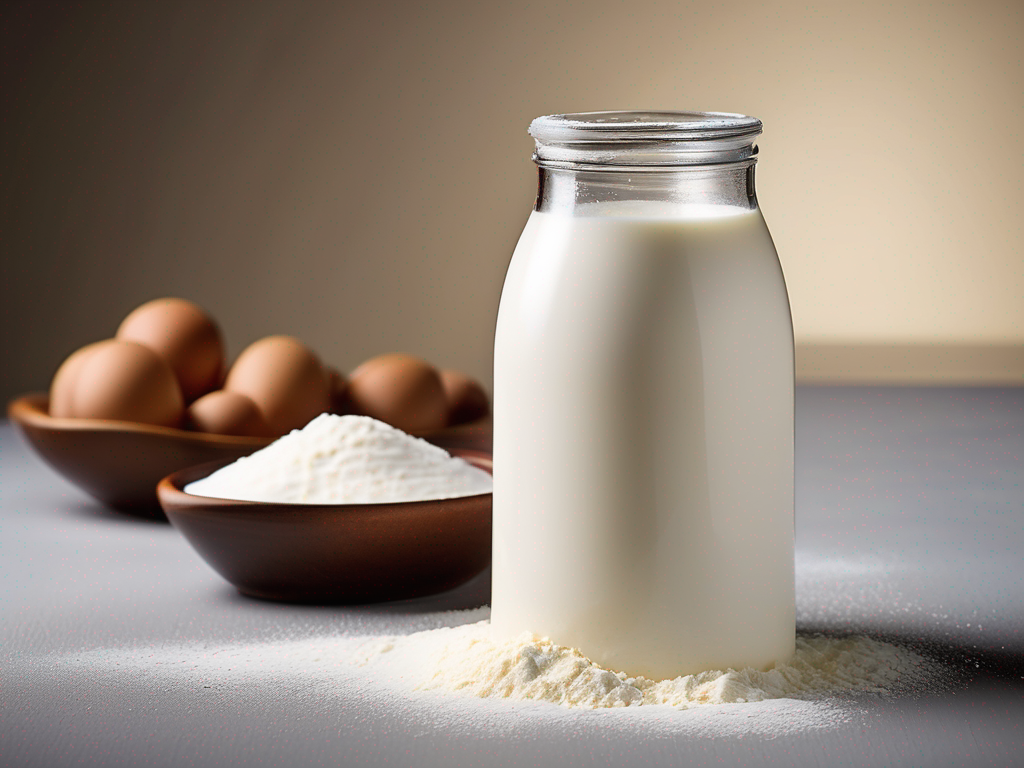
Does Powdered Milk Expire?
CanIEatExpired.com Team
# Does Powdered Milk Expire?

In many households, powdered milk is a pantry staple that comes in handy for various purposes. Whether you use it for baking, cooking, or as a substitute for fresh milk, powdered milk can be a versatile ingredient. However, like any food product, powdered milk does have a shelf life. In this blog post, we will explore the topic of whether powdered milk expires, how to store it properly, and practical tips for maintaining its quality and safety. ([Powdered milk](https://canieatexpired.com/food/powdered-milk))

## Understanding the Shelf Life of Powdered Milk

Powdered milk, also known as dry milk powder, is made by evaporating milk to dryness. It is available in both non-fat and full-fat varieties and is often fortified with vitamins and minerals. The shelf life of powdered milk can vary depending on factors such as the type of milk powder, packaging, storage conditions, and whether it has been opened or not.

### Does Powdered Milk Expire?

Yes, like any food product, powdered milk does have an expiration date. The expiration date is typically printed on the packaging and indicates the date until which the product is expected to maintain its quality. However, it's essential to note that the expiration date is a guideline for optimal quality, and powdered milk may still be safe to consume after this date if stored properly.

### Factors Affecting the Shelf Life of Powdered Milk

Several factors can affect the shelf life of powdered milk:

1. **Packaging:** The packaging of powdered milk plays a crucial role in determining its shelf life. Sealed, airtight packaging helps protect the powder from moisture, light, and air, thus prolonging its shelf life.

2. **Storage Conditions:** Proper storage is essential for maintaining the quality of powdered milk. Store it in a cool, dry place away from direct sunlight and heat sources.

3. **Type of Powdered Milk:** Non-fat powdered milk tends to have a longer shelf life than full-fat varieties due to its lower fat content.

4. **Moisture Content:** Exposure to moisture can cause powdered milk to clump and spoil more quickly. Ensure that the powder remains dry at all times.

## Storing Powdered Milk Properly

Proper storage is key to extending the shelf life of powdered milk and maintaining its quality. Here are some practical tips for storing powdered milk:

### Storage Tips:

1. **Choose the Right Container:** Transfer powdered milk to an airtight container or resealable bag to prevent moisture and air from affecting its quality.

2. **Cool, Dark Place:** Store powdered milk in a cool, dark pantry or cupboard away from heat sources and direct sunlight.

3. **Avoid Moisture:** Keep the powdered milk away from areas with high humidity to prevent clumping and spoilage.

4. **Check Expiration Date:** Always check the expiration date on the packaging and use the oldest powdered milk first to ensure freshness.

## Safety Precautions and Tips

While powdered milk is generally safe to consume, it's essential to follow some safety precautions to prevent contamination and ensure food safety:

### Safety Tips:

1. **Inspect Before Use:** Before using powdered milk, check for any signs of spoilage such as an off smell, unusual color, or clumping.

2. **Follow Instructions:** Follow the manufacturer's instructions for reconstituting powdered milk, especially when using it as a substitute for fresh milk in recipes.

3. **Avoid Cross-Contamination:** Use clean utensils and containers when handling powdered milk to prevent cross-contamination with other foods.

4. **Store Away from Strong Odors:** Powdered milk can absorb strong odors, so store it away from pungent foods or chemicals.

## common situation with Powdered Milk

Imagine you’re planning a camping trip and want to pack light. You decide to bring powdered milk because it’s lighter than carrying a carton of fresh milk. On your first morning, you mix it with hot water for your coffee and are pleasantly surprised by how well it reconstitutes. However, a few days into your trip, you notice the opened pouch is starting to clump. You realize you should have stored it in a more airtight container to extend its usability throughout your trip.

Or Common situations include parent who uses powdered milk in their child’s favorite recipes. One day, while baking cookies, they discover the powdered milk has clumped together. Instead of panicking, they remember to sift it before mixing it into the dough, successfully saving the baking session. This experience reinforces the importance of proper storage and checking the product before use.

Another example is of a college student who lives in a small dorm room. With limited space, they opt for powdered milk as a budget-friendly alternative. One evening, they decide to make a creamy pasta sauce using the powdered milk. As they reconstitute it, they notice some clumping and realize that they hadn’t sealed the bag tightly after the last use. This reminds them to be diligent about storage to avoid waste.

## Scientific Context of Powdered Milk

Powdered milk is produced through a process called spray drying, where liquid milk is atomized into tiny droplets and then quickly dried. This process not only extends the shelf life but also preserves the nutritional content of milk, including calcium, protein, and vitamins A and D. However, the nutritional quality can degrade over time, especially if exposed to air and moisture, leading to the development of off-flavors and odors.

It’s also interesting to note that fat content plays a significant role in spoilage. Full-fat powdered milk, while creamier and richer, can go rancid due to the oxidation of fats, especially if improperly stored. This is why non-fat powdered milk is often favored for long-term storage.

### Nutritional Considerations

When it comes to nutrition, powdered milk is a great source of protein and calcium, making it an excellent option for those looking to supplement their diet. Many people don’t realize that powdered milk contains similar nutritional benefits to fresh milk, including essential vitamins like B12 and riboflavin. It can be a convenient source of nutrition for individuals who may be lactose intolerant, as the lactose content is lower in non-fat varieties.

## Common Mistakes with Powdered Milk

Many people don’t realize that once powdered milk is opened, its shelf life significantly decreases. One common mistake is assuming that the product can last indefinitely just because it is dry. In reality, improper storage after opening can lead to spoilage within weeks or months. Additionally, some may forget to reseal the bag properly after use, exposing the powder to moisture and air, which can lead to clumping and spoilage.

Another mistake is not checking for signs of spoilage before use. While many assume that if it smells fine, it’s good to go, visible signs like clumping or changes in color can be indicators that the powdered milk has deteriorated.

For instance, I’ve spoken to many home bakers who find themselves in a panic when they discover that their powdered milk has clumped and smells slightly off right before they need to make a recipe. This stress could have been avoided entirely with proper storage and regular checks.

## Expert Insights on Handling Powdered Milk

From a food safety perspective, it’s crucial to understand that while powdered milk can be safe to consume past its expiration date, it is not advisable to use it indefinitely. Food safety professionals recommend using powdered milk within one to two years of purchase, especially if it’s been opened. Always err on the side of caution—if something looks or smells off, it’s best to discard it.

Additionally, when reconstituting powdered milk, using cold or room-temperature water is recommended for optimal results, as it can help prevent clumping. If you need to heat it for recipes, do so gently to avoid altering the flavor and texture.

### Additional Storage Methods

To further enhance storage longevity, consider vacuum sealing your powdered milk. This method removes air from the container, significantly reducing oxidation and moisture infiltration. Additionally, storing it in the freezer can extend its shelf life even longer, as long as you ensure that it’s in a moisture-proof container. Just remember to allow it to come to room temperature before opening to prevent condensation from forming inside the container.

## Conclusion

In conclusion, powdered milk does expire, but with proper storage and handling, you can prolong its shelf life and maintain its quality. By following the storage tips outlined in this blog post and practicing food safety precautions, you can safely enjoy the convenience and versatility of powdered milk in your kitchen. Remember to check the expiration date, store it in a cool, dry place, and use it within a reasonable time frame for the best results. [Powdered milk](/food/powdered-milk) is a valuable pantry staple that, when stored correctly, can be a reliable ingredient for various culinary creations. ([Powdered milk](https://canieatexpired.com/food/powdered-milk))

## Related Posts

Here are some other articles you might find helpful:

- [Can Canned Milk Go Bad?](/blog/can-canned-milk-go-bad)
- [How Long Can You Eat Butter After It Expires](/blog/how-long-can-you-eat-butter-after-it-expires)
- [How Long Does Nonfat Dry Milk Last?](/blog/how-long-does-nonfat-dry-milk-last)
- [Do Sticks of Butter Expire? A Comprehensive Guide to Butter Shelf Life](/blog/do-sticks-of-butter-expire)
- [How Long Does Powdered Milk Last After the Expiration Date?](/blog/how-long-does-powdered-milk-last-after-expiration-date)
Authoritative Food Safety References
These agencies and university labs inform every tip and health precaution we publish.
USDAOfficial guidance
USDA FoodKeeper – Cold Storage Guidelines
Official refrigerator, freezer, and pantry timelines maintained by the U.S. Department of Agriculture.
Visit USDA FoodKeeperFDAOfficial guidance
FDA Produce Safety Rule & Grower Guidance
Field-to-fridge handling practices that prevent contamination of fruits, vegetables, and leafy greens.
Visit FDA Produce SafetyCDCOfficial guidance
CDC Foodborne Illness Prevention Hub
Surveillance-backed guidance on pathogens, symptoms, and steps to reduce foodborne illness risk.
Visit CDC Food SafetyResearchUniversity research
UC Davis Postharvest Technology Center
University research detailing optimal storage atmospheres for produce after harvest.
Visit UC Davis PostharvestResearchUniversity research
Penn State Extension – Home Food Preservation & Safety
Peer-reviewed extension bulletins on safe canning, chilling, and reheating practices.
Visit Penn State ExtensionDisclosure: As an Amazon Associate, we earn from qualifying purchases. This helps support our site and allows us to continue providing free food safety information.
Our articles are created using a combination of AI assistance and human review. All food safety information is based on USDA guidelines and credible sources. Learn more about our review process here.