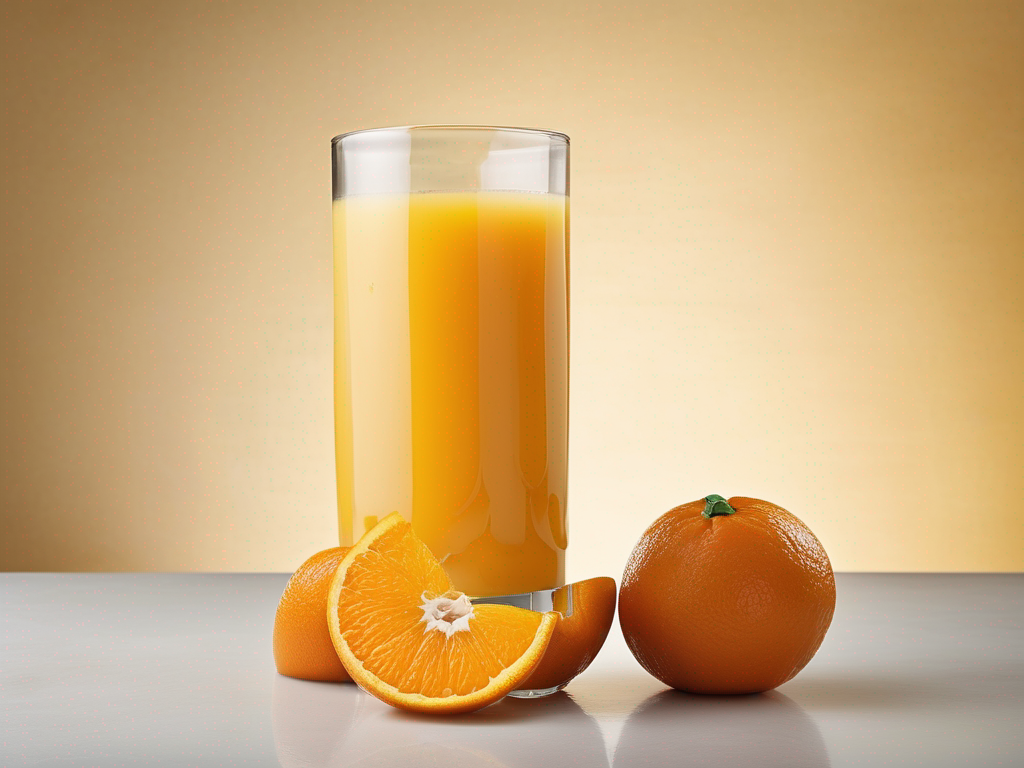
Does Orange Juice Expire: A Complete Guide to Orange Juice Storage
Does Orange Juice Expire: A Complete Guide to Orange Juice Storage
In this comprehensive guide, we will delve into the world of orange juice expiration. From understanding the shelf life of orange juice to practical tips on how to properly store it, we've got you covered. So, let's get started! (Orange juice)
Understanding Orange Juice Expiration
Orange juice is a popular beverage enjoyed by many for its refreshing taste and Vitamin C content. However, like all food products, orange juice does have a limited shelf life. Here are some key points to keep in mind:
Factors Affecting Orange Juice Shelf Life
Several factors can influence the expiration of orange juice:
Seafood is highly perishable and requires consistent cold storage. A refrigerator thermometer (Amazon) helps ensure your refrigerator maintains safe temperatures (40°F or below) to prevent spoilage.
-
Packaging: Orange juice can be found in various packaging types, such as cartons, plastic bottles, or glass bottles. The type of packaging can impact the juice's shelf life.
-
Processing Method: The method used to process the orange juice, whether it's pasteurized or fresh-squeezed, can also affect its expiration date.
-
Storage Conditions: Proper storage is crucial in extending the shelf life of orange juice. Exposure to light, heat, and air can all accelerate the deterioration of the juice.
Does Orange Juice Expire?
Yes, orange juice does expire. Most commercially produced orange juices come with a best-by or use-by date printed on the packaging. It is essential to pay attention to these dates to ensure the freshness and safety of the juice.
Signs of Spoiled Orange Juice
Here are some indicators that your orange juice may have gone bad:
-
Off Odor: If the orange juice has a sour or fermented smell, it is likely spoiled.
-
Mold Growth: Visible mold or any unusual growth in the juice is a clear sign of spoilage.
-
Off Taste: Spoiled orange juice will have a rancid or off taste that is distinct from its fresh flavor.
Tips for Storing Orange Juice
Proper storage is key to maintaining the quality and safety of orange juice. Follow these tips to extend the shelf life of your orange juice:
-
Refrigeration: Once opened, store orange juice in the refrigerator to slow down the oxidation process.
-
Sealed Container: Keep the orange juice in a tightly sealed container to prevent exposure to air and contaminants.
-
Avoid Temperature Fluctuations: Store orange juice away from heat sources and make sure the refrigerator maintains a consistent temperature.
-
Check the Expiration Date: Always check the expiration date on the packaging and consume the juice before it expires.
common situation
Let's Common situations include relatable situations where the expiration of orange juice comes into play:
A Sunday Brunch Dilemma
Imagine it's a sunny Sunday morning, and you've invited friends over for brunch. You planned to serve pancakes, scrambled eggs, and, of course, refreshing orange juice. After preparing everything, you realize you forgot to check the fridge for the orange juice. You grab the carton that’s been in there for a while, and while pouring it into a jug, you notice a strange smell. Instead of risking a trip to the grocery store in your pajamas, you remember that you can always make a quick smoothie using fresh fruits!
The Busy Parent's Challenge
As a busy parent, you often buy orange juice in bulk to ensure your kids have a healthy drink option. One day, you find a half-empty carton in the back of the fridge, hidden behind a few other items. Before letting your kids drink it, you give it a sniff and taste test. It’s sour! Many parents might find themselves in this situation, and it highlights the importance of regularly checking expiration dates and maintaining an organized fridge.
A Grocery Store Mix-Up
You’re at the grocery store, and you accidentally grab a carton of orange juice that’s past the expiration date. You only realize this once you get home and start unpacking. It’s a common mistake that can happen to anyone. That’s why it’s essential to check the expiration dates on products, especially items you might not consume right away.
Scientific Context
Understanding the science behind the shelf life of orange juice can enhance your appreciation of this beloved beverage. Orange juice is acidic, which helps inhibit the growth of some bacteria. However, this acidity does not prevent spoilage completely. When orange juice is exposed to air, it begins to oxidize. This process can lead to off-flavors and the breakdown of nutrients.
Nutritional Information
Fresh orange juice is not only delicious but also packed with nutrients. One cup contains about 112 calories and is an excellent source of Vitamin C, providing more than 100% of the daily recommended intake. However, as orange juice ages, the vitamin levels can decrease. This is why consuming fresh juice is often recommended over processed varieties.
Common Mistakes
Many people don't realize that certain practices can lead to faster spoilage of orange juice:
-
Storing in the Door: While it might seem convenient to store orange juice in the refrigerator door, this area experiences the most temperature fluctuations. Instead, place it on a middle shelf where it stays cooler.
-
Leaving it Open: Some folks think that if they just put the cap back on, it will stay fresh. However, exposure to air can lead to oxidation, so always ensure the container is sealed tightly.
-
Ignoring Signs of Spoilage: A common mistake is ignoring the sensory clues that indicate spoilage. Always trust your nose and taste buds; if it smells or tastes off, it's better to err on the side of caution.
Expert Insights
As a food safety expert, I can’t stress enough the importance of proper storage and handling. Here are some professional recommendations:
-
Use Clean Utensils: Always pour juice using a clean glass or measuring cup. Avoid dipping it back into the container, which can introduce bacteria.
-
Freeze for Longevity: If you have a large quantity of orange juice that you can’t consume in time, consider freezing it in ice cube trays. This allows you to enjoy it later in smoothies or as a refreshing addition to drinks.
-
Label Your Containers: If you transfer juice to another container, make sure to label it with the date it was opened or made. This simple step can help you keep track of freshness.
Storage Methods
Different storage methods can significantly affect how long your orange juice stays fresh:
Cold Storage
Keeping orange juice in the refrigerator is essential. Ensure that the temperature is at or below 40°F (4°C). For optimal freshness, consume opened juice within 7 to 10 days.
Freezer Storage
If you find yourself with extra orange juice, freezing is an excellent option. Pour the juice into airtight freezer-safe containers or ice cube trays, leaving some space for expansion. Frozen orange juice can last up to 6 months in the freezer. Remember to thaw it in the fridge when you're ready to use it.
Vacuum Sealing
Another method to extend the shelf life is vacuum sealing. This process removes air from the container, slowing down oxidation. You can use vacuum seal bags specifically designed for liquids, which help keep your juice fresh for longer periods.
Safety Warnings
Lastly, it’s essential to be cautious with orange juice consumption, especially regarding unpasteurized versions. Non-pasteurized orange juice can harbor harmful bacteria like Salmonella or E. coli. If you’re unsure about the safety of your juice, particularly if it was freshly squeezed, consider boiling it briefly to kill any potential pathogens.
Conclusion
In conclusion, orange juice does expire, and proper storage is crucial in prolonging its shelf life. By understanding the factors that influence orange juice expiration and following the tips outlined in this guide, you can enjoy fresh and safe orange juice for longer periods. Remember to always practice food safety measures and trust your senses when determining the freshness of orange juice.
Now that you're equipped with the knowledge on orange juice expiration, go ahead and enjoy a glass of refreshing orange juice with confidence! (Orange juice)
Related Posts
Here are some other articles you might find helpful:
Authoritative Food Safety References
These agencies and university labs inform every tip and health precaution we publish.
USDA FoodKeeper – Cold Storage Guidelines
Official refrigerator, freezer, and pantry timelines maintained by the U.S. Department of Agriculture.
Visit USDA FoodKeeperFDA Produce Safety Rule & Grower Guidance
Field-to-fridge handling practices that prevent contamination of fruits, vegetables, and leafy greens.
Visit FDA Produce SafetyCDC Foodborne Illness Prevention Hub
Surveillance-backed guidance on pathogens, symptoms, and steps to reduce foodborne illness risk.
Visit CDC Food SafetyUC Davis Postharvest Technology Center
University research detailing optimal storage atmospheres for produce after harvest.
Visit UC Davis PostharvestPenn State Extension – Home Food Preservation & Safety
Peer-reviewed extension bulletins on safe canning, chilling, and reheating practices.
Visit Penn State ExtensionDisclosure: As an Amazon Associate, we earn from qualifying purchases. This helps support our site and allows us to continue providing free food safety information.