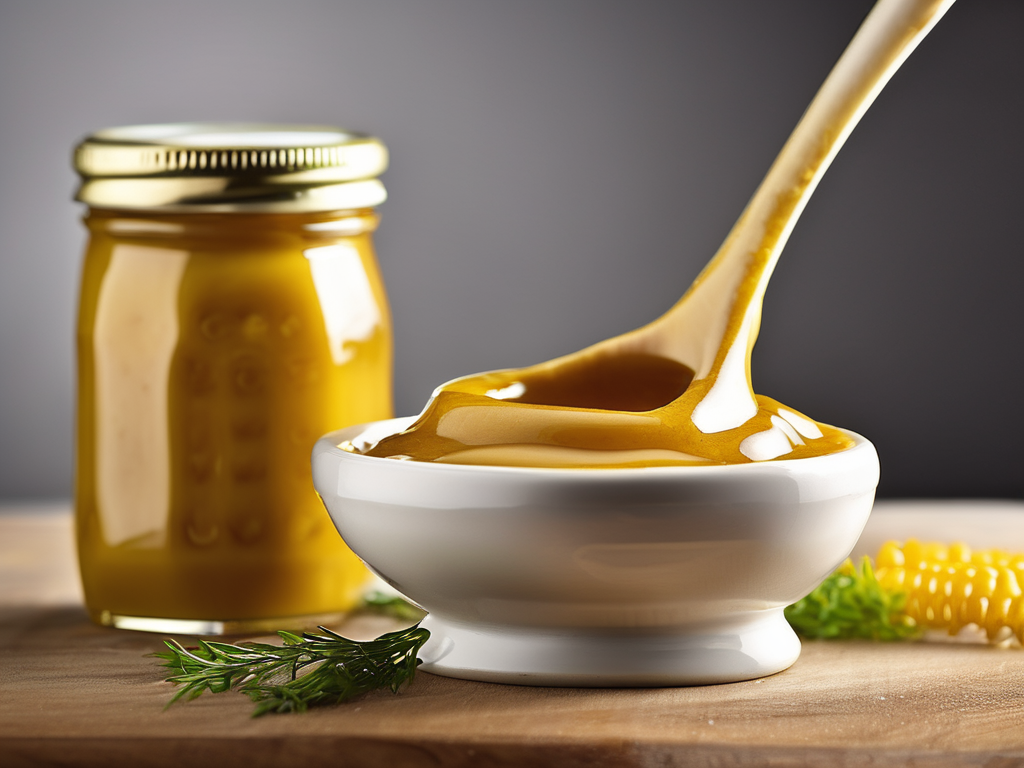
Does Honey Mustard Expire? A Guide to Honey Mustard Shelf Life and Storage
CanIEatExpired.com Team
# Does Honey Mustard Expire? A Guide to Honey Mustard Shelf Life and Storage

Honey mustard is a popular condiment known for its unique blend of sweet and tangy flavors. Whether you use it as a dip for chicken tenders, a dressing for salads, or a glaze for grilled meats, honey mustard adds a delicious twist to a variety of dishes. But like all food products, honey mustard does have a shelf life. In this comprehensive guide, we will explore the expiration of honey mustard, how to store it properly, and practical tips for ensuring food safety. ([Honey mustard](https://canieatexpired.com/food/honey-mustard))

## Understanding the Shelf Life of Honey Mustard

Honey mustard, like other condiments, typically has a relatively long shelf life due to its ingredients such as vinegar, mustard, and honey, which act as natural preservatives. However, it is essential to check the expiration date on the packaging to ensure its freshness. Here are some key points to consider regarding the shelf life of honey mustard:

### Factors Affecting Shelf Life

Several factors can influence the shelf life of honey mustard:

1. **Storage Conditions:** Proper storage is crucial for maintaining the quality and safety of honey mustard. Exposure to heat, light, and air can degrade the product faster.
2. **Quality of Ingredients:** The quality of the ingredients used in honey mustard can impact its shelf life. Fresh, high-quality ingredients can contribute to a longer-lasting product.
3. **Contamination:** Cross-contamination with utensils or fingers can introduce bacteria into the honey mustard, leading to spoilage.

### Expiration Date

Most commercially produced honey mustard products come with a "best by" or expiration date printed on the packaging. It is essential to adhere to this date for optimal flavor and quality. While honey mustard may still be safe to consume after the expiration date, its taste and texture may deteriorate over time.

### Signs of Spoilage

To determine if honey mustard has gone bad, look out for the following signs of spoilage:

- **Unpleasant Odor:** If the honey mustard has a sour or off-putting smell, it may have spoiled.
- **Mold Growth:** Visible mold growth on the surface of the honey mustard indicates spoilage.
- **Changes in Texture:** If the consistency of the honey mustard appears lumpy or separated, it is best to discard it.

## Proper Storage Tips for Honey Mustard

Proper storage is crucial for maintaining the quality and safety of honey mustard. Follow these practical tips to ensure your honey mustard stays fresh for as long as possible:

### Store in a Cool, Dark Place

- Keep honey mustard away from direct sunlight and heat sources to prevent flavor degradation.
- Store it in a pantry or cabinet away from the stove or oven.

### Seal Properly

- Ensure the lid of the honey mustard container is tightly sealed after each use to prevent air exposure.
- Consider transferring honey mustard to an airtight container for extended shelf life.

### Refrigerate After Opening

- Once opened, refrigerate honey mustard to prolong its freshness.
- Check the label for specific refrigeration instructions, as some honey mustard brands may recommend refrigeration even before opening.

### Avoid Cross-Contamination

- Use clean utensils to scoop out honey mustard to prevent contamination.
- Do not double-dip utensils into the honey mustard to avoid introducing bacteria.

## Tips for Maximizing Honey Mustard Shelf Life

To get the most out of your honey mustard and ensure its longevity, consider the following tips:

### Use Clean Utensils

- Always use clean utensils when serving honey mustard to prevent contamination.
- Avoid using fingers to scoop out the condiment.

### Check for Changes in Quality

- Regularly inspect the appearance and smell of honey mustard to ensure it is still safe to consume.
- If you notice any signs of spoilage, discard the product immediately.

### Keep Track of Expiration Dates

- Rotate your honey mustard stock to ensure you consume older products first.
- Check the expiration date before using honey mustard in recipes or as a condiment.

## common situation

Imagine you're planning a summer barbecue, and you decide to make honey mustard chicken skewers. You've got everything ready, but as you reach for the honey mustard, you notice it’s been sitting in the pantry for months. You check the expiry date and realize it expired two months ago. Although it may still be safe, you hesitate. Instead of risking it, you decide to throw it out and grab a fresh bottle. This way, your chicken skewers turn out delicious, and you avoid an unexpected tummy ache.

In another situation, you might be hosting a cozy dinner party, and you want to impress your guests with a homemade salad drizzled in homemade honey mustard dressing. While preparing, you find an old jar of honey mustard at the back of your fridge. You take a whiff, and it smells fine, but you notice some separation. Many people don't realize that an off smell can mean spoilage, so you opt to make your own dressing instead. This not only ensures freshness but also adds a personal touch to your meal.

## Scientific Context

Understanding the science behind honey mustard can help you appreciate its shelf life. Honey, one of the key ingredients, is known for its low moisture content and acidic pH, creating an environment that’s inhospitable for bacteria. Mustard seeds also possess antimicrobial properties, which contribute to the condiment’s longevity. However, once honey mustard is opened and exposed to air, the risk of spoilage increases, primarily through oxidation and bacterial contamination. Thus, refrigeration and proper sealing become essential for maintaining its quality.

## Common Mistakes

Many people assume that because honey mustard contains preservatives, it can last indefinitely. This is a common misconception. Although honey and mustard have preservative qualities, once a product is opened, it is susceptible to factors that can lead to spoilage. Additionally, some may keep their honey mustard in the pantry even after opening, believing it’s safer there. Remember, refrigeration is crucial after opening.

Another mistake is not checking the expiration date before using honey mustard in recipes. It’s easy to overlook, but using expired condiments can lead to a dish that lacks flavor or, worse, may cause foodborne illness. Always give your condiments a quick check before you start cooking.

## Expert Insights

Food safety experts recommend conducting a “sniff test” as a first line of defense. If honey mustard smells off or has an unusual texture, it’s better to err on the side of caution and discard it. Some food safety professionals stress the importance of labeling homemade honey mustard with the date of preparation, especially if you’re making larger batches. This practice helps you keep track of how long it’s been stored and ensures you’re not using it past its prime.

## Storage Methods

If you frequently use honey mustard, consider these additional storage methods to prolong its life:

- **Freeze for Long-Term Storage:** Although it may alter the texture slightly, honey mustard can be frozen. Place it in a freezer-safe container, leaving space for expansion. When you're ready to use it, simply thaw it in the refrigerator overnight.
- **Mini Containers:** If you buy large jars of honey mustard but don’t use it frequently, consider portioning it into smaller containers. This way, you reduce the amount exposed to air each time you open a jar, extending its shelf life.

## Safety Warnings

When it comes to food safety, it’s critical to remember that if you ever have doubts about the safety of a food product, it’s best to err on the side of caution. Never taste something that you suspect has gone bad. Symptoms of foodborne illness can range from mild to severe, and it's not worth the risk for the sake of a condiment. Always trust your instincts; if something looks or smells wrong, don’t take a chance.

## Conclusion

In conclusion, honey mustard is a versatile condiment that can add flavor to a variety of dishes. By understanding its shelf life, proper storage techniques, and practical tips for maximizing freshness, you can enjoy honey mustard safely and deliciously. Remember to check the expiration date, store it correctly, and monitor for signs of spoilage to ensure the best quality. With these guidelines in mind, you can confidently incorporate honey mustard into your culinary creations without worry about its expiration. [Learn more about honey mustard here](/food/honey mustard) and enjoy its delightful taste in your favorite recipes! ([Honey mustard](https://canieatexpired.com/food/honey-mustard))

## Related Posts

Here are some other articles you might find helpful:

- [Creative Ways to Use Expired Honey Mustard: A Food Lover's Guide](/blog/what-are-creative-ways-to-use-expired-honey-mustard)
- [Is Your Honey Mustard Still Good? How to Tell if It's Gone Bad](/blog/how-do-you-know-if-honey-mustard-has-gone-bad)
Authoritative Food Safety References
These agencies and university labs inform every tip and health precaution we publish.
USDAOfficial guidance
USDA FoodKeeper – Cold Storage Guidelines
Official refrigerator, freezer, and pantry timelines maintained by the U.S. Department of Agriculture.
Visit USDA FoodKeeperFDAOfficial guidance
FDA Produce Safety Rule & Grower Guidance
Field-to-fridge handling practices that prevent contamination of fruits, vegetables, and leafy greens.
Visit FDA Produce SafetyCDCOfficial guidance
CDC Foodborne Illness Prevention Hub
Surveillance-backed guidance on pathogens, symptoms, and steps to reduce foodborne illness risk.
Visit CDC Food SafetyResearchUniversity research
UC Davis Postharvest Technology Center
University research detailing optimal storage atmospheres for produce after harvest.
Visit UC Davis PostharvestResearchUniversity research
Penn State Extension – Home Food Preservation & Safety
Peer-reviewed extension bulletins on safe canning, chilling, and reheating practices.
Visit Penn State ExtensionDisclosure: As an Amazon Associate, we earn from qualifying purchases. This helps support our site and allows us to continue providing free food safety information.
Our articles are created using a combination of AI assistance and human review. All food safety information is based on USDA guidelines and credible sources. Learn more about our review process here.