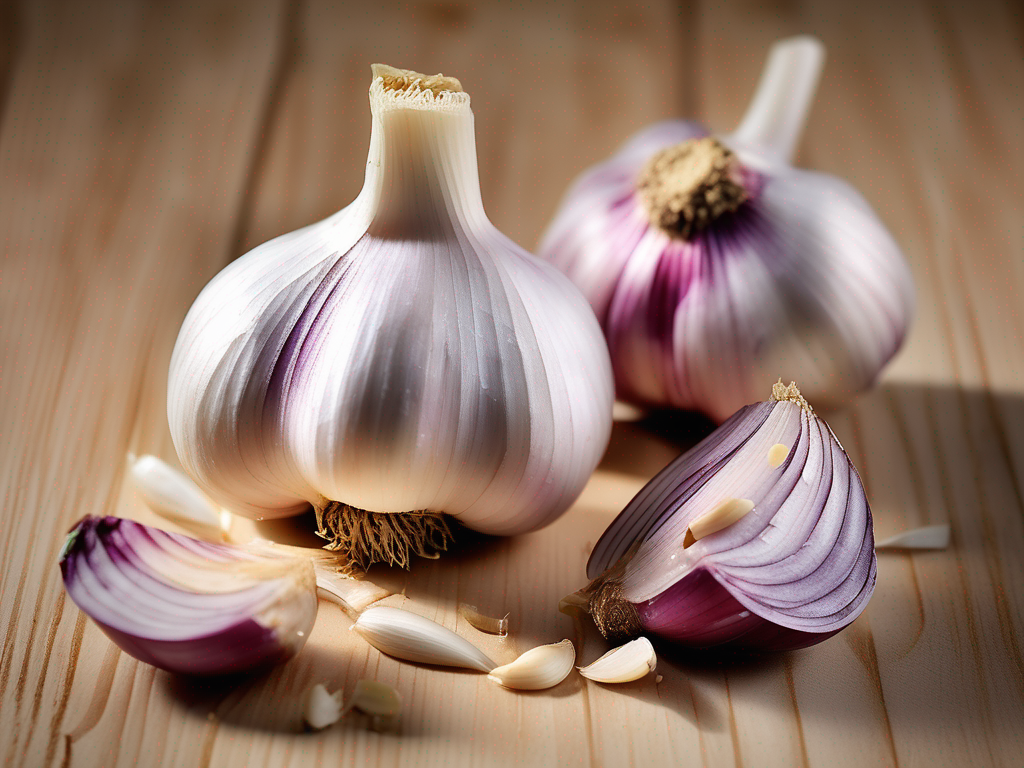
Does Garlic Expire: A Guide to Garlic Storage and Shelf Life
Garlic is a staple ingredient in many cuisines around the world. Its pungent flavor and aroma can enhance the taste of a wide variety of dishes, making it a popular choice for home cooks and professional chefs alike. However, like all food items, garlic does have a shelf life and can expire if not stored properly. In this blog post, we will explore the topic of garlic expiration, including how to store garlic to maximize its shelf life and maintain its quality. (Garlic)
Understanding Garlic Shelf Life
Garlic, like most fresh produce, does not come with a printed expiration date. However, it is still important to understand how long garlic can last before it starts to lose its flavor and nutritional value. Here are some key points to keep in mind:
Factors Affecting Garlic Shelf Life
Several factors can influence the shelf life of garlic:
Dairy products require consistent cold storage to prevent spoilage and bacterial growth. A refrigerator thermometer (Amazon) helps ensure your refrigerator maintains safe temperatures (40°F or below).
- Variety: Some garlic varieties have a longer shelf life than others.
- Storage Conditions: Proper storage is crucial for extending the shelf life of garlic.
- Freshness: Fresh garlic will last longer than garlic that has been sitting on the shelf for a long time.
Signs of Expired Garlic
While garlic does not necessarily "expire" in the same way that other foods do, there are signs that indicate it is no longer fresh and should be discarded:
- Sprouting or softening cloves
- Mold or unusual discoloration
- Off smell or taste
common situation
Imagine you're preparing a delicious Italian dinner, and you reach for that bulb of garlic you bought last week. You peel it open, only to discover that it has started to sprout. Many home cooks may not realize that sprouted garlic is still safe to eat, but it might not taste as good as fresh garlic. In this case, you can plant the sprouted cloves in your garden or pot, allowing you to grow your own garlic for future culinary adventures.
In another situation, let's say a friend is hosting a dinner party and they decide to make a garlic sauce. They've had a bulb of garlic sitting in their pantry for weeks and when they finally cut it open, it has a strange, musty odor. This could be a red flag that the garlic has gone bad. Instead of risking it, they should have checked for freshness first. In both cases, understanding garlic's shelf life not only enhances cooking experiences but also prevents unpleasant surprises.
After opening, transferring dairy into an airtight container (Amazon) can reduce odor absorption, limit moisture exposure, and help slow bacterial growth.
Proper Garlic Storage Tips
To ensure that your garlic stays fresh for as long as possible, follow these storage tips:
1. Store in a Cool, Dark Place
Garlic should be stored in a cool, dark place with good ventilation. Avoid storing garlic in areas that are exposed to heat or sunlight, as this can cause it to spoil more quickly.
2. Use a Breathable Container
Store garlic in a container that allows for air circulation, such as a mesh bag or a garlic keeper. Avoid storing garlic in plastic bags or airtight containers, as this can cause moisture buildup and lead to mold growth.
3. Keep Away from Moisture
Garlic should be kept dry at all times. Moisture can cause garlic to spoil quickly, so make sure to store it in a dry environment and avoid washing the bulbs until you are ready to use them.
4. Do Not Refrigerate Unpeeled Garlic
While peeled garlic cloves can be stored in the refrigerator for a short period, unpeeled garlic bulbs should not be refrigerated. The cold temperature and humidity of the refrigerator can cause garlic to sprout and lose its flavor.
5. Properly Store Cut or Peeled Garlic
If you have leftover peeled or chopped garlic, store it in an airtight container in the refrigerator. Use it within a few days to ensure freshness and prevent spoilage.
6. Consider Freezing Garlic
If you have an abundance of garlic or want to preserve it for an extended period, freezing is an excellent option. To freeze garlic, peel the cloves and either chop them or leave them whole. Place them in a single layer on a baking tray to freeze them individually, then transfer the frozen cloves to an airtight container or freezer bag. This method prevents them from sticking together and allows you to grab just what you need later.
Scientific Context: Nutritional Benefits of Garlic
Garlic is not just a flavor powerhouse; it also boasts several nutritional quality. It contains compounds like allicin, which have been shown to have antimicrobial, anti-inflammatory, and antioxidant properties. These benefits make garlic a valuable addition to your diet, supporting heart health and potentially lowering blood pressure. However, as garlic ages or spoils, the concentration of these beneficial compounds can diminish.
For example, fresh garlic has higher levels of these health-promoting compounds compared to garlic that has started to sprout or show signs of spoilage. So, keeping a close eye on your garlic's freshness can also help you maximize its nutritional quality.
Common Mistakes in Garlic Storage
Many people make common mistakes when it comes to storing garlic, which can lead to spoilage. Here are some to watch out for:
-
Using Plastic Bags: Some people tend to store their garlic in plastic bags, thinking it will keep it fresher for longer. However, this traps moisture and can lead to mold growth. Always opt for breathable containers.
-
Neglecting Whole Bulbs: It's easy to forget about a whole bulb of garlic sitting in the pantry for too long. Unlike peeled or chopped garlic, whole bulbs have a longer shelf life, but they still require periodic checks for sprouting or soft spots.
-
Refrigerating Garlic: As mentioned earlier, refrigeration can cause garlic to sprout. This is especially common if it’s stored near other fruits and vegetables that emit ethylene gas, like bananas and apples. Always keep garlic in a cool, dark place instead.
Expert Insights on Garlic Expiration
Food safety experts emphasize the importance of using your senses when assessing the quality of garlic. If you notice that your garlic has an off-putting smell, is soft to the touch, or has visible mold, it’s best to err on the side of caution and throw it away.
Additionally, it’s advisable to purchase garlic from reputable sources. If you buy from a local farmer's market, ask about the storage methods used. Obtaining garlic that has been stored properly will ensure you maximize its flavor and nutritional quality.
Additional Storage Methods for Garlic
Besides the tips already mentioned, there are a few more storage methods to consider that can extend the life of garlic:
-
Garlic in Oil: Some people enjoy making garlic-infused oil. However, be cautious, as storing garlic in oil at room temperature can create an environment for botulism to develop. If you choose to make garlic oil, it’s best to store it in the refrigerator and consume it within a week.
-
Pickling Garlic: Another fun way to store garlic is by pickling it. This not only preserves the garlic but also adds a tangy flavor that can enhance various dishes. Pickled garlic can be stored in the refrigerator for several months.
Safety Warnings and Considerations
While garlic is relatively safe, it's important to be aware of a few safety considerations:
-
Botulism Risk: As mentioned earlier, storing garlic in oil without proper precautions can lead to botulism, a rare but potentially fatal illness. Always keep it refrigerated and consume it quickly.
-
Allergies: Although uncommon, some individuals may have allergies to garlic. If you’re introducing garlic into your diet for the first time or serving it to guests, keep this in mind.
Conclusion
In conclusion, while garlic does not have a strict expiration date, proper storage is essential for maintaining its quality and flavor. By following the tips outlined in this blog post, you can ensure that your garlic stays fresh for as long as possible. Remember to check for signs of spoilage and discard any garlic that shows signs of deterioration. With the right storage techniques, you can enjoy the delicious taste and aroma of fresh garlic in your culinary creations. Learn more about garlic here. (Garlic)
Related Posts
Here are some other articles you might find helpful:
- Does Sea Salt Expire: Understanding Shelf Life and Storage Tips
- Does Sugar Expire? Understanding Sugar Shelf Life and Storage Tips
- Is Refrigeration Necessary for Unopened Hummus?
- Understanding Cream Cheese Expiration Date: How Long Does Unopened Cream Cheese Last?
- How Long Does Hummus Last After the Expiration Date?
Authoritative Food Safety References
These agencies and university labs inform every tip and health precaution we publish.
USDA FoodKeeper – Cold Storage Guidelines
Official refrigerator, freezer, and pantry timelines maintained by the U.S. Department of Agriculture.
Visit USDA FoodKeeperFDA Produce Safety Rule & Grower Guidance
Field-to-fridge handling practices that prevent contamination of fruits, vegetables, and leafy greens.
Visit FDA Produce SafetyCDC Foodborne Illness Prevention Hub
Surveillance-backed guidance on pathogens, symptoms, and steps to reduce foodborne illness risk.
Visit CDC Food SafetyUC Davis Postharvest Technology Center
University research detailing optimal storage atmospheres for produce after harvest.
Visit UC Davis PostharvestPenn State Extension – Home Food Preservation & Safety
Peer-reviewed extension bulletins on safe canning, chilling, and reheating practices.
Visit Penn State ExtensionDisclosure: As an Amazon Associate, we earn from qualifying purchases. This helps support our site and allows us to continue providing free food safety information.