Does Fish Sauce Expire?
Does Fish Sauce Expire?
Fish sauce is a popular condiment in many Asian cuisines, known for its savory and umami-rich flavor. Whether you use it as a dipping sauce, marinade, or ingredient in your dishes, it's essential to know how to store and handle fish sauce to ensure its quality and safety. In this blog post, we will explore the topic of fish sauce expiration, including how to tell if fish sauce has gone bad and how to properly store it for optimal freshness. (Fish sauce)
Understanding Fish Sauce Expiration
Fish sauce is a fermented product made from fish, salt, and water. Due to its high salt content and fermentation process, fish sauce has a long shelf life compared to many other condiments. However, like any food product, fish sauce can eventually spoil if not stored correctly or if it is past its expiration date.
Signs of Spoiled Fish Sauce
- Unpleasant Odor: Fresh fish sauce has a pungent, briny aroma. If your fish sauce smells off, rancid, or has a foul odor, it may have gone bad.
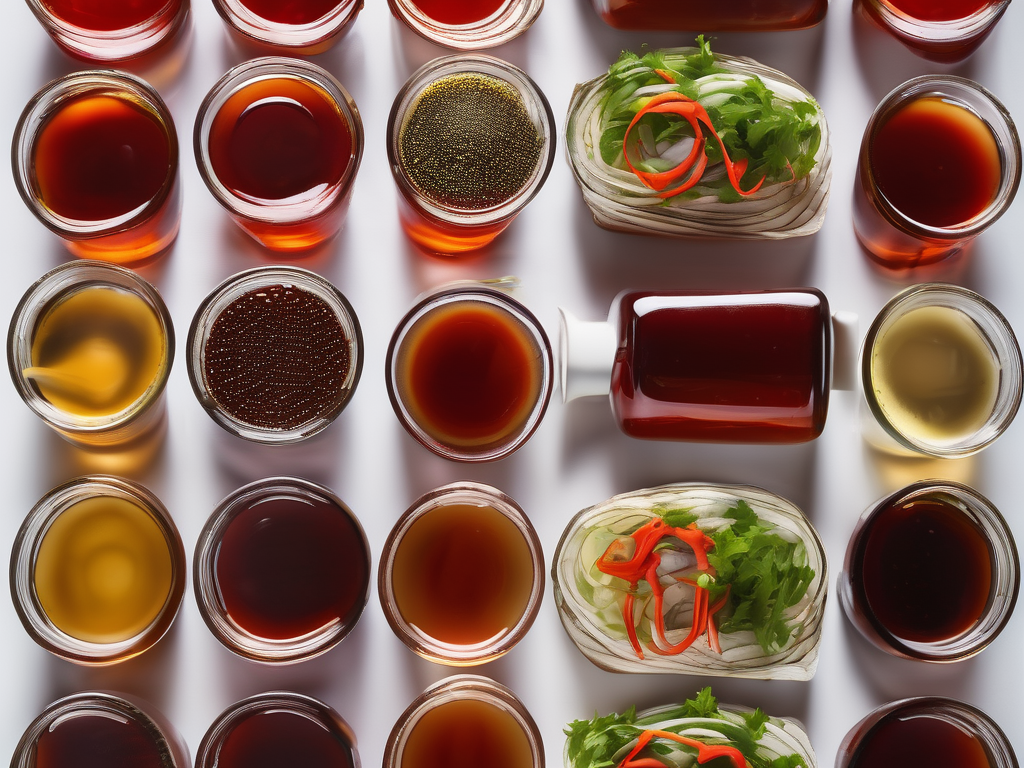
- Strange Color: Fish sauce is typically a dark amber color. If you notice any discoloration or cloudiness in the sauce, it could indicate spoilage.
- Unusual Texture: Fresh fish sauce is thin and liquid. If you see any signs of mold, clumps, or thickening in the sauce, it is best to discard it.
Shelf Life of Fish Sauce
Fish sauce, when stored properly, can last for a long time without spoiling. The shelf life of fish sauce can vary depending on factors such as storage conditions and the quality of the product. Here are some general guidelines to keep in mind:
Seafood is highly perishable and requires consistent cold storage. A refrigerator thermometer (Amazon) helps ensure your refrigerator maintains safe temperatures (40°F or below) to prevent spoilage.
- Unopened Fish Sauce: Unopened bottles of fish sauce can last for several years past the expiration date printed on the label. As long as the bottle remains sealed and stored in a cool, dark place, the fish sauce should remain safe to use.
- Opened Fish Sauce: Once you open a bottle of fish sauce, it is best to consume it within a year for the best quality. However, properly stored opened fish sauce can last for up to 2-3 years without significant degradation in flavor or safety.
Proper Storage of Fish Sauce
To extend the shelf life of your fish sauce and maintain its quality, follow these storage tips:
- Cool and Dark: Store fish sauce in a cool, dark place away from direct sunlight and heat sources. A pantry or kitchen cabinet is an ideal location.
- Tightly Sealed: Make sure the bottle cap is tightly sealed after each use to prevent air exposure and moisture from entering the bottle.
- Refrigeration: While fish sauce does not require refrigeration, storing it in the refrigerator can help preserve its flavor and aroma, especially in hot and humid climates.
Using Expired Fish Sauce
If you suspect that your fish sauce has expired or gone bad, it is best to err on the side of caution and discard it. Using spoiled fish sauce can lead to foodborne illness or an unpleasant dining experience. When in doubt, follow these guidelines:
- Check the Smell: If the fish sauce smells off or rancid, do not use it in your cooking.
- Inspect the Appearance: Discard fish sauce if you notice any signs of mold, unusual color, or texture.
- Taste Test: If you are unsure, you can perform a small taste test. If the fish sauce tastes off or has a strange flavor, it is best to discard it.
common situation
Many people encounter fish sauce in their cooking without knowing how to properly store or use it. Imagine you're hosting a dinner party, and you've just prepared a delicious Thai curry that calls for fish sauce. You proudly take out your well-loved bottle that’s been sitting in the back of your pantry for a while. You pour it into your dish, and just as you're about to serve, you catch a whiff of something off. This is a classic case where understanding the signs of spoilage could save your meal—and your guests—from an unpleasant experience.
Proper packaging is crucial when freezing seafood. Using freezer-safe storage bags (Amazon) helps preserve texture, prevent freezer burn, and maintain quality during storage.
In another situation, a home cook may decide to experiment with new recipes involving fish sauce, only to realize that they have an older bottle they forgot about. They taste a small amount before adding it to their dish and find that it's lost its robust flavor. This is why keeping track of expiration dates and spoilage signs is crucial, especially for those who frequently use this condiment in their cooking.
Scientific Context
Understanding the science behind fish sauce can enhance your appreciation of this savory staple. The fermentation process not only gives fish sauce its distinct flavor but also contributes to its preservation. Fish sauce typically boasts a high sodium content, which acts as a natural preservative by inhibiting the growth of harmful microorganisms. This is why it can last so long on your pantry shelf. However, just because a product is fermented doesn't mean it lasts indefinitely. Over time, the flavor compounds can break down, leading to a less appealing taste even if the sauce is still technically safe to consume.
Practical Tips
- Label Your Bottles: When you purchase fish sauce, consider labeling the bottle with the date you opened it. This simple step can help you keep track of its freshness and remind you when it's time to use or discard it.
- Use in Moderation: Fish sauce is potent, so a little goes a long way. If your recipe calls for a significant amount, taste as you go to ensure that the flavor remains balanced and pleasing.
- Mix with Other Ingredients: If you find that your fish sauce has lost some of its punch, consider blending it with other umami-rich ingredients, such as soy sauce or miso, to revive the flavor in your dishes.
Common Mistakes
Many people assume that fish sauce is fine indefinitely as long as it remains sealed. This is a misconception; while it may not pose an immediate health risk, the flavor can deteriorate over time. Another mistake is failing to store opened fish sauce properly. Leaving it exposed to air or sunlight can accelerate the spoilage process, resulting in a product that may not be safe or enjoyable.
Also, some home cooks may overlook the importance of checking for spoilage signs after extended storage. Just because it looks fine doesn’t mean it is. Always trust your senses—smell, sight, and taste—when evaluating whether to use an older bottle of fish sauce.
Expert Insights
Food safety experts recommend that always err on the side of caution. If you have any doubts about the quality of your fish sauce, it’s better to throw it away than risk foodborne illness. When storing fish sauce, try to buy smaller bottles if you don’t use it frequently. This way, you can minimize waste and ensure that you're using fresh ingredients in your cooking. Additionally, consider keeping fish sauce in a dedicated space in your pantry, away from other strong-smelling items, to maintain its unique flavor profile.
Safety Warnings
Remember that food safety is paramount. If you’re ever unsure about the state of your fish sauce, don’t hesitate to discard it. Consuming spoiled fish sauce can lead to foodborne illnesses, which can be serious. Always prioritize your health and well-being in the kitchen.
Conclusion
In conclusion, fish sauce is a versatile and flavorful condiment that can enhance a wide range of dishes. By understanding how to properly store and handle fish sauce, you can enjoy its unique taste and benefits for an extended period. Remember to check for signs of spoilage, follow proper storage guidelines, and use your senses to determine if fish sauce is still safe to consume. When in doubt, it is always best to discard fish sauce that has expired or shows signs of spoilage to ensure your health and safety. (Fish sauce)
Related Posts
Here are some other articles you might find helpful:
Authoritative Food Safety References
These agencies and university labs inform every tip and health precaution we publish.
USDA FoodKeeper – Cold Storage Guidelines
Official refrigerator, freezer, and pantry timelines maintained by the U.S. Department of Agriculture.
Visit USDA FoodKeeperFDA Produce Safety Rule & Grower Guidance
Field-to-fridge handling practices that prevent contamination of fruits, vegetables, and leafy greens.
Visit FDA Produce SafetyCDC Foodborne Illness Prevention Hub
Surveillance-backed guidance on pathogens, symptoms, and steps to reduce foodborne illness risk.
Visit CDC Food SafetyUC Davis Postharvest Technology Center
University research detailing optimal storage atmospheres for produce after harvest.
Visit UC Davis PostharvestPenn State Extension – Home Food Preservation & Safety
Peer-reviewed extension bulletins on safe canning, chilling, and reheating practices.
Visit Penn State ExtensionDisclosure: As an Amazon Associate, we earn from qualifying purchases. This helps support our site and allows us to continue providing free food safety information.