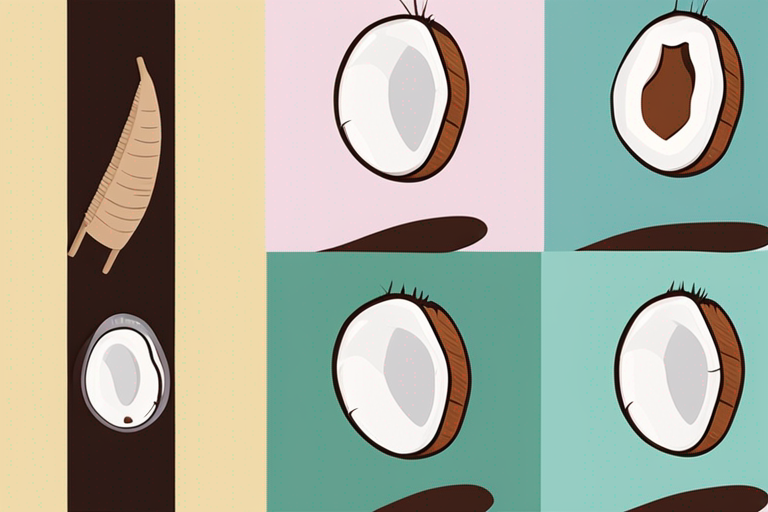
Does Dried Coconut Go Bad: A Comprehensive Guide
CanIEatExpired.com Team
# Does Dried Coconut Go Bad: A Comprehensive Guide

Dried coconut is a delicious and versatile ingredient commonly used in various dishes and desserts. However, like any other food product, dried coconut can go bad if not stored properly. In this blog post, we will explore the shelf life of dried coconut, signs of spoilage, proper storage methods, and tips to ensure its freshness.

## How Long Does Dried Coconut Last?

Dried coconut typically has a long shelf life due to its low moisture content. However, it is essential to store it correctly to maintain its quality and prevent it from going bad. Here are some general guidelines on the shelf life of different types of dried coconut:

### Shredded or Flaked Dried Coconut:
- Unopened package: Up to 1 year
- Opened package: 6-12 months

### Desiccated Coconut:
- Unopened package: Up to 2 years
- Opened package: 6-12 months

### Coconut Chips or Strips:
- Unopened package: Up to 1 year
- Opened package: 6-12 months

## Signs of Spoiled Dried Coconut

It is crucial to check for signs of spoilage before consuming dried coconut to ensure food safety. Here are some indicators that your dried coconut may have gone bad:

### Visual Changes:
- Mold or discoloration on the surface
- Unusual texture or clumping

### Smell:
- Rancid or sour odor

### Taste:
- Bitter or off-flavor

If you notice any of these signs, it is best to discard the dried coconut to avoid any potential health risks.

## Proper Storage Methods

Proper storage is key to extending the shelf life of dried coconut and maintaining its freshness. Follow these guidelines to store dried coconut correctly:

1. **Store in a Cool, Dry Place**: Keep dried coconut in an airtight container away from heat and moisture.
2. **Avoid Exposure to Sunlight**: Store dried coconut in a dark place to prevent UV light from causing deterioration.
3. **Refrigeration**: While not necessary, refrigerating dried coconut can help prolong its freshness, especially in hot and humid climates.
4. **Freezing**: Dried coconut can be frozen for long-term storage. Place it in a sealed freezer bag to prevent freezer burn.

## Tips for Ensuring Freshness

To ensure that your dried coconut stays fresh for as long as possible, consider the following tips:

- Use airtight containers or resealable bags to store dried coconut.
- Label containers with the purchase or opening date to track freshness.
- Keep dried coconut away from strong-smelling foods to prevent flavor absorption.
- Rotate stock by using older dried coconut first to maintain freshness.

## common situation

### situation 1: Baking for a Birthday Party

Imagine it’s your best friend’s birthday, and you decide to bake a coconut cake using dried coconut. You’ve had a bag of shredded coconut sitting in your pantry for a while. Before you start baking, you take a moment to check it. You see clumping and a bit of discoloration. Remembering the signs of spoilage, you decide to toss it and purchase a new bag. The fresh coconut elevates your cake, and your friend loves it. If you hadn’t checked, your cake might have had a funky taste instead!

### situation 2: Making a Tropical Smoothie

You’re in the mood for a refreshing tropical smoothie and reach for a bag of coconut chips from your cupboard. Upon smelling the bag, you notice a rancid odor. You hesitate, recalling that dried coconut should have a pleasant, sweet aroma. Instead of risking it, you opt for fresh fruits and yogurt instead, avoiding a potentially unpleasant experience.

### situation 3: DIY Granola Bars

Planning to make granola bars for your kids' lunchboxes, you pull out a jar of desiccated coconut. You find it looks perfectly fine, but since it’s been in your pantry for a while, you taste a bit to check. The flavor is stale, which prompts you to reconsider. Instead, you grab a new jar, ensuring that your granola bars are not only nutritious but also bursting with flavor.

### situation 4: Coconut-Infused Curry Night

You're excited to prepare a coconut-infused curry for dinner. As you gather your ingredients, you remember an unopened bag of desiccated coconut in the back of the pantry. You check it, and while the package is sealed, you notice the 'best by' date was over a year ago. You decide to open it and give it a sniff. A faint, off smell fills the air, confirming your suspicion that it has likely gone bad. Rather than risk ruining the dish, you head to the store for a fresh pack. This not only saves your dinner but also helps avoid any unpleasant surprises!

## Scientific Context

Understanding why dried coconut can spoil is essential for food safety. The primary reason is rancidity, which occurs when the fats in coconut oxidize. Dried coconut is rich in healthy fats, but once exposed to air, heat, or moisture, these fats can break down, leading to off-flavors and odors.

The low moisture content of dried coconut is what gives it a longer shelf life compared to other coconut products, but it’s still susceptible to microbial growth if moisture is introduced. This is why airtight storage is so crucial.

### Nutritional Benefits

Dried coconut is not just a tasty addition to your recipes; it also packs a nutritional punch. It is rich in dietary fiber, which aids digestion, and contains significant amounts of iron, potassium, and magnesium. Additionally, its high-fat content primarily comes from medium-chain triglycerides (MCTs), which some studies suggest may support metabolism and brain health.

Furthermore, dried coconut contains antioxidants that help combat oxidative stress in the body. Including dried coconut in your diet may also help you feel fuller for longer, potentially aiding in weight management efforts.

## Common Mistakes

Many people don't realize that dried coconut can spoil, leading to the misconception that it lasts indefinitely. Here are a few common mistakes to avoid:

- **Storing in the Original Packaging**: The packaging may not be airtight, inviting moisture and air that lead to spoilage.
- **Ignoring Expiration Dates**: While dried coconut can last a long time, it’s still important to respect expiration dates. Just because it looks fine doesn’t mean it’s safe.
- **Not Checking Storage Conditions**: Many assume a cool, dry place is sufficient. It's essential to keep it away from heat sources like ovens or direct sunlight.
- **Confusing Different Types of Coconut**: It's important to know the differences between shredded, desiccated, and coconut chips, as each has unique storage requirements and shelf life.

## Expert Insights

As a food safety expert, I recommend regularly checking your pantry for items like dried coconut. Use a FIFO (First In, First Out) system to rotate your supplies, ensuring older items are used first. When purchasing dried coconut, look for brands that use minimal preservatives and check for freshness dates on the packaging.

Additionally, if you're buying in bulk, consider portioning out smaller amounts in airtight containers. This not only helps maintain freshness but also allows you to access smaller quantities as needed without exposing the entire bulk to air repeatedly.

It's also wise to purchase from reputable suppliers who prioritize quality. Sometimes, cheaper brands can compromise on the freshness or quality of the coconut, leading to quicker spoilage.

## More Storage Methods

Let’s dive deeper into effective storage techniques for your dried coconut:

- **Vacuum Sealing**: If you have a vacuum sealer, consider vacuum-sealing your dried coconut. This method can significantly extend its shelf life by removing air, which slows down oxidation.
- **Mason Jars**: Glass containers like mason jars are excellent for storing dried coconut. They provide a tight seal and protect against moisture and pests. Plus, they’re reusable and eco-friendly!
- **Oxygen Absorbers**: If storing long-term, you might want to add oxygen absorbers to your storage container. These little packets absorb the oxygen in the bag, further preventing spoilage.
- **Desiccant Packs**: Placing silica gel packets in your storage containers can help absorb any residual moisture, ensuring your coconut stays dry and fresh even longer.

## Safety Warnings

While dried coconut is generally safe to eat, there are a few important cautions to keep in mind:

- **Allergies**: Some individuals may have allergies to coconut. If you're unsure whether you or someone else might have a coconut allergy, it’s best to consult a healthcare professional before consuming it.
- **Cross-contamination**: If you use dried coconut in recipes involving raw ingredients, be cautious about cross-contamination. Always use clean utensils and surfaces to prevent any foodborne illness.
- **Consumption of Expired Products**: Even if dried coconut looks and smells fine, consuming it past its expiration date can pose health risks. Always err on the side of caution.

## Conclusion

In conclusion, dried coconut can go bad if not stored properly. By following the guidelines outlined in this blog post, you can extend the shelf life of your dried coconut and enjoy its delicious flavor in various dishes and recipes. Remember to check for signs of spoilage, store it in a cool, dry place, and follow practical tips for maintaining freshness. With the right storage methods and precautions, your dried coconut can remain fresh and flavorful for an extended period. Whether you’re using it in baking, cooking, or snacking, keeping your coconut safe is key to enjoying all its wonderful benefits.
Authoritative Food Safety References
These agencies and university labs inform every tip and health precaution we publish.
USDAOfficial guidance
USDA FoodKeeper – Cold Storage Guidelines
Official refrigerator, freezer, and pantry timelines maintained by the U.S. Department of Agriculture.
Visit USDA FoodKeeperFDAOfficial guidance
FDA Produce Safety Rule & Grower Guidance
Field-to-fridge handling practices that prevent contamination of fruits, vegetables, and leafy greens.
Visit FDA Produce SafetyCDCOfficial guidance
CDC Foodborne Illness Prevention Hub
Surveillance-backed guidance on pathogens, symptoms, and steps to reduce foodborne illness risk.
Visit CDC Food SafetyResearchUniversity research
UC Davis Postharvest Technology Center
University research detailing optimal storage atmospheres for produce after harvest.
Visit UC Davis PostharvestResearchUniversity research
Penn State Extension – Home Food Preservation & Safety
Peer-reviewed extension bulletins on safe canning, chilling, and reheating practices.
Visit Penn State Extension❓
Frequently Asked Questions
Can dried coconut go bad?
Yes, dried coconut can go bad if not stored properly. It is important to keep it in an airtight container in a cool, dry place to prevent it from spoiling. Check for any signs of mold, off smell, or taste before consuming.
How long does dried coconut last?
Dried coconut can last for up to 6 months when stored correctly in a sealed container in a cool, dry place. It is best to check the expiration date on the package and use it before that date for the best quality and taste.
How can I tell if dried coconut has gone bad?
You can tell if dried coconut has gone bad by checking for any signs of mold, a rancid smell, or a sour taste. If you notice any of these indicators, it is best to discard the dried coconut to avoid any potential foodborne illnesses.
Can I freeze dried coconut to extend its shelf life?
Yes, you can freeze dried coconut to extend its shelf life. Place the dried coconut in an airtight container or freezer bag before freezing it. When ready to use, allow it to thaw in the refrigerator before incorporating it into your recipes.
Is it safe to eat dried coconut past its expiration date?
It is not recommended to eat dried coconut past its expiration date as it may have lost its quality and could potentially be spoiled. To ensure food safety, it is best to follow the expiration date on the package and discard any dried coconut that is past its prime.
📚
Citations
Disclosure: As an Amazon Associate, we earn from qualifying purchases. This helps support our site and allows us to continue providing free food safety information.
Our articles are created using a combination of AI assistance and human review. All food safety information is based on USDA guidelines and credible sources. Learn more about our review process here.