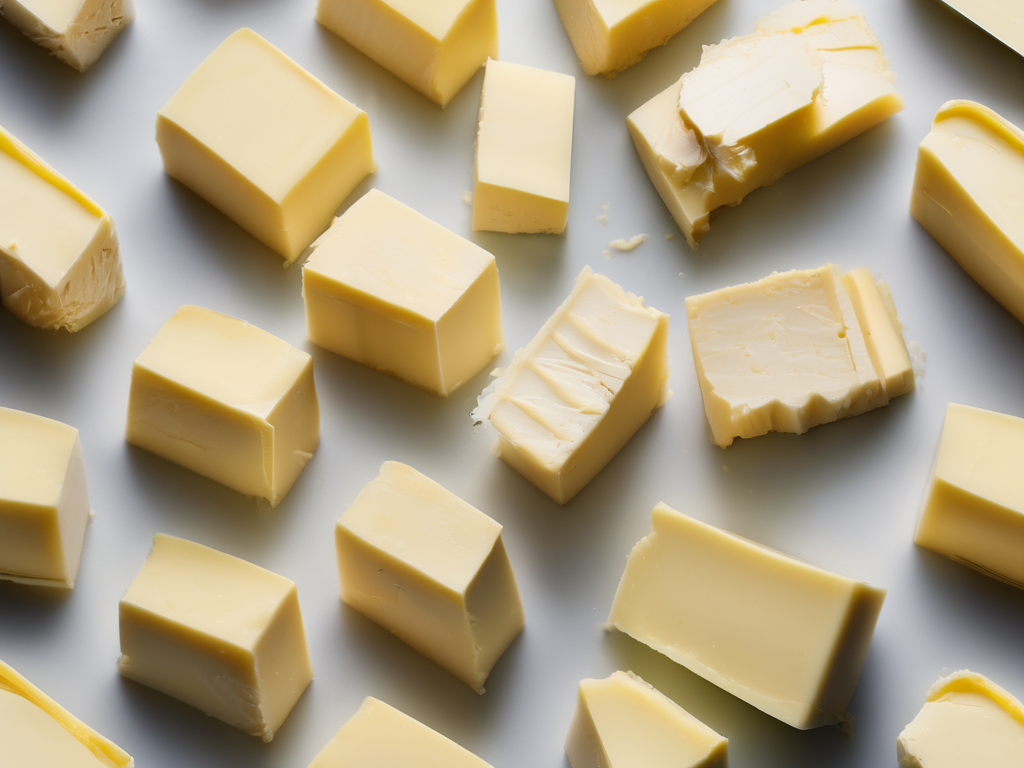
Butter Expiration: Does Butter Expire?
CanIEatExpired.com Team
# Butter Expiration: Does Butter Expire?

Butter is a staple ingredient in many kitchens around the world, loved for its rich flavor and versatility in cooking and baking. However, like all food products, butter does have a limited shelf life. In this blog post, we will explore the expiration of butter, how to properly store it, and tips for ensuring its safety and quality. ([Butter](https://canieatexpired.com/food/butter))

## Does Butter Expire?

Butter does have an expiration date, although it may not be as straightforward as with other perishable items. Here are some key points to consider:

### Factors Affecting Butter's Shelf Life

1. **Type of Butter**: The type of butter can impact its shelf life. Unsalted butter tends to have a shorter shelf life than salted butter due to the absence of salt, which acts as a preservative.

2. **Storage Conditions**: Proper storage is crucial for extending the shelf life of butter. Exposure to light, heat, and air can cause butter to spoil more quickly.

3. **Quality of Butter**: Higher quality butter made from fresh cream may have a longer shelf life compared to lower quality butter made from processed ingredients.

### Understanding Butter Expiration Dates

1. **Best By Date**: Butter typically has a "best by" date printed on the packaging. This date indicates the period during which the butter is expected to be at its peak quality in terms of flavor and texture.

2. **Expiration Date**: While butter can still be safe to consume after the "best by" date, it may start to lose its freshness and flavor over time. It is important to check for any signs of spoilage before using expired butter.

## Proper Storage of Butter

Proper storage is key to extending the shelf life of butter and maintaining its quality. Here are some tips for storing butter:

### Room Temperature Storage

1. **Butter Dish**: If you use butter frequently, storing it in a butter dish at room temperature is suitable. However, ensure the dish has a lid to protect the butter from exposure to air and odors.

2. **Covered Container**: If the room temperature is cool and consistent, you can keep butter in a covered container on the counter for short periods.

### Refrigerator Storage

1. **Original Packaging**: Store butter in its original packaging or wrap it tightly in foil or parchment paper to protect it from absorbing odors from other foods in the refrigerator.

2. **Butter Keeper**: Consider using a butter keeper or butter dish with a lid in the refrigerator to maintain freshness.

### Freezing Butter

1. **Freezing Butter**: Butter can be frozen to extend its shelf life. Wrap butter tightly in plastic wrap or aluminum foil before placing it in a freezer-safe container.

2. **Thawing Butter**: When ready to use frozen butter, thaw it in the refrigerator overnight for best results.

## Signs of Spoiled Butter

It is important to be able to identify when butter has gone bad to avoid consuming spoiled food. Here are some signs that butter may have spoiled:

- **Off Odor**: Butter that smells rancid or sour is likely spoiled.
- **Discoloration**: Any unusual colors or mold growth on the surface of the butter indicate spoilage.
- **Texture Changes**: Butter that has become excessively soft, greasy, or grainy may be spoiled.

## common situation

### situation 1: The Family Baker

Imagine you're preparing a batch of cookies for your child's school bake sale. You pull out a stick of butter from the fridge, only to discover that it smells off and has an odd texture. After some investigation, you realize that the butter has been in the fridge for months, and you didn't pay attention to the "best by" date. This is a classic example of how easy it is to overlook butter's shelf life, especially in busy households. Using spoiled butter could ruin not only your cookies but also the event for your child!

### situation 2: The Dinner Party Host

You’re hosting a dinner party and plan to make an elaborate meal featuring a rich butter sauce. You find a forgotten tub of butter in the back of your fridge, and it looks fine. However, when you taste it, the flavor is stale, and it lacks the creamy richness you anticipated. This emphasizes the importance of regularly checking your pantry and fridge items, ensuring you have fresh ingredients for your culinary adventures.

### situation 3: The Baker's Dilemma

A baker who frequently works with butter may sometimes go through large quantities quickly, but what happens when they buy a bulk pack on sale? They might save some for later, forgetting how long it has been in the freezer. Fast forward a few months, and they pull it out for a big baking session, only to find that it smells rancid. This situation serves as a reminder that even frozen ingredients can lose quality over time, and keeping track of your inventory is crucial.

## Scientific Context of Butter Expiration

Butter is made from cream, which is primarily composed of fat, water, and small amounts of protein and sugars. The composition plays a significant role in its shelf life. The fats in butter can oxidize and become rancid when exposed to air, light, or high temperatures, leading to spoilage. Salt, found in salted butter, can inhibit the growth of bacteria and mold, further extending its shelf life.

It's also worth noting that the method of production can affect butter's longevity. For instance, cultured butter, which contains live bacteria, can have a different flavor profile and potentially a different shelf life compared to regular butter. Understanding these scientific principles helps in making informed choices about butter storage and usage.

## Common Mistakes in Butter Storage

1. **Not Checking Dates**: One common mistake is neglecting to check the "best by" or expiration dates. Many people assume that butter can last indefinitely when it’s actually best used within a specific timeframe for optimal flavor.

2. **Improper Wrapping**: Many consumers think that keeping butter in its original packaging is enough, but this can lead to it absorbing other odors in the fridge. Proper wrapping in foil or airtight containers is essential.

3. **Leaving Butter Uncovered**: While it’s tempting to leave butter out for easy access, uncovered butter can easily absorb odors and flavors from the environment, which isn’t ideal for taste.

4. **Freezing Large Quantities**: While freezing butter can extend its shelf life, freezing very large quantities can lead to neglect. Labeling and dating butter before freezing can help prevent this problem.

## Practical Tips for Keeping Butter Fresh

1. **Use Smaller Portions**: If you buy butter in bulk, consider dividing it into smaller portions before freezing. This way, you only thaw what you need, minimizing exposure to air and light.

2. **Monitor Temperature**: If you choose to store butter at room temperature, ensure it is in a cool, dark area away from direct sunlight and heat sources such as the stove.

3. **Taste Test**: Don't hesitate to perform a quick taste test before using butter that’s been in your fridge or freezer for a while. If it tastes off, it’s best to discard it.

4. **Keep it Sealed**: Always keep butter sealed when not in use. If you frequently use butter, consider investing in a butter bell or a dedicated butter dish with a lid to maintain its freshness.

5. **Educate Family Members**: Make sure everyone in your household understands how to recognize signs of spoilage and the importance of checking dates. This ensures that you can all enjoy butter safely.

## Expert Insights

Food safety experts emphasize the importance of not just checking expiration dates but also relying on your senses. The visual, olfactory, and taste tests mentioned earlier are crucial. Furthermore, it’s recommended that consumers familiarize themselves with the differences between various types of butter—such as organic, grass-fed, or conventional—to make informed choices that align with their culinary and health goals.

### Safety Warnings

Be cautious with butter that has been left out for extended periods. While salted butter may last longer at room temperature, it's best to avoid keeping it out for more than a week. Always err on the side of caution when it comes to food safety—if in doubt, throw it out.

## Conclusion

In conclusion, butter does have an expiration date, but proper storage and handling can help extend its shelf life. By understanding the factors that affect butter's freshness, storing it correctly, and recognizing signs of spoilage, you can enjoy butter safely and deliciously in your culinary creations. Remember to check the [butter](/food/butter) regularly and use it before it loses its quality. ([Butter](https://canieatexpired.com/food/butter))

## Related Posts

Here are some other articles you might find helpful:

- [Is Frosting Good After the Expiration Date?](/blog/is-frosting-good-after-expiration-date)
- [Do Pickles Expire if Unopened?](/blog/do-pickles-expire-if-unopened)
- [The Ultimate Guide to Greek Yogurt Expiration After Opening](/blog/greek-yogurt-expiration-after-opening)
- [What Happens When Peanut Butter Expires](/blog/what-happens-when-peanut-butter-expires)
- [Does Extra Virgin Coconut Oil Expire?](/blog/does-extra-virgin-coconut-oil-expire)
Authoritative Food Safety References
These agencies and university labs inform every tip and health precaution we publish.
USDAOfficial guidance
USDA FoodKeeper – Cold Storage Guidelines
Official refrigerator, freezer, and pantry timelines maintained by the U.S. Department of Agriculture.
Visit USDA FoodKeeperFDAOfficial guidance
FDA Produce Safety Rule & Grower Guidance
Field-to-fridge handling practices that prevent contamination of fruits, vegetables, and leafy greens.
Visit FDA Produce SafetyCDCOfficial guidance
CDC Foodborne Illness Prevention Hub
Surveillance-backed guidance on pathogens, symptoms, and steps to reduce foodborne illness risk.
Visit CDC Food SafetyResearchUniversity research
UC Davis Postharvest Technology Center
University research detailing optimal storage atmospheres for produce after harvest.
Visit UC Davis PostharvestResearchUniversity research
Penn State Extension – Home Food Preservation & Safety
Peer-reviewed extension bulletins on safe canning, chilling, and reheating practices.
Visit Penn State ExtensionDisclosure: As an Amazon Associate, we earn from qualifying purchases. This helps support our site and allows us to continue providing free food safety information.
Our articles are created using a combination of AI assistance and human review. All food safety information is based on USDA guidelines and credible sources. Learn more about our review process here.