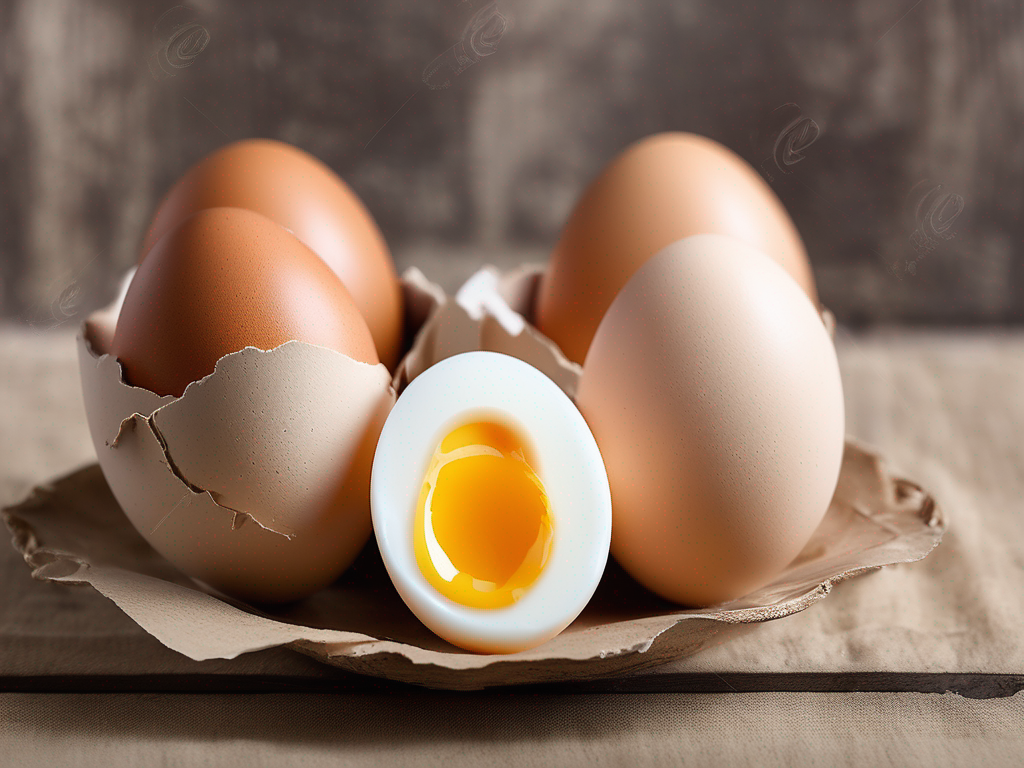
Are Eggs Safe to Eat After the Expiry Date in the Refrigerator?
Are Eggs Safe to Eat After the Expiry Date in the Refrigerator?
Eggs are a staple in many households and are a versatile ingredient used in various recipes. However, there is often confusion about whether eggs are safe to eat after the expiration date when stored in the refrigerator. In this blog post, we will delve into the topic of egg expiration, how to properly store eggs, and whether it is safe to consume them after the expiry date. (Eggs)
Understanding Egg Expiration Dates
Eggs typically come with two different dates stamped on the carton: the "sell-by" date and the "use-by" or "expiration" date. It is important to understand the distinction between these dates:
- Sell-By Date: This date is provided to retailers to indicate the last day the eggs should be sold. It is not an indication of the egg's freshness or safety.
- Use-By/Expiration Date: This date is the manufacturer's recommendation for consuming the eggs for the best quality and taste. It is generally safe to eat eggs within a few weeks after this date if stored properly.
How Long Do Eggs Last in the Refrigerator?
The shelf life of eggs can vary depending on how they are stored. Here is a general guideline for the freshness of eggs when stored in the refrigerator:
Dairy products require consistent cold storage to prevent spoilage and bacterial growth. A refrigerator thermometer (Amazon) helps ensure your refrigerator maintains safe temperatures (40°F or below).
- Raw Eggs (in shell): Raw eggs can be stored in the refrigerator for 3-5 weeks beyond the "sell-by" date.
- Hard-Boiled Eggs: Hard-boiled eggs should be consumed within one week of cooking.
- Egg Whites: Egg whites can be stored in the refrigerator for up to 4 days.
- Egg Yolks: Egg yolks should be consumed within 2 days if stored in the refrigerator.
Proper Egg Storage Tips
To ensure the safety and quality of your eggs, it is essential to store them correctly. Here are some practical tips for storing eggs in the refrigerator:
- Refrigerate Eggs Promptly: Always refrigerate eggs promptly after purchasing them to maintain their freshness.
- Store Eggs in the Original Carton: Eggs should be stored in their original carton to protect them from absorbing odors and flavors from other foods in the refrigerator.
- Keep Eggs in the Coldest Part of the Fridge: Store eggs in the main body of the refrigerator, not in the door where temperatures fluctuate.
- Avoid Washing Eggs: Washing eggs can remove the protective coating on the shell, making them more susceptible to bacteria. Only wash eggs just before using them.
- Check for Freshness: To test the freshness of an egg, place it in a bowl of water. Fresh eggs sink to the bottom, while older eggs will float or stand on one end.
common situation
In the kitchen, the question of whether eggs are safe to eat after the expiry date can come up in various situation.
situation 1: The Busy Parent
Common situations include parent who finds themselves reaching for eggs to whip up breakfast on a Saturday morning. They discover they're a week past the expiration date but remember reading somewhere that eggs can still be good. Instead of tossing them out, they perform the float test. To their relief, the eggs sink, and they feel confident making a delicious omelet for their family.
After opening, transferring dairy into an airtight container (Amazon) can reduce odor absorption, limit moisture exposure, and help slow bacterial growth.
situation 2: The College Student
Common situations include student who’s living on a tight budget. They've bought a carton of eggs that’s now two weeks past the expiration date. They’re tempted to throw them away but decide to give the sniff test a try first. Not only do the eggs smell fine, but they also look good upon cracking them open. They cook up a quick meal, savoring their thriftiness along with their breakfast.
situation 3: The Culinary Enthusiast
Lastly, picture a culinary enthusiast who loves to bake. They have a recipe that calls for eggs, but the carton has been sitting in the back of the fridge for a while, and the sell-by date was two weeks ago. Instead of immediately resorting to a new dozen, they check the eggs using the float and sniff tests. Satisfied with their condition, they proceed to bake a delightful soufflé, proving that a little caution can go a long way.
Is it Safe to Eat Eggs After the Expiry Date?
The expiry date on the egg carton is a guideline for the best quality and taste of the eggs. However, eggs are often safe to consume beyond this date if stored properly. Here are some indicators to determine if an egg is still safe to eat:
- Sniff Test: If the egg smells unpleasant or rotten, discard it.
- Visual Inspection: Check for any signs of mold, unusual color, or texture changes in the egg white or yolk.
- Float Test: If you are unsure about the freshness of an egg, perform a float test by placing it in a bowl of water. If it floats, it may not be fresh.
Scientific Context
Understanding the science behind egg preservation can provide valuable insights into their safety after the expiration date. Eggs have a natural protective coating that helps keep out bacteria. When stored in the fridge, this coating helps maintain freshness by slowing down the aging process. To extend the shelf life, the U.S. Department of Agriculture (USDA) recommends maintaining a consistent refrigerator temperature of 40°F (4°C) or lower.
Additionally, the pH level of egg whites increases as the egg ages, making it less viscous and giving it a cloudy appearance. This change is a natural occurrence and is not necessarily an indicator of spoilage. However, the clarity and firmness of the egg whites can help you judge the egg's freshness.
Practical Tips for Using Older Eggs
If you find yourself with older eggs, there are ways to safely utilize them without compromise:
-
Cook Thoroughly: Always ensure that your eggs are cooked thoroughly, especially if they are older. This means avoiding sunny-side-up or soft-boiled eggs and opting for scrambled or hard-boiled instead.
-
Baking: Use older eggs in baked goods where their quality may be masked by other ingredients. Cakes and muffins often benefit from the moisture and flavor eggs provide, even if they are nearing their expiration.
-
Egg Drop Soup: Consider making a comforting egg drop soup, where the eggs are whisked and added to hot broth. This method cooks the eggs quickly, ensuring safety.
-
Creating a Frittata: Use older eggs in a frittata mixed with plenty of vegetables and cheese. The cooking process will heighten the flavors, making the meal hearty and enjoyable.
-
Freezing Eggs: If you have a surplus of eggs nearing their expiration date, consider cracking them open and freezing them. Processed eggs can last for several months in the freezer. Just remember to whisk them beforehand, as they will separate when frozen.
Common Mistakes About Egg Expiration
Many people may not realize the following common misconceptions regarding eggs and their expiration dates:
- Assuming All Eggs Are Bad After Expiration: As discussed, eggs can be safe to eat after their expiration date if stored properly.
- Not Using the Float Test: Some automatically discard eggs without considering simple tests to check freshness, leading to unnecessary waste.
- Misjudging Egg Quality: People often mistake the appearance of an egg for freshness. For instance, a cloudy egg white is a sign of an aging egg but not necessarily a spoiled one.
Expert Insights
Food safety experts emphasize the importance of awareness in egg storage and consumption. Food safety guidance from public health agencies, a food safety professor, notes that many consumers are overly cautious about egg expiration dates. “I often encourage people to trust their senses. If an egg looks and smells fine, it often is fine to eat,” she adds.
Additionally, she stresses that education about proper refrigeration practices can significantly reduce food waste. “Keeping your refrigerator temperature consistent is key,” Food safety guidance from public health agencies explains, reiterating that eggs are a safe and nutritious option even after their sell-by dates.
Safety Warnings
While many eggs can be consumed safely after their expiration date, it is essential to heed some safety warnings:
- Discard Any Suspicious Eggs: When in doubt, it’s better to err on the side of caution. If an egg has an off-putting smell or a questionable appearance, it is best to discard it.
- Check the Carton: Ensure the eggs are intact before purchase. Cracked or damaged eggs can introduce bacteria to the contents.
- Watch for Allergies: Be mindful of anyone with egg allergies in your household. Even fresh eggs can pose a risk if allergies are present.
Conclusion
In conclusion, eggs can typically be consumed after the expiry date if stored correctly in the refrigerator. By following proper storage guidelines and conducting simple freshness tests, you can enjoy eggs safely even after the expiration date. Remember to prioritize food safety and quality when handling eggs in your kitchen.
For more information on eggs and other food safety tips, visit our eggs page. Stay informed and enjoy your favorite recipes with confidence! (Eggs)
Related Posts
Here are some other articles you might find helpful:
Authoritative Food Safety References
These agencies and university labs inform every tip and health precaution we publish.
USDA FoodKeeper – Cold Storage Guidelines
Official refrigerator, freezer, and pantry timelines maintained by the U.S. Department of Agriculture.
Visit USDA FoodKeeperFDA Produce Safety Rule & Grower Guidance
Field-to-fridge handling practices that prevent contamination of fruits, vegetables, and leafy greens.
Visit FDA Produce SafetyCDC Foodborne Illness Prevention Hub
Surveillance-backed guidance on pathogens, symptoms, and steps to reduce foodborne illness risk.
Visit CDC Food SafetyUC Davis Postharvest Technology Center
University research detailing optimal storage atmospheres for produce after harvest.
Visit UC Davis PostharvestPenn State Extension – Home Food Preservation & Safety
Peer-reviewed extension bulletins on safe canning, chilling, and reheating practices.
Visit Penn State ExtensionDisclosure: As an Amazon Associate, we earn from qualifying purchases. This helps support our site and allows us to continue providing free food safety information.