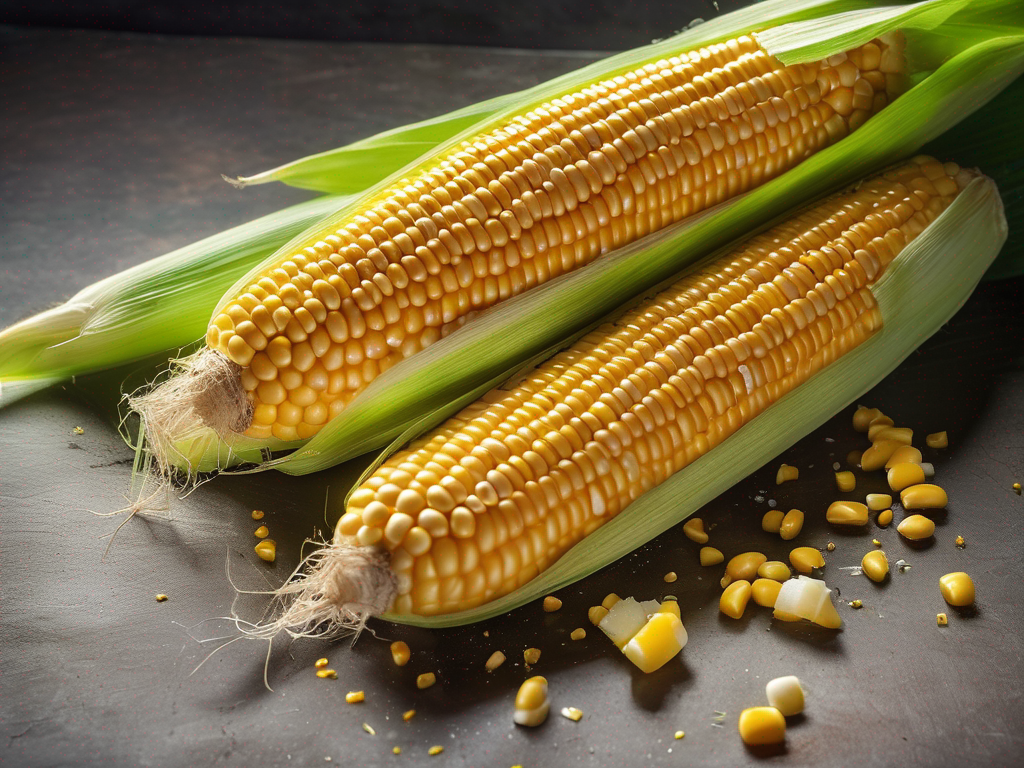
Do Corn Tortillas Expire: A Guide to Corn Tortilla Storage and Shelf Life
Do Corn Tortillas Expire: A Guide to Corn Tortilla Storage and Shelf Life
Corn tortillas are a staple in many cuisines, known for their versatility and delicious taste. Whether you use them in tacos, enchiladas, or as a side dish, it's essential to know how to properly store them to ensure they stay fresh and safe to eat. In this blog post, we'll explore the shelf life of corn tortillas, how to store them correctly, and tips for maximizing their freshness. (Corn)
How Long Do Corn Tortillas Last?
Corn tortillas, like any other food product, have a limited shelf life. The expiration date of corn tortillas depends on various factors such as how they are stored, the packaging, and whether they are homemade or store-bought. Here are some general guidelines on the shelf life of corn tortillas:
Store-Bought Corn Tortillas:
-
Unopened Package: Store-bought corn tortillas typically have a "best by" date printed on the package. When stored properly, unopened store-bought corn tortillas can last for:
💡Proper airflow and humidity control can significantly extend produce freshness. Many households use produce storage containers (Amazon) in the refrigerator to regulate moisture and slow spoilage.
- Room Temperature: 1-2 weeks
- Refrigerator: 2-4 weeks
- Freezer: 6-8 months
-
Opened Package: Once you open a package of corn tortillas, their shelf life decreases significantly. Here's how long you can expect them to last:
- Room Temperature: 1-2 days
- Refrigerator: 7-10 days
- Freezer: 6-8 months
Homemade Corn Tortillas:
- Homemade corn tortillas contain fewer preservatives than store-bought ones, so their shelf life is shorter. Here's a general guideline:
- Room Temperature: 1-2 days
- Refrigerator: 3-5 days
- Freezer: 2-3 months
Factors That Affect Corn Tortilla Shelf Life
Several factors can impact the shelf life of corn tortillas. Understanding these factors can help you determine the best way to store your corn tortillas:
1. Moisture:
- Corn tortillas should be stored in a dry environment to prevent them from becoming soggy or moldy.
2. Temperature:
- Corn tortillas should be stored at a consistent temperature to prevent them from spoiling quickly. Avoid storing them in areas with temperature fluctuations, such as near a stove or oven.
3. Packaging:
- The packaging of corn tortillas plays a crucial role in their shelf life. Ensure that the package is airtight to prevent moisture from seeping in.
Tips for Storing Corn Tortillas
To extend the shelf life of your corn tortillas and keep them fresh for longer, follow these tips for proper storage:
Keeping produce organized can improve air circulation and cooling. refrigerator organizer bins (Amazon) help reduce overcrowding and maintain consistent refrigerator temperatures.
1. Room Temperature:
- Store unopened corn tortillas in a cool, dry place away from direct sunlight and heat sources.
2. Refrigerator:
- Once opened, store corn tortillas in the refrigerator in an airtight container or resealable plastic bag to maintain freshness.
3. Freezer:
- For long-term storage, freeze corn tortillas in a freezer-safe bag or container. To prevent them from sticking together, place parchment paper between each tortilla.
4. Reheating:
- When reheating corn tortillas, use a dry skillet or microwave them with a damp paper towel to prevent them from drying out.
common situation
Imagine you're hosting a taco night for friends and family, and you realize you’ve got a pack of corn tortillas sitting in your pantry that’s been there for a while. Many people, including myself, have experienced that panic moment when we’re uncertain if expired food is safe to use. In this case, the best course of action is to check for any signs of spoilage, such as an off smell or visible mold. If everything looks and smells okay, you can give them a quick taste test before serving.
Another situation is when you’ve bought a bulk pack of tortillas because they were on sale. If you don’t use them all within a week, it's easy to forget about them. I’ve had to throw out half-used packs too many times! To avoid waste, it’s beneficial to freeze the extras immediately after opening the package. This way, you can enjoy fresh tortillas long after your shopping spree.
Lastly, think about those late-night cravings. You might find yourself rummaging through your fridge looking for something quick and easy to satisfy your hunger. If you’ve stored your tortillas properly, they can be a lifesaver. Even if you only have a few days left before they expire, you can whip up a quick quesadilla or some nachos, ensuring that nothing goes to waste.
Scientific Context of Corn Tortilla Preservation
Corn tortillas are primarily made from masa harina, a type of corn flour that comes from nixtamalized corn. The nixtamalization process not only enhances flavor and makes the corn more nutritious but also affects how the tortillas last. The process removes the hull and allows for better digestion of nutrients, but it also means that moisture and temperature play critical roles in how long these tortillas can last.
Preservatives are often added to store-bought tortillas to extend their shelf life. However, natural tortillas made at home may spoil faster due to the absence of these additives. Understanding the science behind these ingredients can give you greater insight into why appropriate storage is essential. For example, when moisture is present, mold can develop rapidly on corn tortillas, especially those without preservatives.
Common Mistakes in Storing Corn Tortillas
One common mistake many people make when it comes to corn tortillas is storing them in the fridge when they don’t need to be. While refrigeration can help extend shelf life, it can also dry out the tortillas if they aren't properly sealed. Another is leaving the tortillas in their original packaging, which might not be airtight. I’ve seen many friends simply toss a bag of tortillas into the fridge, thinking they’re doing the right thing, only to find them stale or hard weeks later.
Additionally, people often overlook the importance of reheating. Many don’t realize that microwaving tortillas directly can actually make them tough and chewy. Using a skillet or wrapping them in a damp paper towel while microwaving can help maintain their texture and moisture.
Expert Insights on Corn Tortilla Safety
As a food safety expert, I recommend always using your senses to determine whether food is still good to consume. Look for any signs of spoilage, such as changes in color, texture, or smell. If your corn tortillas feel dry and brittle or have an unusual odor, it’s best to err on the side of caution and discard them.
Another tip I often share is to label your packages with the date they were opened or frozen. This way, you'll have a clearer idea of when they should be used up. It’s a simple practice that can save you from food waste and ensure that you always have fresh tortillas on hand.
Safety Warnings and Considerations
While corn tortillas are generally safe to consume, it's important to be mindful of any food allergies or sensitivities. Some brands might process their tortillas in facilities that handle other allergens like wheat or soy. If you have dietary restrictions, always read labels carefully.
Also, if you’ve been storing tortillas in the freezer, allow them to thaw fully in the fridge or at room temperature before reheating. This will help prevent condensation, which can introduce moisture and lead to spoilage or freezer burn.
Conclusion
In conclusion, corn tortillas do have an expiration date, but proper storage can help extend their shelf life and maintain their quality. By following the tips outlined in this blog post, you can enjoy fresh and delicious corn tortillas for longer periods. Remember to check the packaging for specific storage instructions and always use your best judgment when assessing the freshness of your corn tortillas.
For more information on corn and its culinary uses, check out our corn page.
Remember, when it comes to food safety, it's always better to be safe than sorry. Enjoy your corn tortillas responsibly! (Corn)
Related Posts
Here are some other articles you might find helpful:
- Does Cereal Expire: Understanding Food Safety and Storage
- Does Corn Syrup Expire? Everything You Need to Know
- Does Powdered Sugar Expire? A Comprehensive Guide to Powdered Sugar Storage and Shelf Life
- Can Syrup Expire: Understanding Shelf Life and Storage Tips
- Does Vegetable Oil Expire? Understanding Food Safety and Storage
Authoritative Food Safety References
These agencies and university labs inform every tip and health precaution we publish.
USDA FoodKeeper – Cold Storage Guidelines
Official refrigerator, freezer, and pantry timelines maintained by the U.S. Department of Agriculture.
Visit USDA FoodKeeperFDA Produce Safety Rule & Grower Guidance
Field-to-fridge handling practices that prevent contamination of fruits, vegetables, and leafy greens.
Visit FDA Produce SafetyCDC Foodborne Illness Prevention Hub
Surveillance-backed guidance on pathogens, symptoms, and steps to reduce foodborne illness risk.
Visit CDC Food SafetyUC Davis Postharvest Technology Center
University research detailing optimal storage atmospheres for produce after harvest.
Visit UC Davis PostharvestPenn State Extension – Home Food Preservation & Safety
Peer-reviewed extension bulletins on safe canning, chilling, and reheating practices.
Visit Penn State ExtensionDisclosure: As an Amazon Associate, we earn from qualifying purchases. This helps support our site and allows us to continue providing free food safety information.