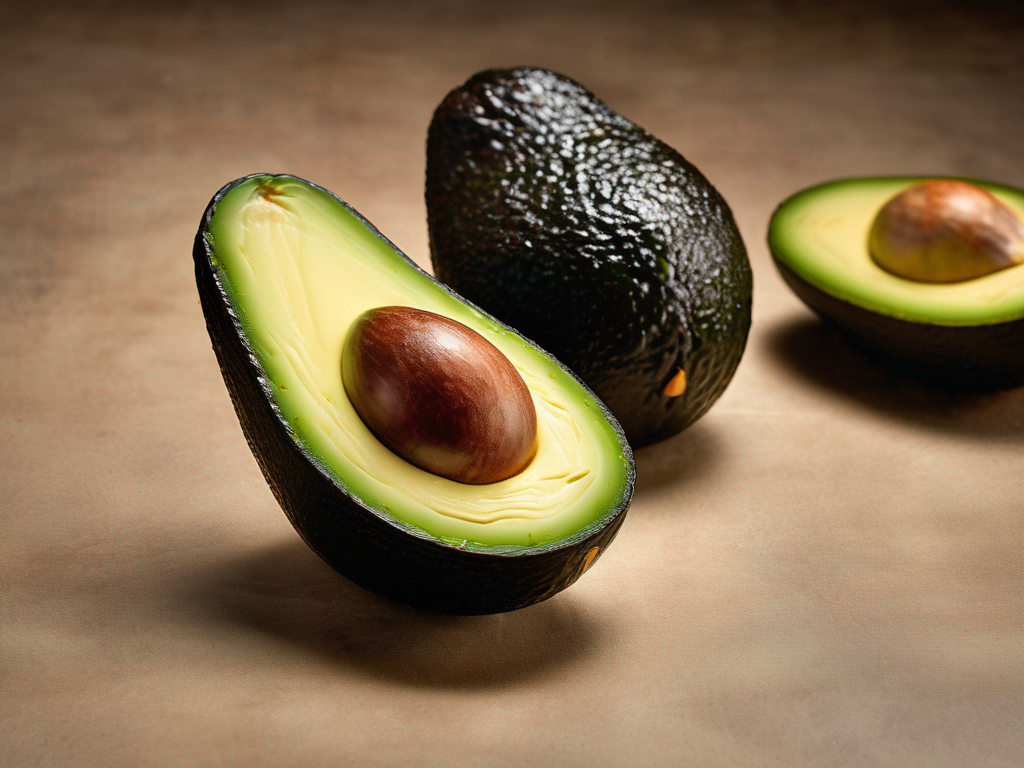
To Refrigerate or Not to Refrigerate: The Avocado Dilemma
CanIEatExpired.com Team
# To Refrigerate or Not to Refrigerate: The Avocado Dilemma

Avocados are a versatile and nutritious fruit that are loved by many for their creamy texture and unique flavor. However, when it comes to storing avocados, there seems to be some confusion about whether they should be refrigerated or left out at room temperature. In this blog post, we will delve into the topic of storing avocados to help you keep them fresh and delicious for as long as possible. ([Avocado](https://canieatexpired.com/food/avocado))

## The Shelf Life of Avocados

Avocados are known for their relatively short shelf life compared to other fruits. The ripeness of an avocado can greatly affect its storage requirements. Here are some key points to consider:

### Ripened Avocados

When an avocado is ripe and ready to eat, it can be stored in the refrigerator to slow down the ripening process. However, refrigeration may cause the avocado's skin to darken, while the flesh inside remains unaffected. It's best to consume a ripe avocado within a few days of refrigerating it for optimal taste and texture.

### Unripened Avocados

If you have unripened avocados that are still hard to the touch, it's best to store them at room temperature to allow them to ripen naturally. Placing unripened avocados in a paper bag with a banana or apple can help speed up the ripening process due to the ethylene gas produced by these fruits.

### Cut Avocados

Once an avocado is cut open, its shelf life decreases significantly due to exposure to air. To prolong the freshness of a cut avocado, it's recommended to store it in an airtight container with a squeeze of lemon or lime juice to prevent browning. Refrigerate the cut avocado and consume it within a day or two for the best quality.

## Tips for Storing Avocados

Proper storage is crucial in maintaining the quality and freshness of avocados. Here are some practical tips to help you store avocados effectively:

- **Check for Ripeness:** To determine if an avocado is ripe, gently squeeze it in the palm of your hand. A ripe avocado will yield slightly to pressure without feeling mushy.
- **Separate Ripe and Unripened Avocados:** If you have both ripe and unripened avocados, store them separately to prevent the ripe ones from over-ripening.
- **Avoid Refrigerating Unripened Avocados:** Refrigerating unripened avocados can inhibit the ripening process and lead to a bland taste and hard texture.
- **Use Proper Containers:** Store avocados in a cool, dark place away from direct sunlight to prevent them from ripening too quickly.
- **Consider Freezing:** If you have an abundance of ripe avocados, consider freezing them by mashing the flesh and adding lemon juice before storing in a freezer-safe container for up to six months.

## common situation

Understanding how to store avocados can be especially helpful in everyday situations. For example, consider Sarah, who planned a picnic and bought several avocados to make fresh guacamole. She bought them a few days prior to the picnic and left them on her countertop to ripen. However, when the day of the picnic arrived, she discovered that they had all become overripe and mushy. If she had monitored their ripeness and moved them to the fridge once they were ripe, she could have enjoyed perfect guacamole instead!

Another relatable situation involves Mark, who loves making avocado toast but often finds himself cutting into avocados that turn brown within hours. After learning to apply lemon juice before storing cut avocados in an airtight container, he found that he could enjoy his toast without the unappealing brown color and taste.

Let’s not forget about Jenny, who hosts gatherings frequently. She loves to make avocado-based dips and spreads but often ends up throwing away unused avocados that turn bad before she can use them. By implementing a rotation system—using the ripest avocados first and keeping an eye on their freshness—she can reduce waste and always have the freshest ingredients on hand.

## Scientific Context

From a scientific standpoint, avocados produce ethylene gas, which plays a critical role in the ripening process. Ethylene is a plant hormone responsible for the maturation of many fruits, and understanding this can help you manage your avocados more effectively. When an avocado is exposed to ethylene gas, it triggers a series of biochemical reactions that lead to ripening.

Additionally, the chilling injury that can occur when avocados are stored at low temperatures is another important consideration. Research indicates that temperatures below 44°F (7°C) can damage the fruit, leading to off flavors and a compromised texture. This is why it's generally recommended to keep unripened avocados away from the fridge.

Furthermore, avocados are not just delicious; they also pack a nutritional punch. They are rich in healthy fats, particularly monounsaturated fats, which are beneficial for heart health. Additionally, avocados contain a variety of vitamins and minerals, including potassium, vitamin K, and vitamin E. Keeping these nutritional benefits in mind can motivate you to store them properly so you can enjoy them longer.

## Common Mistakes

Many people don’t realize that one of the most common mistakes is storing avocados in a plastic bag. While it may seem convenient, this can trap moisture and lead to spoilage. Instead, opt for breathable materials like paper bags for unripened avocados to allow for proper airflow.

Another common error is using an unripe avocado for recipes, expecting it to taste just as good as a ripe one. Unripe avocados lack the creamy texture and rich flavor that makes them so beloved in dishes. Always check your avocados for ripeness before incorporating them into your favorite meals.

One misstep I often see is cutting into an avocado only to discover it’s not fully ripe. People often think they can “force” ripening by mashing it or incorporating it into a dish. However, the flavor and texture simply won’t match that of a properly ripened avocado. It’s best to wait until the fruit is ready.

## Expert Insights

Food safety experts often recommend keeping a temperature log for your refrigerator, as maintaining appropriate temperatures is crucial for food safety. For avocados, keeping them at a consistent temperature can help minimize spoilage and maintain their quality. If you find that your fridge is frequently warmer than 40°F (4°C), consider adjusting the settings to keep your avocados fresh for longer.

You might also consider investing in ethylene gas absorbers, which can help extend the shelf life of avocados and other ethylene-sensitive fruits. These absorbers can reduce the concentration of ethylene gas in your fruit storage area, slowing down the ripening process significantly.

Lastly, consider joining a local community supported agriculture (CSA) program or visiting farmer's markets. Fresh avocados from local sources may have a longer shelf life due to reduced transportation time and better harvesting practices, which can lead to less spoilage.

## Safety Considerations

When it comes to food safety, it's essential to handle avocados properly to reduce the risk of foodborne illnesses. Here are some safety considerations to keep in mind:

### Washing Avocados

- **Before Cutting:** Wash avocados under running water and scrub the skin with a clean brush to remove any dirt or bacteria present on the surface.
- **After Cutting:** When cutting into an avocado, make sure to clean the knife, cutting board, and any other utensils that come into contact with the fruit to prevent cross-contamination.

### Avoiding Cross-Contamination

- **Separate Cutting Boards:** Use separate cutting boards for fruits and vegetables to avoid cross-contamination with other foods.
- **Proper Storage:** Store avocados away from raw meat, poultry, or seafood in the refrigerator to prevent any potential contamination.

## Additional Storage Methods

If you find yourself with several ripe avocados and worry about spoilage, consider additional storage methods. One effective technique is to make guacamole and then freeze it. Just prepare your guacamole without tomatoes, as they don't freeze as well, and place it in an airtight container. This way, you can enjoy that creamy goodness even weeks later!

Another innovative method involves using onion. Placing a cut avocado in a container with a slice of onion can also help prevent browning due to the sulfur compounds released from the onion, which can slow down the oxidation process.

If you want to extend the life of your whole avocados further, try submerging them in water in a sealed container. This method can keep them fresh for several days beyond their normal shelf life. Just be sure to dry them off before consuming!

## Conclusion

In conclusion, the decision to refrigerate avocados depends on their ripeness and intended use. While ripe avocados can be refrigerated to prolong their shelf life, unripened avocados are best stored at room temperature to allow them to ripen naturally. By following the tips and safety considerations outlined in this blog post, you can enjoy fresh and delicious avocados while ensuring food safety in your kitchen. Remember to check the [avocado](/food/avocado) section for more recipes and information on this versatile fruit. ([Avocado](https://canieatexpired.com/food/avocado))

## Related Posts

Here are some other articles you might find helpful:

- [The Best Restaurants in Ventura, CA](/blog/best-restaurants-in-ventura-ca)
- [Eating Well Without Refrigeration: Delicious and Safe Non-Refrigerated Meals](/blog/meals-that-don-t-require-refrigeration)
- [The Truth About Out of Date Mayonnaise: Is It Safe to Eat?](/blog/out-of-date-mayonnaise)
- [The Ultimate Guide to Fruits That Don't Need Refrigeration](/blog/fruits-that-don-t-need-to-be-refrigerated)
- [How Long Can You Keep Guacamole Commercially Packaged Sold Refrigerated Unopened in the Fridge?](/blog/how-long-can-you-keep-guacamole-commercially-packaged-sold-refrigerated-unopened-in-the-fridge-before-it-spoils)
Authoritative Food Safety References
These agencies and university labs inform every tip and health precaution we publish.
USDAOfficial guidance
USDA FoodKeeper – Cold Storage Guidelines
Official refrigerator, freezer, and pantry timelines maintained by the U.S. Department of Agriculture.
Visit USDA FoodKeeperFDAOfficial guidance
FDA Produce Safety Rule & Grower Guidance
Field-to-fridge handling practices that prevent contamination of fruits, vegetables, and leafy greens.
Visit FDA Produce SafetyCDCOfficial guidance
CDC Foodborne Illness Prevention Hub
Surveillance-backed guidance on pathogens, symptoms, and steps to reduce foodborne illness risk.
Visit CDC Food SafetyResearchUniversity research
UC Davis Postharvest Technology Center
University research detailing optimal storage atmospheres for produce after harvest.
Visit UC Davis PostharvestResearchUniversity research
Penn State Extension – Home Food Preservation & Safety
Peer-reviewed extension bulletins on safe canning, chilling, and reheating practices.
Visit Penn State ExtensionDisclosure: As an Amazon Associate, we earn from qualifying purchases. This helps support our site and allows us to continue providing free food safety information.
Our articles are created using a combination of AI assistance and human review. All food safety information is based on USDA guidelines and credible sources. Learn more about our review process here.