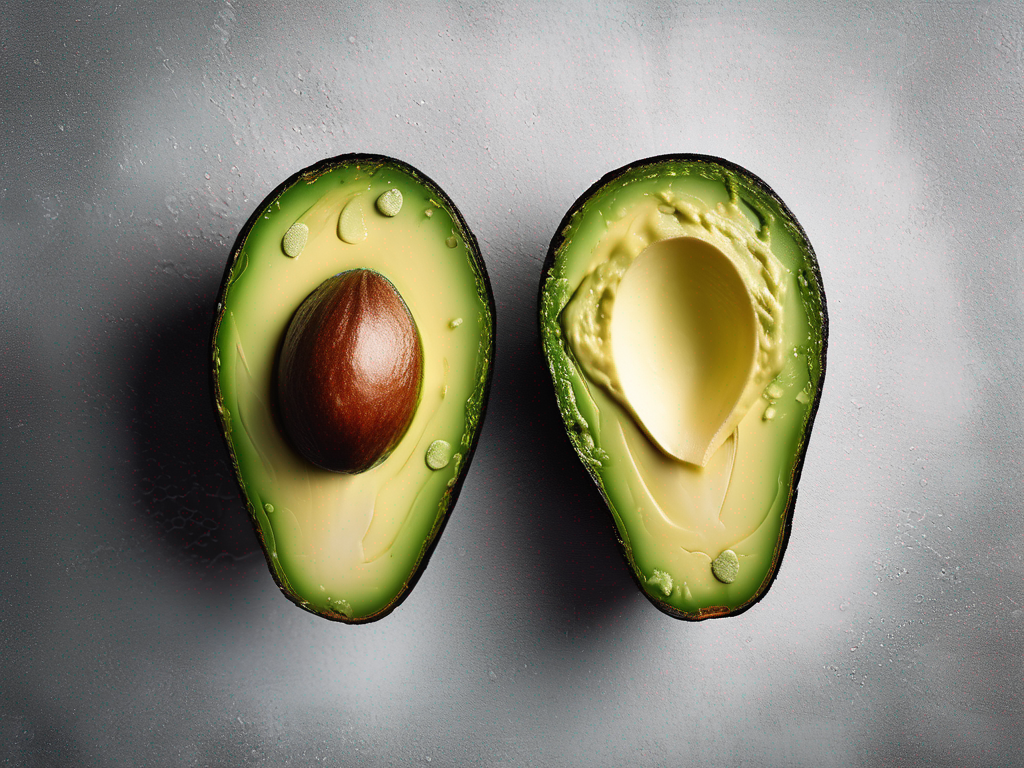
Can You Use Expired Avocado Oil: Understanding Food Safety and Storage
Can You Use Expired Avocado Oil: Understanding Food Safety and Storage
Avocado oil is a popular and versatile cooking oil known for its nutritional quality and delicious flavor. However, like any other food product, avocado oil can go bad over time. In this blog post, we will explore the topic of using expired avocado oil, including the potential risks, signs of spoilage, and proper storage practices to ensure food safety. (Avocado)
Understanding Avocado Oil Expiration Dates
Avocado oil, like other cooking oils, typically comes with a best-by or expiration date printed on the packaging. While this date is a helpful guideline for optimal quality, it does not necessarily mean that the oil is unsafe to consume after that date. Here are a few key points to consider regarding avocado oil expiration dates:
Factors Influencing Avocado Oil Shelf Life
Several factors can affect the shelf life of avocado oil, including:
Proper airflow and humidity control can significantly extend produce freshness. Many households use produce storage containers (Amazon) in the refrigerator to regulate moisture and slow spoilage.
- Storage Conditions: Proper storage is crucial for maintaining the quality of avocado oil. Exposure to heat, light, and air can accelerate the oil's degradation.
- Quality of the Oil: High-quality, cold-pressed avocado oil may last longer than refined varieties due to its more stable composition.
- Packaging: Opaque or dark-colored bottles can help protect avocado oil from light exposure, preserving its freshness.
Signs of Spoiled Avocado Oil
While avocado oil does not typically spoil as quickly as some other cooking oils, it can still go rancid over time. Here are some common signs that your avocado oil may have gone bad:
Rancid Smell or Taste
- Avocado oil that has gone rancid may develop a strong, unpleasant odor and taste.
- If the oil smells musty, bitter, or "off," it is best to discard it.
Changes in Color and Clarity
- Fresh avocado oil is typically greenish-yellow in color and clear.
- If you notice a significant change in color or the oil appears cloudy, it may indicate spoilage.
Can You Use Expired Avocado Oil?
While using expired avocado oil may not necessarily pose an immediate health risk, it is essential to exercise caution and consider the following factors:
Safety Considerations
- Risk of Rancidity: Rancid oils can contain unpleasant flavors, odors, or reduced nutritional quality that may not be suitable for consumption.
- Quality and Flavor: Expired avocado oil may have lost its nutritional value and flavor, affecting the taste of your dishes.
Tips for Using Expired Avocado Oil
If you choose to use expired avocado oil, consider the following tips:
Keeping produce organized can improve air circulation and cooling. refrigerator organizer bins (Amazon) help reduce overcrowding and maintain consistent refrigerator temperatures.
- Perform a Sensory Check: Before using expired avocado oil, smell and taste a small amount to check for signs of rancidity.
- Use for Non-Culinary Purposes: Expired avocado oil can be repurposed for skincare or hair treatments, where its culinary quality is less critical.
common situation
Imagine Sarah, a home cook who loves experimenting with new recipes. She buys a bottle of high-quality avocado oil to use in her salad dressings and marinades. After a few months, she finds the bottle tucked away in her pantry, long past the expiration date. Unsure if it's still good, she remembers reading about sensory checks. She pours a small amount and discovers it smells rancid—Sarah decides to toss it, opting for a fresh bottle to ensure her meals taste their best.
In another instance, Mark uses avocado oil for frying at a family gathering. He realizes the bottle is expired, but the oil still smells fine. He uses it anyway, and the dish turns out great, but later he feels uneasy about whether he made the right choice. It's a classic case of weighing convenience against food safety—Mark vows to be more vigilant about checking oils in the future.
Then there's Emily, who loves to cook for her friends. She recently discovered the benefits of avocado oil and bought a large bottle. After using it frequently in her recipes, she finds it sitting in her cupboard, well past the expiration date. She remembers a friend mentioning that oils can be used even after the date if they still seem fine. Emily decides to give it a try. After a quick smell test, she finds that it still smells nutty and fresh. She uses it to sauté vegetables, and they turn out delicious! This experience teaches her the importance of being observant and trusting her senses.
Scientific Context
Understanding why avocado oil goes rancid is rooted in its chemical composition. Oils are primarily made up of triglycerides, which can break down when exposed to air, light, and heat. Avocado oil, being high in monounsaturated fats, is more stable than polyunsaturated oils like corn or sunflower oil. However, over time, even the best oils can undergo oxidation, leading to rancidity.
Antioxidants found in avocado oil, such as vitamin E, can help prolong its shelf life, but they aren’t a guarantee against spoilage. Research shows that proper storage—keeping the oil cool, dark, and in a tightly sealed bottle—can significantly slow down the degradation process.
Practical Tips for Storage and Usage
Here are some effective strategies to maximize the shelf life of your avocado oil:
Choose the Right Container
- Opt for dark glass or stainless steel containers, which provide better protection against light than clear bottles.
Avoid Frequent Temperature Changes
- Keep your avocado oil in a consistent environment, avoiding areas like near the stove or refrigerator where temperatures fluctuate.
Consider Smaller Bottles
- If you don’t use avocado oil frequently, consider buying smaller bottles to reduce the risk of exposure over time.
Check for Sediment
- Before using your avocado oil, check for any sediment at the bottom of the bottle. While not always an indicator of spoilage, significant sediment may signal that the oil has gone bad.
Use Clean Utensils
- Always use clean utensils when scooping oil to prevent introducing contaminants that can cause spoilage.
Common Mistakes
Many people overlook how quickly oils can degrade after opening. A common mistake is assuming that a sealed bottle remains fresh indefinitely. Once opened, oils, including avocado oil, are more susceptible to oxidation.
Another mistake is neglecting to perform a sensory check. Many people trust the label over their senses. Always listen to your nose and taste buds—if it doesn’t smell or taste right, it’s better not to take the risk.
Additionally, many individuals store their oils above the stove or in sunny areas, thinking they’ll remember to use them. In reality, the heat and light can significantly shorten the oil's lifespan.
Expert Insights
Food safety experts recommend using oils within six months to one year after opening, depending on storage conditions. They emphasize the importance of checking for freshness and suggest labeling bottles with a “opened on” date for easy tracking. Additionally, experts advise against mixing oils to avoid the risk of cross-contamination and spoilage, as different oils have varying shelf lives.
Moreover, some researchers suggest that keeping oils in the refrigerator can help prolong freshness, especially in warmer climates. Just be aware that the oil may thicken or solidify in the fridge; however, it will return to its normal consistency once brought back to room temperature.
Proper Storage Practices for Avocado Oil
To maximize the shelf life of avocado oil and maintain its quality, follow these storage tips:
- Store in a Cool, Dark Place: Keep avocado oil away from heat and light sources to prevent oxidation.
- Seal the Bottle Tightly: Ensure the bottle is tightly sealed after each use to minimize air exposure.
- Refrigeration: While not required, storing avocado oil in the refrigerator can help extend its shelf life, especially in hot climates.
Nutritional Benefits of Avocado Oil
In addition to understanding spoilage, it's essential to appreciate what makes avocado oil an excellent addition to your kitchen. Rich in monounsaturated fats, particularly oleic acid, avocado oil is linked to various nutritional quality, including improved heart health and reduced inflammation.
Furthermore, it's packed with antioxidants and vitamins like E and K, contributing to skin health and overall nutritional value. Incorporating fresh avocado oil into your diet can be an excellent way to enhance not just flavor but also the nutritional profile of your meals.
Conclusion
In conclusion, while it is generally recommended to use avocado oil before its expiration date for the best quality and flavor, using expired avocado oil may not always pose a significant risk. However, it is crucial to be mindful of signs of spoilage, such as changes in smell, taste, color, and clarity. By following proper storage practices and exercising caution when using expired avocado oil, you can continue to enjoy this nutritious cooking oil safely. Remember that food safety is paramount in ensuring the well-being of you and your loved ones. (Avocado)
Related Posts
Here are some other articles you might find helpful:
Authoritative Food Safety References
These agencies and university labs inform every tip and health precaution we publish.
USDA FoodKeeper – Cold Storage Guidelines
Official refrigerator, freezer, and pantry timelines maintained by the U.S. Department of Agriculture.
Visit USDA FoodKeeperFDA Produce Safety Rule & Grower Guidance
Field-to-fridge handling practices that prevent contamination of fruits, vegetables, and leafy greens.
Visit FDA Produce SafetyCDC Foodborne Illness Prevention Hub
Surveillance-backed guidance on pathogens, symptoms, and steps to reduce foodborne illness risk.
Visit CDC Food SafetyUC Davis Postharvest Technology Center
University research detailing optimal storage atmospheres for produce after harvest.
Visit UC Davis PostharvestPenn State Extension – Home Food Preservation & Safety
Peer-reviewed extension bulletins on safe canning, chilling, and reheating practices.
Visit Penn State ExtensionDisclosure: As an Amazon Associate, we earn from qualifying purchases. This helps support our site and allows us to continue providing free food safety information.