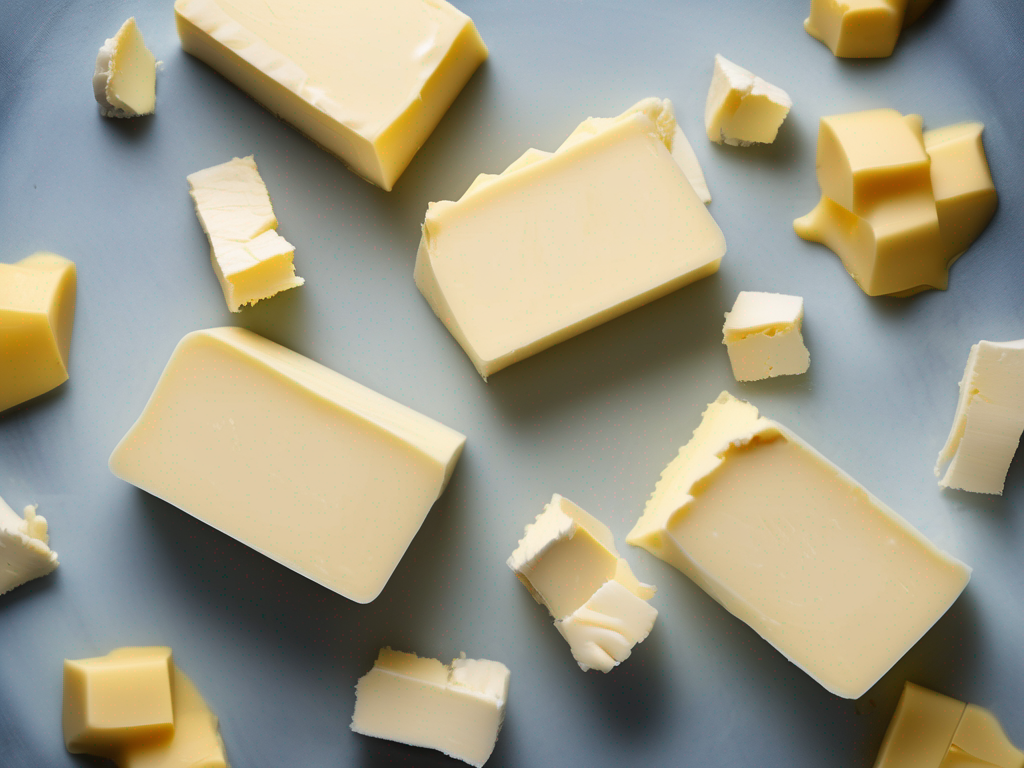
Is It Safe to Use Butter Past the Expiration Date?
CanIEatExpired.com Team
# Is It Safe to Use Butter Past the Expiration Date?

In the world of food safety, the topic of using products past their expiration dates can be a bit controversial. One such product that often raises questions is butter. Butter is a staple in many kitchens, used in a variety of dishes, from baking to sautéing. But what happens when you find a stick of butter in the back of your fridge that is past its expiration date? Can you still use it safely? Let's delve into this topic and uncover the facts about using butter past its expiration date. ([Butter](https://canieatexpired.com/food/butter))

## Understanding Butter Expiration Dates

When you purchase a package of butter, you will notice that it comes with a "sell by" or "use by" date printed on the packaging. This date is an indication of how long the butter is expected to retain its peak quality. It is important to note that this date is not a strict deadline but rather a guideline for optimal freshness.

### Factors Affecting Butter Shelf Life

Several factors can influence the shelf life of butter:

- **Storage Conditions**: Proper storage is crucial for extending the shelf life of butter. Storing butter in the refrigerator at a consistent temperature helps slow down the oxidation process.
- **Packaging**: Butter packaged in airtight containers or foil wrappers tends to have a longer shelf life compared to butter exposed to air.
- **Quality of Ingredients**: Butter made from high-quality ingredients may have a longer shelf life than butter made from lower-quality ingredients.

## Can You Use Butter After the Expiration Date?

The short answer is, yes, you can still use butter past the expiration date, as long as it has been stored properly. Here are a few key points to consider when deciding whether to use expired butter:

### Signs of Spoiled Butter

Before using butter past its expiration date, it's essential to check for signs of spoilage. If you notice any of the following, it's best to discard the butter:

- **Off Smell**: Spoiled butter may have a rancid or sour smell.
- **Unusual Texture**: Mold, discoloration, or a slimy texture are signs that the butter has gone bad.
- **Off Flavor**: Spoiled butter may have a bitter or unpleasant taste.

### Tips for Using Expired Butter Safely

If your butter is past the expiration date but shows no signs of spoilage, you can still use it safely by following these tips:

1. **Perform a Sensory Check**: Before using the butter, conduct a visual inspection and smell check to ensure it appears and smells normal.
2. **Taste Test**: If you're unsure about the butter's quality, try a small amount to check for off flavors.
3. **Cooking**: Using expired butter in cooked or baked dishes where it will be heated thoroughly can help kill any potential bacteria.
4. **Freezing**: If you want to extend the shelf life of butter, consider freezing it for later use. Butter can be safely frozen for several months, extending its shelf life.

## common situation

Imagine this: You’re in the kitchen, ready to whip up your famous chocolate chip cookies, and you reach for the butter. As you check the package, you realize it’s past the expiration date by a week. What do you do?

Or Common situations include parent who always keeps a stash of butter in the fridge for quick meal prep. One day, they find a stick of butter that was tucked behind the yogurt, long forgotten. With dinner approaching, they must decide whether to risk using it or make a last-minute grocery store run.

These situation highlight a common dilemma: we often buy butter in bulk and forget about it, leading to questions about its safety. In both cases, using the sensory checks discussed earlier can guide the decision—saving time and preventing food waste.

## Scientific Context

Butter is a dairy product that consists primarily of milk fat, which is inherently stable due to its low moisture content. However, the fat can oxidize and go rancid over time, especially if not stored properly.

Studies have shown that butter can remain good for several weeks, even months, past its "use by" date if it has been stored in the refrigerator and kept away from light and air. It's the exposure to these elements that typically leads to spoilage. Keeping butter in the back of the fridge, where temperatures are more stable, can help maintain its quality longer.

## Common Mistakes

It's easy to misunderstand how expiration dates work. Many people mistakenly believe that if butter is past its expiration date, it is immediately unsafe to use. In reality, many food products can be consumed beyond their expiration dates, as long as they are visually and sensorially acceptable.

Another common mistake is not wrapping butter properly. Leaving butter uncovered can lead to it absorbing odors from other foods, which can degrade its quality and flavor. Additionally, using a butter dish that is not airtight can can increase the likelihood of moisture accumulation, which can promote spoilage.

## Expert Insights

Food safety experts consistently recommend following "best by" dates as guidelines rather than strict rules. According to the USDA, dairy products like butter are often safe to use beyond their labeled dates, provided that the product has been stored correctly and exhibits no signs of spoilage.

Moreover, if you frequently find yourself with expired butter, consider implementing a system where you rotate older products to the front of the fridge and newer ones to the back. This simple practice can help minimize the chance of encountering expired products.

## Proper Storage of Butter

To maximize the shelf life of butter and maintain its quality, it's essential to store it correctly. Here are some tips for proper butter storage:

- **Refrigeration**: Store butter in the refrigerator at a temperature of 40°F (4°C) or below.
- **Air-Tight Container**: Keep butter wrapped in its original packaging or store it in an airtight container to prevent absorption of odors and flavors.
- **Freezing**: If you want to extend the shelf life of butter, consider freezing it. Butter can be frozen for up to six months without a significant loss of quality.

### Additional Storage Techniques

For those who often use butter, consider portioning it before freezing. Cutting butter into smaller sticks or using ice cube trays can allow you to defrost only what you need, minimizing waste. Also, vacuum-sealing butter can help prevent freezer burn and maintain its flavor profile.

## Safety Warnings

While most butter can be safely consumed after its expiration date, it’s important to be cautious. If you ever doubt the safety of a product, it's best to err on the side of caution. Consuming spoiled butter can lead to gastrointestinal discomfort or foodborne illness, so always trust your senses. If it smells off, looks strange, or has a flavor you can’t recognize, it's best to toss it out.

## Conclusion

In conclusion, using butter past the expiration date is generally safe as long as the butter shows no signs of spoilage. By understanding the factors that affect butter shelf life, performing sensory checks, and following proper storage guidelines, you can continue to enjoy your favorite buttery dishes without worry. Remember, when in doubt, it's always best to err on the side of caution and discard any butter that appears spoiled. So, feel free to use that slightly expired butter in your baking or cooking, and savor the delicious flavors it adds to your dishes!

For more information on butter and other food-related topics, visit [Butter](/food/butter). ([Butter](https://canieatexpired.com/food/butter))

## Related Posts

Here are some other articles you might find helpful:

- [The Ultimate Guide: Does Butter Have an Expiration Date?](/blog/does-butter-have-an-expiration-date)
- [Is It Safe to Use Butter After the Expiration Date?](/blog/can-you-use-butter-after-expiration-date)
- [How Long is Greek Yogurt Good After Opening?](/blog/how-long-is-greek-yogurt-good-after-opening)
- [How Long is Butter Good for After the Expiration Date?](/blog/how-long-is-butter-good-for-after-the-expiration-date)
- [The Ultimate Guide to Meals That Don't Need Refrigeration](/blog/meals-that-don-t-need-to-be-refrigerated)
Authoritative Food Safety References
These agencies and university labs inform every tip and health precaution we publish.
USDAOfficial guidance
USDA FoodKeeper – Cold Storage Guidelines
Official refrigerator, freezer, and pantry timelines maintained by the U.S. Department of Agriculture.
Visit USDA FoodKeeperFDAOfficial guidance
FDA Produce Safety Rule & Grower Guidance
Field-to-fridge handling practices that prevent contamination of fruits, vegetables, and leafy greens.
Visit FDA Produce SafetyCDCOfficial guidance
CDC Foodborne Illness Prevention Hub
Surveillance-backed guidance on pathogens, symptoms, and steps to reduce foodborne illness risk.
Visit CDC Food SafetyResearchUniversity research
UC Davis Postharvest Technology Center
University research detailing optimal storage atmospheres for produce after harvest.
Visit UC Davis PostharvestResearchUniversity research
Penn State Extension – Home Food Preservation & Safety
Peer-reviewed extension bulletins on safe canning, chilling, and reheating practices.
Visit Penn State ExtensionDisclosure: As an Amazon Associate, we earn from qualifying purchases. This helps support our site and allows us to continue providing free food safety information.
Our articles are created using a combination of AI assistance and human review. All food safety information is based on USDA guidelines and credible sources. Learn more about our review process here.