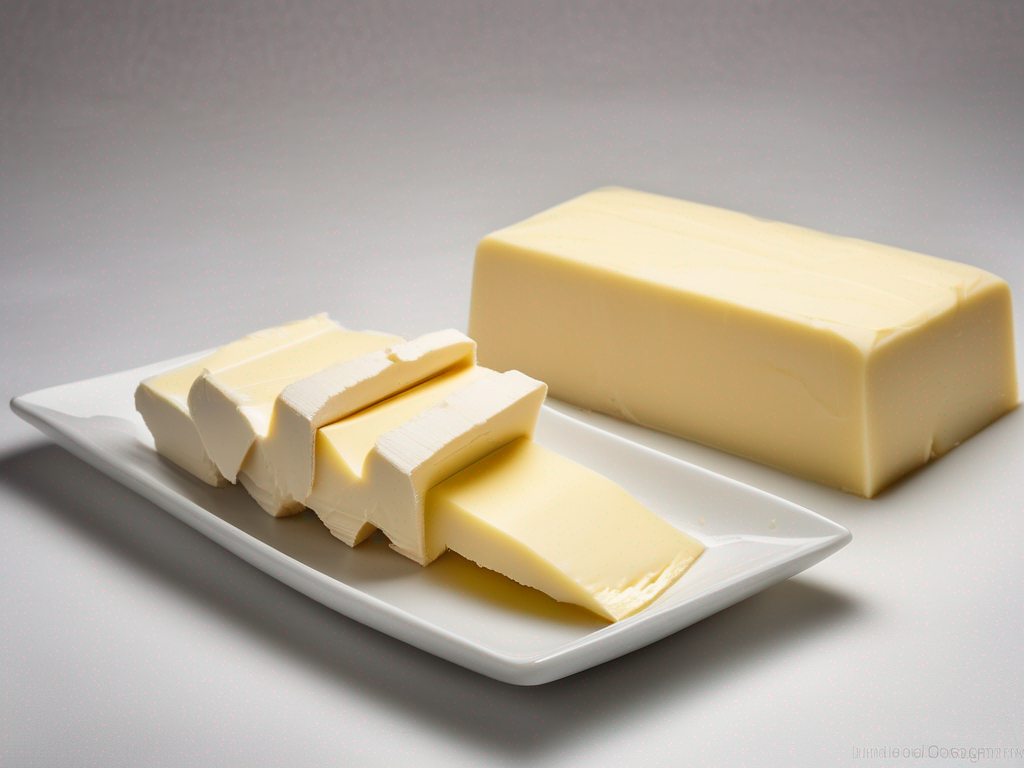
Is It Safe to Use Butter After the Expiration Date?
CanIEatExpired.com Team
# Is It Safe to Use Butter After the Expiration Date?

In the world of cooking and baking, butter is a staple ingredient that adds flavor and richness to a wide variety of dishes. But what happens when you reach for that stick of butter in your fridge and notice that it's past the expiration date? Is it still safe to use? In this blog post, we will explore the ins and outs of using butter after the expiration date, providing you with practical tips and safety information to help you make an informed decision. ([Butter](https://canieatexpired.com/food/butter))

## Understanding Butter Expiration Dates

When you purchase butter from the store, you will typically find an expiration date printed on the packaging. This date is provided by the manufacturer to indicate the period during which the butter is expected to maintain its quality and freshness. It is important to note that the expiration date is not a strict deadline; rather, it is a guideline to help you determine when the butter is at its best.

### Factors Affecting Butter Freshness

Several factors can influence the freshness and shelf life of butter, including:
- **Storage Conditions:** Proper storage is key to maintaining the quality of butter. Storing butter in the refrigerator at a consistent temperature is essential.
- **Packaging:** Butter that is stored in airtight packaging is less likely to spoil quickly.
- **Contamination:** Cross-contamination with other foods can lead to the growth of harmful bacteria in butter.

## Can You Use Butter After the Expiration Date?

The short answer is yes, you can often use butter after the expiration date has passed. However, there are several factors to consider before making that decision.

### Signs of Spoiled Butter

Before using butter past its expiration date, it is important to check for signs of spoilage, including:
- **Off Smell:** Rancid or sour smell.
- **Discoloration:** Unusual color or appearance.
- **Texture Changes:** Mold growth or changes in texture.

If you notice any of these signs, it is best to discard the butter to avoid the risk of foodborne illness.

### Tips for Using Expired Butter Safely

If the butter appears to be in good condition and does not exhibit any signs of spoilage, you can take the following precautions to use it safely:
1. **Perform a Sniff Test:** Check the smell of the butter to ensure it is not rancid.
2. **Inspect the Appearance:** Look for any visible signs of mold or discoloration.
3. **Taste a Small Amount:** If the butter passes the smell and appearance tests, you can taste a small amount to check for any off flavors.

## common situation

Imagine this: you’re deep in the middle of preparing a family dinner, and you reach for the butter only to realize it’s past its expiration date. What do you do? Many home cooks find themselves in this situation, and it often comes down to a quick assessment. Last Thanksgiving, I was cooking up a storm, making mashed potatoes and green bean casserole, only to find a stick of butter dated a month earlier. After a quick sniff and taste test, I was relieved to find it still good as gold!

Another common situation relates to bakers. You might pull out a stick of butter for cookies and notice it's expired. You might think, “Well, it'll be melted anyway!” However, if you were to use spoiled butter, it could affect not only the flavor of your cookies but also the texture. Using expired butter can lead to cookies that are dry, crumbly, or even taste off. Always follow your nose—and taste buds!

## The Science Behind Butter Preservation

Understanding the science behind butter helps clarify why its lifespan can extend beyond the expiration date. Butter is primarily composed of fat, which helps it stay fresh longer than many other dairy products. The water content in butter can promote spoilage, but when stored properly, the fat acts as a natural preservative.

Moreover, butter is often churned with salt, which also provides an added layer of preservation. Salt inhibits the growth of bacteria, allowing butter to last longer. Unsalted butter has a shorter shelf life compared to salted butter, but with proper storage, both can remain safe beyond their expiration dates. The chemistry of fats means that they can go rancid, but this process takes time. As I always say, “Common sense and your senses are your best tools in the kitchen!”

### Practical Tips for Storing Butter

To maximize the shelf life of butter and maintain its quality, it is essential to store it correctly. Here are some practical tips for storing butter:
- **Refrigeration:** Store butter in the refrigerator at a temperature of around 40°F (4°C). Consider keeping it in the back of the fridge, where temperatures are more consistent.
- **Airtight Container:** Keep butter in an airtight container or wrap it tightly to prevent absorption of odors from other foods. This practice can help it retain flavor longer.
- **Freezing:** Butter can be frozen for longer-term storage. Wrap it tightly in foil or plastic wrap before placing it in the freezer. When ready to use, allow it to thaw in the refrigerator to maintain its texture.

### Common Mistakes to Avoid

Many people mistakenly believe that if the butter is past its expiration date, it’s automatically spoiled. This is not always the case! Another common misstep is storing butter in the door of the fridge, where temperatures fluctuate more than in the main compartment. I've found that using a butter dish with a lid and placing it on a shelf helps maintain freshness.

Additionally, some people often overlook the importance of checking for visible signs of spoilage. Butter can sometimes develop a bit of discoloration, but that doesn’t mean it’s entirely bad. It’s always best to use your judgment, but if you see mold, it’s a definite no-go!

## Expert Insights on Food Safety

Food safety experts recommend being proactive about food storage. They emphasize the importance of routinely checking your pantry and fridge for items that might be nearing their expiration dates. Keeping a digital or physical inventory can help you manage and use your ingredients effectively.

One valuable tip from food safety professionals is to maintain a rotation system. When you buy new butter or other perishables, position the older ones at the front of the fridge. This "first in, first out" approach ensures you use products before they expire, reducing waste and saving money.

## Safety Warnings

It’s crucial to remember that while butter can often be used after its expiration date, there are exceptions. If you ever suspect that your butter may have been left out of the fridge for an extended period or if it has an unusual texture or smell, do not hesitate to discard it. Foodborne illnesses can occur if you consume spoiled dairy products, so it’s better to be safe than sorry.

## Conclusion

While it is generally safe to use butter after the expiration date, it is crucial to use your judgment and follow proper storage guidelines to ensure its freshness and safety. By being mindful of signs of spoilage and practicing proper food safety measures, you can continue to enjoy the rich flavor of butter in your favorite recipes. Remember, when in doubt, it's always best to err on the side of caution and discard any butter that shows signs of spoilage. [Butter](https://canieatexpired.com/food/butter) is a versatile ingredient that can elevate your cooking and baking, so make sure to store it properly and use it wisely to make the most of its delicious qualities.

## Related Posts

Here are some other articles you might find helpful:

- [How Long is Greek Yogurt Good After Opening?](/blog/how-long-is-greek-yogurt-good-after-opening)
- [How Long is Butter Good for After the Expiration Date?](/blog/how-long-is-butter-good-for-after-the-expiration-date)
- [The Ultimate Guide to Meals That Don't Need Refrigeration](/blog/meals-that-don-t-need-to-be-refrigerated)
- [Understanding the Shelf Life of Meals Ready to Eat (MREs)](/blog/shelf-life-of-meals-ready-to-eat)
- [Is Margarine Expiration Date a Concern?](/blog/does-margarine-expire)
Authoritative Food Safety References
These agencies and university labs inform every tip and health precaution we publish.
USDAOfficial guidance
USDA FoodKeeper – Cold Storage Guidelines
Official refrigerator, freezer, and pantry timelines maintained by the U.S. Department of Agriculture.
Visit USDA FoodKeeperFDAOfficial guidance
FDA Produce Safety Rule & Grower Guidance
Field-to-fridge handling practices that prevent contamination of fruits, vegetables, and leafy greens.
Visit FDA Produce SafetyCDCOfficial guidance
CDC Foodborne Illness Prevention Hub
Surveillance-backed guidance on pathogens, symptoms, and steps to reduce foodborne illness risk.
Visit CDC Food SafetyResearchUniversity research
UC Davis Postharvest Technology Center
University research detailing optimal storage atmospheres for produce after harvest.
Visit UC Davis PostharvestResearchUniversity research
Penn State Extension – Home Food Preservation & Safety
Peer-reviewed extension bulletins on safe canning, chilling, and reheating practices.
Visit Penn State ExtensionDisclosure: As an Amazon Associate, we earn from qualifying purchases. This helps support our site and allows us to continue providing free food safety information.
Our articles are created using a combination of AI assistance and human review. All food safety information is based on USDA guidelines and credible sources. Learn more about our review process here.