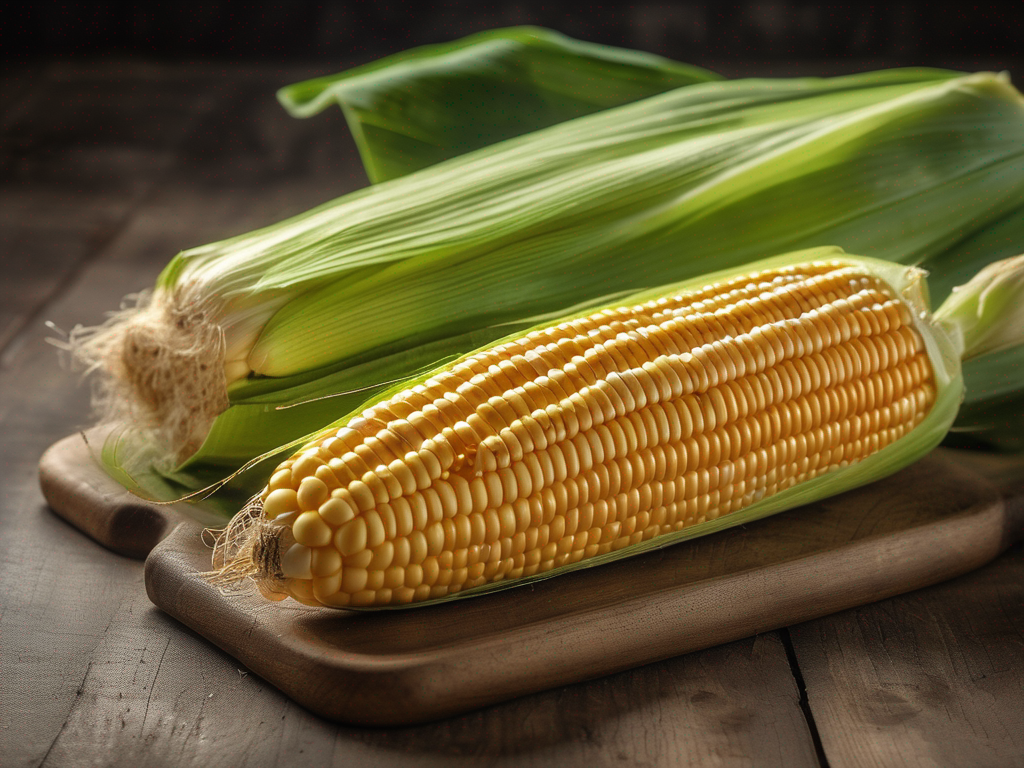
Can You Freeze Cooked Corn on the Cob?
Corn on the cob is a beloved summer treat that many people enjoy during BBQs, picnics, and family gatherings. But what do you do when you have leftover cooked corn on the cob? Can you freeze it to enjoy later? In this blog post, we will explore the ins and outs of freezing cooked corn on the cob, including safety tips and storage guidelines. (Corn)
Freezing Cooked Corn on the Cob: What You Need to Know
Freezing cooked corn on the cob is a convenient way to preserve this seasonal favorite for later consumption. However, there are a few key points to keep in mind to ensure that the corn retains its flavor and texture when thawed.
Steps to Freeze Cooked Corn on the Cob
-
Cooling the Corn: Allow the cooked corn on the cob to cool completely before freezing. This helps prevent condensation and ice crystals from forming, which can affect the quality of the corn.
💡Dairy products require consistent cold storage to prevent spoilage and bacterial growth. A refrigerator thermometer (Amazon) helps ensure your refrigerator maintains safe temperatures (40°F or below).
-
Removing the Kernels: Consider removing the kernels from the cob before freezing. This can make it easier to store and reheat the corn later.
-
Packaging: Wrap the cooked corn on the cob tightly in plastic wrap or aluminum foil to protect it from freezer burn. Alternatively, you can place the corn in a freezer-safe bag or container.
-
Labeling: Don't forget to label the packaging with the date of freezing to keep track of its freshness.
Safety Tips for Freezing Cooked Corn on the Cob
- Use Fresh Corn: Start with fresh, high-quality corn on the cob for the best results.
- Avoid Seasonings: If you plan to freeze the corn with seasonings or butter, consider adding them after reheating for optimal flavor.
- Thawing: Thaw frozen cooked corn on the cob in the refrigerator overnight for best results.
- Reheating: To reheat frozen cooked corn on the cob, consider steaming, microwaving, or grilling it for a few minutes until heated through.
common situation: When Freezing Corn on the Cob Comes in Handy
Imagine hosting a summer BBQ where you grilled up a feast, and your guests raved about the juicy corn on the cob. After the gathering, you find yourself with several leftover cobs. Instead of letting them go to waste, you can freeze them for a future tasty meal. Picture pulling out that corn in the middle of winter, grilling it again, and savoring the taste of summer—it’s a little slice of sunshine in the colder months!
Another situation: You might have gone to the local farmer's market and bought an abundance of fresh corn, only to realize that you can't eat it all before it goes bad. Freezing the cooked corn allows you to enjoy that fresh, sweet flavor long after the season has passed.
Scientific Context: How Freezing Affects Food
When it comes to the science of freezing, it's important to understand that the process slows down the activity of enzymes that cause food to spoil. Corn contains sugars that can turn to starch over time, affecting its sweetness and texture. Freezing these kernels at their peak ripeness helps lock in their flavor and nutritional value.
Additionally, the process of blanching (briefly boiling the corn before freezing) can help preserve the vibrant color and nutrients. This method deactivates enzymes that can lead to loss of flavor and texture, ensuring your corn remains nearly as delicious as fresh.
Nutritional Information
Corn is not just delicious but also packed with nutrients. It's an excellent source of vitamins like B6 and folate, as well as dietary fiber and antioxidants. By freezing cooked corn, you preserve these nutrients, making it a healthy addition to your meals long after the growing season. When you reheat and enjoy your frozen corn, you're not just indulging in a tasty treat; you're also providing your body with beneficial nutrients.
How Long Can You Freeze Cooked Corn on the Cob?
Proper storage is key to maintaining the quality of frozen cooked corn on the cob. Here are some guidelines on how long you can freeze this summer favorite:
- Freezer Shelf Life: Cooked corn on the cob can be safely stored in the freezer for up to 3-4 months.
- Quality: While the corn may still be safe to eat after this time, the quality may start to deteriorate.
Common Mistakes to Avoid
Many people assume that any cooked corn can be frozen without much thought. Here are a few common mistakes to avoid:
-
Not Cooling Properly: Failing to cool the corn before freezing can lead to ice crystals and a mushy texture upon thawing. Always allow it to cool completely first.
-
Skipping the Packaging Step: Simply tossing the corn into the freezer without proper wrapping can lead to freezer burn, which will affect both flavor and texture.
-
Overlooking the Importance of Labeling: If you’re like most people, you might forget when you froze that corn. Labeling is crucial to ensure you use it within the recommended timeframe.
-
Freezing Corn with Seasoning: Adding seasonings or butter before freezing can lead to undesirable changes in taste and texture when you reheat. It's better to keep things simple and add flavors during the cooking process later.
Practical Tips for Reheating Frozen Corn on the Cob
When it comes time to enjoy your frozen corn, here are some practical tips for reheating:
-
Steaming: This is my preferred method! It helps maintain the moisture and flavor without making the corn soggy. Place the corn in a steamer basket over boiling water, cover, and steam for about 5-7 minutes until heated through.
-
Microwaving: For a quick option, you can microwave the corn. Place it in a microwave-safe dish with a little water, cover it with a damp paper towel, and heat for about 2-3 minutes. This method is fast but requires careful attention to avoid overcooking.
-
Grilling: If you're feeling adventurous and want to revive that summer BBQ vibe, toss the corn on the grill. Just heat it over medium heat for a few minutes until it's warmed through, and you may even get a nice char on the kernels for extra flavor!
Expert Insights: Food Safety Recommendations
As a food safety expert, I often stress the importance of maintaining safe food handling practices—from the moment you buy your corn to the moment you serve it. Here are some recommendations:
-
Avoid Re-Freezing: Once you’ve thawed the corn, try not to freeze it again. Repeated freezing and thawing not only affects quality but can also increase the risk of foodborne illness.
-
Use a Food Thermometer: If you're unsure whether your corn is heated through properly, use a food thermometer. The USDA recommends reheating leftovers to an internal temperature of 165°F (74°C) to ensure safety.
-
Check for Signs of Spoilage: When thawing corn, inspect it for any off smells, discoloration, or signs of freezer burn. If anything seems off, it’s better to err on the side of caution and discard it.
Conclusion
In conclusion, freezing cooked corn on the cob is a convenient way to enjoy this seasonal delight all year round. By following proper freezing and storage guidelines, you can ensure that the corn retains its flavor and texture when thawed. Remember to use fresh corn, cool it before freezing, and label the packaging for easy identification. With these tips in mind, you can savor the taste of summer even in the colder months.
And the next time you find yourself with leftover corn, don’t hesitate to put it in the freezer. You’re not only preventing waste but also setting yourself up for a delicious meal down the road!
Related Posts
Here are some other articles you might find helpful:
- Exploring Alternatives to Fish Sauce in Cooking
- Understanding Baking Powder Expiration Date: What You Need to Know
- Does Canned Corn Expire: Understanding Food Safety and Storage
- How Long Do Frozen Vegetables Last: A Comprehensive Guide
- How Long Do Frozen Vegetables Last: A Guide to Storage and Safety
Authoritative Food Safety References
These agencies and university labs inform every tip and health precaution we publish.
USDA FoodKeeper – Cold Storage Guidelines
Official refrigerator, freezer, and pantry timelines maintained by the U.S. Department of Agriculture.
Visit USDA FoodKeeperFDA Produce Safety Rule & Grower Guidance
Field-to-fridge handling practices that prevent contamination of fruits, vegetables, and leafy greens.
Visit FDA Produce SafetyCDC Foodborne Illness Prevention Hub
Surveillance-backed guidance on pathogens, symptoms, and steps to reduce foodborne illness risk.
Visit CDC Food SafetyUC Davis Postharvest Technology Center
University research detailing optimal storage atmospheres for produce after harvest.
Visit UC Davis PostharvestPenn State Extension – Home Food Preservation & Safety
Peer-reviewed extension bulletins on safe canning, chilling, and reheating practices.
Visit Penn State ExtensionDisclosure: As an Amazon Associate, we earn from qualifying purchases. This helps support our site and allows us to continue providing free food safety information.