Can You Freeze Cauliflower to Extend Its Shelf Life and Retain Its Quality?
Can You Freeze Cauliflower to Extend Its Shelf Life and Retain Its Quality?
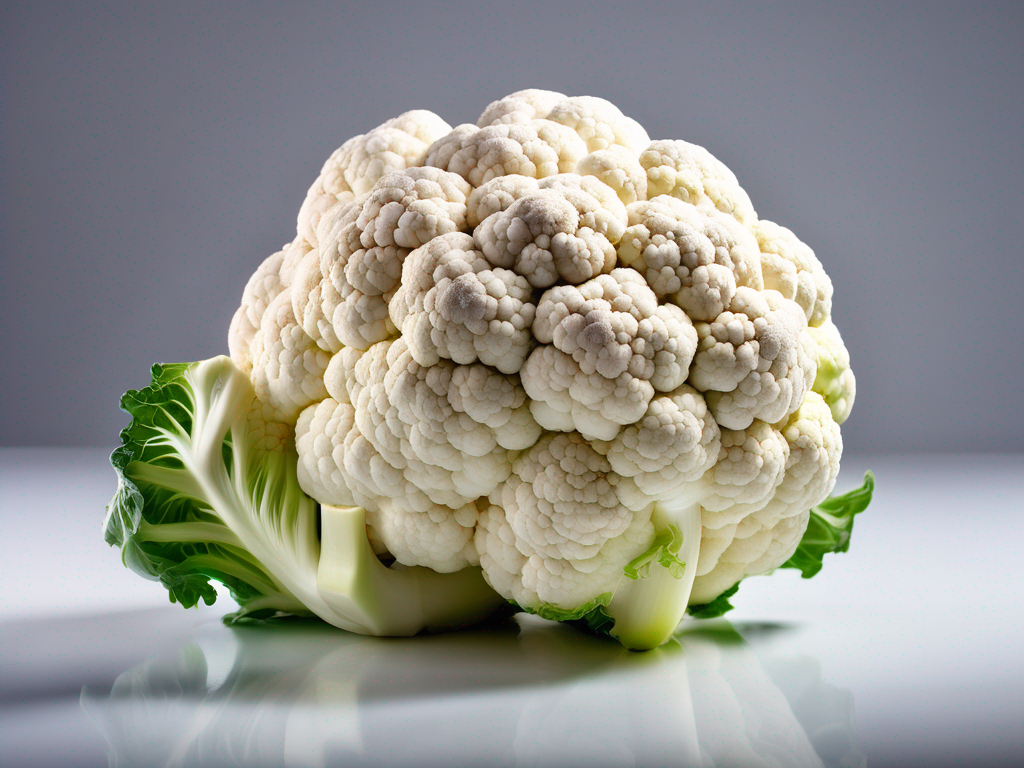
Cauliflower is a versatile and nutritious vegetable that can be enjoyed in various dishes, from roasted cauliflower to cauliflower rice. However, sometimes you may find yourself with more cauliflower than you can use before it starts to go bad. Freezing cauliflower is a great way to extend its shelf life and retain its quality for future use. In this blog post, we will discuss the ins and outs of freezing cauliflower, including tips on how to properly freeze, store, and use frozen cauliflower. (Cauliflower)
Why Freeze Cauliflower?
Cauliflower is a perishable vegetable that typically lasts about a week in the refrigerator. Freezing cauliflower allows you to preserve it for an extended period, usually up to 6-12 months, without compromising its taste and nutritional value. By freezing cauliflower, you can prevent it from spoiling and reduce food waste.
Benefits of Freezing Cauliflower:
- Extends shelf life
- Convenient for meal prep
- Retains nutritional value
- Reduces food waste
How to Freeze Cauliflower:
Freezing cauliflower is a simple process that can be done in a few easy steps. Follow these guidelines to ensure that your frozen cauliflower stays fresh and flavorful:
Proper airflow and humidity control can significantly extend produce freshness. Many households use produce storage containers (Amazon) in the refrigerator to regulate moisture and slow spoilage.
Step 1: Selecting Fresh Cauliflower
- Choose fresh, firm cauliflower heads without any brown spots or discoloration.
- Wash the cauliflower thoroughly under running water to remove any dirt or debris.
Step 2: Prepping the Cauliflower
- Remove the green leaves and trim the stem of the cauliflower.
- Cut the cauliflower into florets of uniform size for even freezing.
Step 3: Blanching the Cauliflower
- Blanching is essential to preserve the texture and color of cauliflower.
- Bring a pot of water to a boil and add the cauliflower florets.
- Boil for 2-3 minutes, then immediately transfer the florets to an ice water bath to stop the cooking process.
- Drain the cauliflower thoroughly before freezing.
Step 4: Freezing the Cauliflower
- Spread the blanched cauliflower florets in a single layer on a baking sheet lined with parchment paper.
- Place the baking sheet in the freezer and freeze the cauliflower for 1-2 hours until firm.
- Transfer the frozen cauliflower florets to airtight freezer-safe containers or bags, removing excess air before sealing.
Step 5: Labeling and Storing
- Label the containers with the date of freezing to keep track of freshness.
- Store the frozen cauliflower in the coldest part of the freezer, away from odorous foods to prevent flavor transfer.
Tips for Using Frozen Cauliflower:
Frozen cauliflower can be used in a variety of dishes, including soups, stir-fries, and casseroles. Here are some tips for using frozen cauliflower effectively:
- Thawing: Thaw frozen cauliflower in the refrigerator overnight or microwave it on a defrost setting before using.
- Cooking: Use frozen cauliflower in cooked dishes like curries or roasted vegetables for best results.
- Texture: Frozen cauliflower may have a slightly softer texture than fresh cauliflower but works well in recipes that require cooking.
- Storage: Use frozen cauliflower within 6-12 months for the best quality and taste.
Safety Precautions:
When freezing cauliflower or any other food, it's essential to follow proper safety precautions to prevent foodborne illnesses. Here are some safety tips to keep in mind:
- Wash your hands thoroughly before handling cauliflower.
- Use clean utensils and surfaces to prevent cross-contamination.
- Ensure that the cauliflower is fully cooked before consuming to kill any bacteria.
- Discard any frozen cauliflower that shows signs of freezer burn or spoilage.
Conclusion:
Freezing cauliflower is a practical way to extend its shelf life and reduce food waste. By following the proper steps for freezing, storing, and using frozen cauliflower, you can enjoy this nutritious vegetable in your favorite dishes all year round. Remember to prioritize food safety by following hygiene practices and monitoring the quality of frozen cauliflower before consumption. With these tips, you can make the most of your cauliflower harvest and always have this versatile vegetable on hand for future meals. (Cauliflower)
Keeping produce organized can improve air circulation and cooling. refrigerator organizer bins (Amazon) help reduce overcrowding and maintain consistent refrigerator temperatures.
Authoritative Food Safety References
These agencies and university labs inform every tip and health precaution we publish.
USDA FoodKeeper – Cold Storage Guidelines
Official refrigerator, freezer, and pantry timelines maintained by the U.S. Department of Agriculture.
Visit USDA FoodKeeperFDA Produce Safety Rule & Grower Guidance
Field-to-fridge handling practices that prevent contamination of fruits, vegetables, and leafy greens.
Visit FDA Produce SafetyCDC Foodborne Illness Prevention Hub
Surveillance-backed guidance on pathogens, symptoms, and steps to reduce foodborne illness risk.
Visit CDC Food SafetyUC Davis Postharvest Technology Center
University research detailing optimal storage atmospheres for produce after harvest.
Visit UC Davis PostharvestPenn State Extension – Home Food Preservation & Safety
Peer-reviewed extension bulletins on safe canning, chilling, and reheating practices.
Visit Penn State ExtensionDisclosure: As an Amazon Associate, we earn from qualifying purchases. This helps support our site and allows us to continue providing free food safety information.