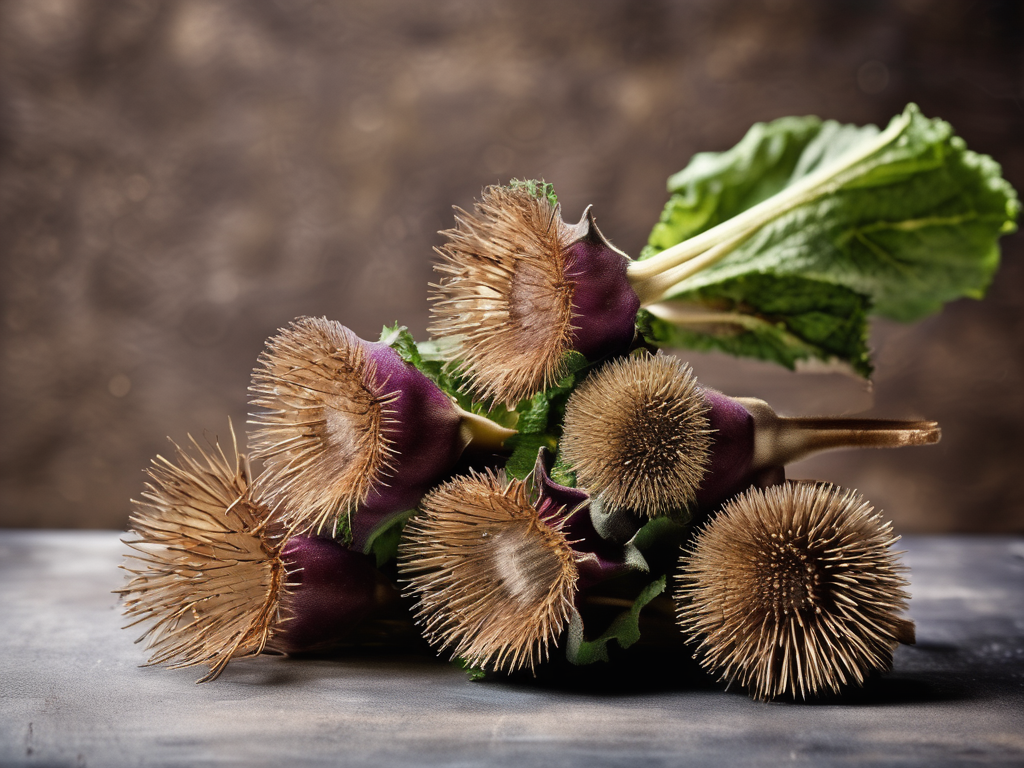
Freezing Burdock: A Guide to Preserving this Nutritious Root Vegetable
Freezing Burdock: A Guide to Preserving this Nutritious Root Vegetable
Burdock, also known as Arctium lappa, is a versatile and nutritious root vegetable that is commonly used in various culinary dishes. Whether you have an abundance of fresh burdock on hand or simply want to extend its shelf life, freezing burdock is a great way to preserve it for later use. In this comprehensive guide, we will explore the benefits of freezing burdock, the best practices for freezing it, and some key tips to ensure food safety. (Burdock)
Benefits of Freezing Burdock
Freezing burdock has several advantages, making it a convenient and practical method for preserving this root vegetable:
-
Extended Shelf Life: Freezing burdock can significantly extend its shelf life, allowing you to enjoy this nutritious vegetable for an extended period.
💡Proper cooking temperatures are essential for food safety. An instant-read food thermometer (Amazon) helps ensure meat reaches safe internal temperatures and reduces the risk of foodborne illness.
-
Convenience: By freezing burdock, you can have this ingredient readily available for future use, saving you time and effort in meal preparation.
-
Nutrient Retention: When frozen properly, burdock can retain its nutrients and flavors, ensuring that you can enjoy its nutritional quality even after freezing.
How to Freeze Burdock
Freezing burdock is a straightforward process that requires minimal effort. Follow these simple steps to freeze burdock effectively:
Refrigerator temperature fluctuations can accelerate spoilage and increase food safety risks. A refrigerator thermometer (Amazon) helps monitor consistent cold storage (40°F or below).
Step 1: Selecting and Preparing Burdock
-
Choose fresh and firm burdock roots that are free from blemishes or soft spots.
-
Wash the burdock roots thoroughly under running water to remove any dirt or debris.
-
Peel the burdock roots using a vegetable peeler to remove the tough outer skin.
Step 2: Cutting and Blanching Burdock
-
Cut the peeled burdock roots into desired shapes, such as slices or strips, based on your preference.
-
Fill a pot with water and bring it to a boil.
-
Blanch the burdock slices or strips in boiling water for 2-3 minutes to deactivate enzymes that can cause loss of flavor and color during freezing.
Step 3: Cooling and Freezing Burdock
-
Remove the blanched burdock from the boiling water and immediately plunge them into a bowl of ice water to stop the cooking process.
-
Drain the burdock slices or strips and pat them dry with a clean kitchen towel.
-
Place the dried burdock pieces in a single layer on a baking sheet lined with parchment paper.
-
Place the baking sheet in the freezer and flash freeze the burdock for 1-2 hours until they are firm.
Step 4: Storing Frozen Burdock
-
Once the burdock pieces are frozen solid, transfer them to airtight freezer-safe containers or resealable plastic bags.
-
Label the containers with the date of freezing to keep track of the storage time.
-
Store the frozen burdock in the freezer at 0°F (-18°C) or below for optimal quality and freshness.
Safety Tips for Freezing Burdock
When freezing burdock, it is essential to follow these safety tips to ensure the quality and safety of the frozen product:
Proper Handling and Storage
-
Always wash your hands and utensils thoroughly before handling burdock to prevent cross-contamination.
-
Store frozen burdock away from raw meats or other potentially hazardous foods in the freezer to avoid contamination.
Thawing and Reheating
-
Thaw frozen burdock in the refrigerator overnight or use the defrost setting on the microwave for gradual thawing.
-
Reheat frozen burdock thoroughly to an internal temperature of 165°F (74°C) before consuming to kill any harmful bacteria.
Shelf Life
-
Frozen burdock can be stored in the freezer for up to 6-12 months for the best quality.
-
Discard any frozen burdock that shows signs of freezer burn or off flavors.
Conclusion
Freezing burdock is a simple and effective way to preserve this nutritious root vegetable for later use. By following the proper steps for selecting, preparing, and freezing burdock, you can enjoy its nutritional quality and culinary versatility throughout the year. Remember to prioritize food safety by handling burdock with care, storing it correctly, and observing proper thawing and reheating practices. With these tips in mind, you can make the most of this delicious ingredient in your cooking endeavors.
Whether you have a surplus of burdock from your garden or want to stock up on this versatile vegetable for future recipes, freezing burdock is a practical solution that allows you to enjoy its unique flavors and nutritional benefits whenever you desire. So don't let your burdock go to waste – freeze it today and savor its goodness in your favorite dishes! (Burdock)
Authoritative Food Safety References
These agencies and university labs inform every tip and health precaution we publish.
USDA FoodKeeper – Cold Storage Guidelines
Official refrigerator, freezer, and pantry timelines maintained by the U.S. Department of Agriculture.
Visit USDA FoodKeeperFDA Produce Safety Rule & Grower Guidance
Field-to-fridge handling practices that prevent contamination of fruits, vegetables, and leafy greens.
Visit FDA Produce SafetyCDC Foodborne Illness Prevention Hub
Surveillance-backed guidance on pathogens, symptoms, and steps to reduce foodborne illness risk.
Visit CDC Food SafetyUC Davis Postharvest Technology Center
University research detailing optimal storage atmospheres for produce after harvest.
Visit UC Davis PostharvestPenn State Extension – Home Food Preservation & Safety
Peer-reviewed extension bulletins on safe canning, chilling, and reheating practices.
Visit Penn State ExtensionDisclosure: As an Amazon Associate, we earn from qualifying purchases. This helps support our site and allows us to continue providing free food safety information.