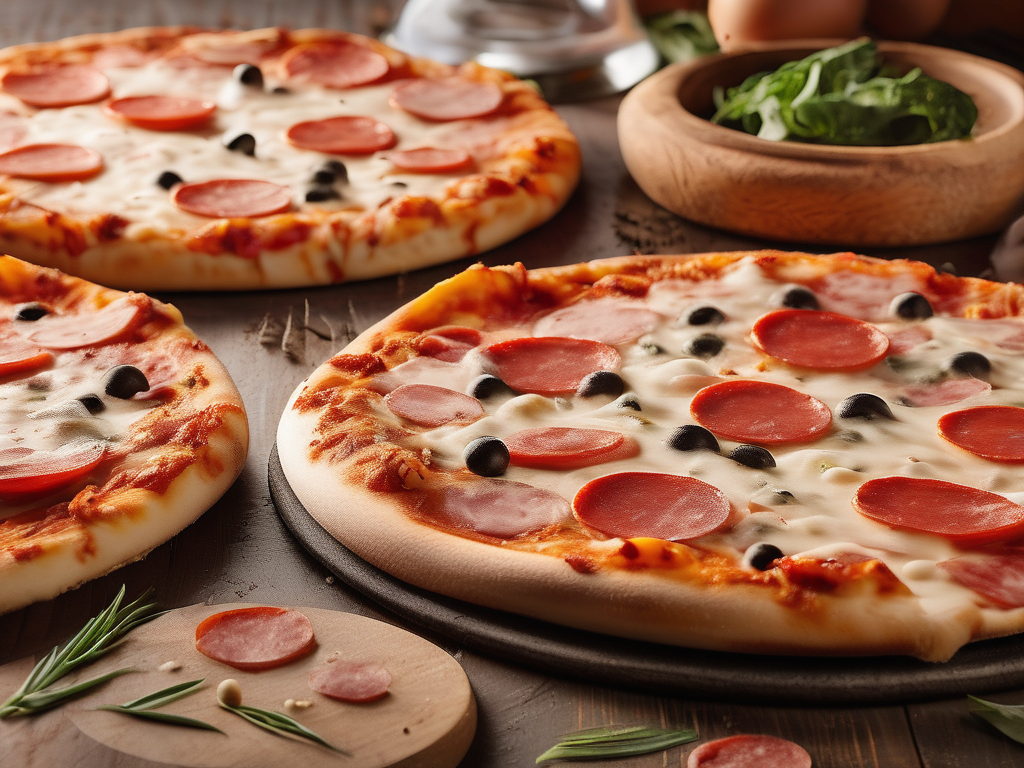
Can You Eat Expired Frozen Pizza: A Comprehensive Guide
Can You Eat Expired Frozen Pizza: A Comprehensive Guide
In today's fast-paced world, frozen pizza has become a convenient and popular meal choice for many households. It offers a quick and easy solution for busy weeknights or lazy weekends. However, like all food products, frozen pizza also comes with an expiration date. But what happens if you find a forgotten box of frozen pizza buried deep in your freezer, far past its expiration date? Can you still safely eat it? In this blog post, we will explore the topic of expired frozen pizza and provide you with all the information you need to make an informed decision. (Frozen pizza)
Understanding Expiration Dates on Frozen Pizza
When it comes to frozen pizza, the expiration date serves as a guideline for optimal quality and taste. It is not a strict deadline after which the pizza becomes unsafe to eat. The expiration date indicates the manufacturer's recommendation for consuming the product before it starts to deteriorate in quality. Here are a few key points to keep in mind:
Types of Expiration Dates on Frozen Pizza:
-
"Sell By" Date: This date is primarily for the retailer and indicates how long the store should display the product for sale. It is not necessarily an indicator of the product's safety.
-
"Best By" Date: This date suggests when the product is likely to be at its best quality in terms of taste and texture. It is still safe to consume the product after this date, but the quality may start to decline.
-
"Use By" Date: This date is the manufacturer's recommendation for when the product should be consumed for the best taste and quality. It is still safe to eat the product after this date as long as it has been stored properly.
Can You Eat Expired Frozen Pizza?
The short answer is yes, you can eat expired frozen pizza, provided it has been stored correctly. However, there are a few factors to consider before digging into that ancient box of frozen pizza:
Factors to Consider:
-
Storage Conditions: Frozen foods, including pizza, should be kept at 0°F or below to maintain their quality for an extended period. If the pizza has been stored at a consistent temperature and shows no signs of thawing, it may still be safe to eat.
-
Packaging Integrity: Check the packaging for any signs of damage, such as tears, ice crystals (freezer burn), or discoloration. If the packaging is compromised, the pizza may have been exposed to air and moisture, affecting its quality.
-
Smell and Appearance: Thawed frozen pizza may develop off-flavors or odors. If the pizza smells sour, rancid, or off-putting, it is best to discard it. Similarly, if the pizza shows signs of freezer burn or discoloration, it may not be safe to eat.
common situation
-
The Busy Parent: Imagine you’re a busy parent who juggles work and family life. One evening, after a long day, you discover a frozen pizza tucked away in the back of the freezer, with a “best by” date that’s several months past. You might wonder, “Is it still okay to serve this to my kids?” Knowing the factors to consider can help you make a safe choice, allowing you to turn a potentially wasted meal into a quick dinner.
-
Spontaneous Movie Night: Picture this: It’s Friday night, and you’re planning an impromptu movie night with friends. While searching for snacks, you stumble upon a box of frozen pizza in your freezer. The “use by” date is long gone. Instead of panicking, you remember to assess the pizza’s packaging, smell, and appearance before deciding to heat it up for your guests. You not only save the pizza but also impress your friends with a tasty treat.
-
The College Student: A college student may often rely on frozen pizza for late-night study sessions. One night, while rummaging through the freezer for a snack, they find an old box of frozen pizza. With no idea when it was purchased, they wonder if it’s worth the risk. Knowing how to evaluate the pizza can lead them to a delicious late-night snack or a lesson in food safety.
More Relatable Examples
-
The Weekend Chef: After a long week, a home cook decides to throw a dinner party. While prepping, they find an old frozen pizza at the back of the freezer. With a “best by” date from last year, they consider whether to use it or order a fresh one. Remembering the importance of checking for any signs of freezer burn or off-odors, they take a chance, bake the pizza, and receive rave reviews from their guests, all while saving money.
-
The Post-Gym Snack: A fitness enthusiast returns home after a grueling workout, ready to refuel. They pull out a frozen pizza that has long passed its “use by” date but looks intact. Before deciding whether to indulge, they inspect the pizza’s condition. After confirming that it appears fine, they enjoy a well-deserved slice and feel good about their meal choice.
Safety Tips for Eating Expired Frozen Pizza:
- When in doubt, throw it out. If you are unsure about the safety or quality of the expired frozen pizza, it is best to err on the side of caution and discard it.
- Follow proper cooking instructions. Cooking the pizza at the recommended temperature and time can help kill any potential bacteria that may have developed.
- Avoid refreezing thawed pizza. Once frozen pizza has thawed, it should be cooked and consumed promptly. Refreezing can affect the taste and texture of the pizza.
Scientific Context: The Science Behind Freezing
Understanding how freezing affects food safety can empower you when deciding whether to consume that old pizza. Freezing slows down the movement of molecules, which means bacteria, yeasts, and molds can't grow as quickly. This is why frozen foods can last long periods without spoiling. However, while freezing doesn’t kill bacteria, it can slow their growth significantly.
Additionally, the development of freezer burn—when moisture evaporates from the surface of the food—can impact texture and flavor, even if the food is technically safe to eat. Freezer burn occurs when food packaging isn’t airtight, allowing air to reach the food.
Practical Tips for Evaluating Frozen Pizza
- Use the Visual Test: Look for any discoloration, ice crystals, or changes in texture. If the toppings appear dry or the crust looks shriveled, it might be best to toss it.
- Conduct a Sniff Test: If the pizza smells off or unusual, it’s better to be safe than sorry. Fresh pizza should smell appetizing and cheesy!
- Check the Texture: If the crust is hard or overly dry due to freezer burn, it can still be cooked but might not offer the best dining experience.
Proper Storage of Frozen Pizza
To ensure the longevity and quality of your frozen pizza, proper storage is key. Follow these tips to keep your frozen pizza fresh:
- Maintain a Consistent Freezer Temperature: Set your freezer temperature to 0°F or below to prevent the growth of bacteria and maintain the quality of the pizza.
- Store Pizza Properly: Keep frozen pizza in its original packaging or transfer it to an airtight container or freezer bag to prevent freezer burn.
- Organize Your Freezer: Properly label and organize your freezer to avoid losing track of items and ensure timely consumption.
- Rotate Stock: Practice FIFO (first in, first out) to ensure older frozen pizzas are consumed before newer ones to maintain freshness.
Common Mistakes to Avoid
- Ignoring Expiration Dates: Many people think that if a product is only slightly past its expiration date, it is safe to eat. However, it’s essential to check the overall condition of the food item to ensure its safety.
- Inconsistency in Freezer Temperature: Frequently opening the freezer door or failing to keep it at the proper temperature can lead to thawing and refreezing cycles that compromise food safety.
- Not Checking for Freezer Burn: Freezer burn can occur when food is exposed to air, leading to dehydration. It may not be unsafe to eat, but it can ruin the flavor and texture, making the pizza less enjoyable.
Expert Insights
Food safety experts emphasize the importance of understanding expiration dates and food storage best practices. According to the USDA, frozen foods remain safe indefinitely as long as they are kept frozen, but quality will decline over time. They recommend consuming frozen pizza within 1-2 months past the “best by” date for the best taste and texture.
Additionally, experts advise regularly cleaning the freezer to remove any old or expired items. This not only helps with food safety but also maximizes storage space for fresh items. They also suggest keeping a freezer inventory list to track what you have and when it should be consumed by, making meal planning easier.
Safety Warnings
It’s important to note that while older frozen pizza can often be safe to eat, it is not without risk. Always be aware of the following:
- Foodborne Illness: Eating food that has been improperly stored or is too old can lead to foodborne illnesses, which can be serious.
- Sensitive Populations: Children, pregnant women, older adults, and individuals with compromised immune systems should be more cautious about consuming expired products.
- Allergy Awareness: If you’re relying on old frozen pizza, make sure to check the ingredients list carefully, especially if you or someone in your household has food allergies.
Conclusion
In conclusion, eating expired frozen pizza is generally safe as long as the pizza has been stored properly and shows no signs of spoilage. However, it is essential to use your judgment and consider factors such as storage conditions, packaging integrity, smell, and appearance before consuming expired frozen pizza. When in doubt, it is always best to discard the pizza to avoid the risk of foodborne illness. By following proper storage guidelines and safety tips, you can enjoy delicious frozen pizza without compromising your health. Remember, when it comes to food safety, it's better to be safe than sorry.
For more information on frozen pizza safety and storage tips, stay tuned for our upcoming blog posts. (Frozen pizza)
Related Posts
Here are some other articles you might find helpful:
Authoritative Food Safety References
These agencies and university labs inform every tip and health precaution we publish.
USDA FoodKeeper – Cold Storage Guidelines
Official refrigerator, freezer, and pantry timelines maintained by the U.S. Department of Agriculture.
Visit USDA FoodKeeperFDA Produce Safety Rule & Grower Guidance
Field-to-fridge handling practices that prevent contamination of fruits, vegetables, and leafy greens.
Visit FDA Produce SafetyCDC Foodborne Illness Prevention Hub
Surveillance-backed guidance on pathogens, symptoms, and steps to reduce foodborne illness risk.
Visit CDC Food SafetyUC Davis Postharvest Technology Center
University research detailing optimal storage atmospheres for produce after harvest.
Visit UC Davis PostharvestPenn State Extension – Home Food Preservation & Safety
Peer-reviewed extension bulletins on safe canning, chilling, and reheating practices.
Visit Penn State Extension