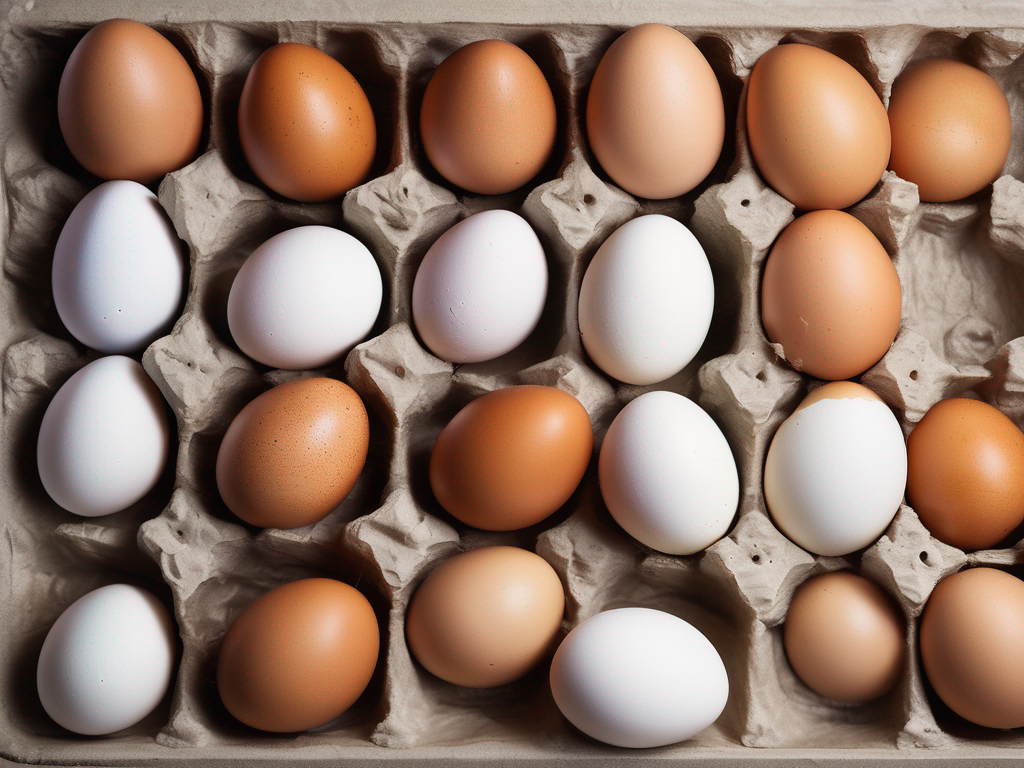
Can You Eat Eggs After the Sell-By Date?
Can You Eat Eggs After the Sell-By Date?
In the quest for reducing food waste and saving money, many people wonder if it's safe to consume eggs after the sell-by date has passed. In this blog post, we will delve into the topic of egg safety, address concerns related to expiration dates, and provide you with practical tips on how to determine the freshness of eggs. (Eggs)
Understanding Egg Expiration Dates
Egg cartons typically come labeled with three types of dates: sell-by, best-by, and expiration. It's important to understand the distinctions between these dates to make informed decisions about the safety of consuming eggs.
Sell-By Date
The sell-by date is an indicator for retailers, informing them of the last date by which they should sell the eggs. It is not a strict expiration date for consumers but rather a guideline for freshness.
Proper airflow and humidity control can significantly extend produce freshness. Many households use produce storage containers (Amazon) in the refrigerator to regulate moisture and slow spoilage.
Best-By Date
The best-by date suggests the period during which the eggs are at their peak quality in terms of taste and texture. Consuming eggs after this date may not pose a health risk but could can increase the likelihood of a decrease in quality.
Expiration Date
The expiration date signifies the date by which the eggs should be consumed to ensure maximum freshness and safety. It is recommended to adhere to this date for optimal quality.
Factors Affecting Egg Freshness
Several factors can impact the freshness and safety of eggs, regardless of the expiration date printed on the carton. Understanding these factors can help you make informed decisions about consuming eggs past their sell-by date.
Keeping produce organized can improve air circulation and cooling. refrigerator organizer bins (Amazon) help reduce overcrowding and maintain consistent refrigerator temperatures.
Storage Conditions
Proper storage is crucial for maintaining the freshness of eggs. Follow these guidelines to ensure the longevity of your eggs:
- Store eggs in the refrigerator at a consistent temperature below 40°F (4°C).
- Keep eggs in their original carton to protect them from absorbing strong odors in the fridge.
- Avoid storing eggs near foods with strong odors, as eggs can easily absorb odors.
Egg Quality
The quality of eggs can vary based on factors such as the hen's diet, age, and handling practices. Fresh eggs typically have a firm yolk and thick whites, while older eggs may exhibit thinner whites and a flatter yolk.
Egg Candling
Candling is a process used to assess the quality and freshness of eggs by shining a light through them. This technique can help you determine if an egg is still safe to eat, even if the expiration date has passed.
Safety Considerations for Consuming Eggs After the Sell-By Date
When considering consuming eggs after the sell-by date, it's important to prioritize food safety. Follow these safety considerations to reduce the risk of foodborne illness:
The Float Test
Perform the float test by placing an egg in a bowl of water. If the egg sinks and lays flat on the bottom, it is fresh. If it stands upright on the bottom, it is still safe to eat but should be consumed soon. If the egg floats to the top, it is no longer fresh and should be discarded.
Sniff Test
Use your sense of smell to determine the freshness of eggs. Fresh eggs have a neutral odor, while spoiled eggs may emit a sulfurous or rotten smell. Trust your senses and discard any eggs with off-putting odors.
Visual Inspection
Inspect the egg visually by checking for any cracks, unusual discoloration, or mold growth. Discard eggs that show signs of damage or contamination, as consuming them can pose health risks.
common situation
Many people have encountered the dilemma of whether to use eggs beyond the sell-by date. Take Sarah, for example. She was preparing for a family brunch when she noticed that the eggs in her fridge had passed the sell-by date by a few days. Instead of tossing them out, she decided to perform the float test. To her relief, all the eggs sank, indicating they were still good. Sarah ended up making a delicious quiche that everyone loved, proving that with a little caution, eggs can still be safe and tasty.
Another situation involves Mark, who is an avid baker. He had planned to make his famous chocolate cake for a friend's birthday but realized that the eggs he bought were past the best-by date. Instead of panicking, he checked each egg with the sniff test and visual inspection. Satisfied that they were fresh, he proceeded without a hitch, making the cake that delighted his friend and saved him from unnecessary waste.
These examples show that, with a few simple tests, you can confidently enjoy your eggs, even if their sell-by date has passed.
Scientific Context
Eggs are a nutrient powerhouse, rich in protein, vitamins, and minerals. They contain essential amino acids that are vital for our body. Interestingly, the way eggs are produced and handled affects their safety and longevity. The USDA mandates that eggs be washed and sanitized to remove contaminants. This process can actually reduce an egg's natural protective coating, which is why proper refrigeration is crucial.
As eggs age, a natural process occurs where the air cell inside the egg enlarges, causing changes in buoyancy. This is why the float test works effectively — as time passes, older eggs will float due to increased air pockets.
Common Mistakes
Many people mistakenly believe that any egg past the sell-by date is unsafe to eat. However, this is not always the case. It’s also common to ignore the importance of proper storage. For example, some individuals store their eggs in the fridge door, where temperatures fluctuate. Instead, eggs should be stored on a middle shelf where the temperature is more stable.
Another mistake is not checking for signs of spoilage. Just because an egg is past its sell-by date doesn’t automatically mean it’s bad. Always use your senses and perform checks.
Expert Insights
Food safety experts recommend using eggs within three to five weeks of purchase for the best quality. However, this is not a strict rule. Depending on how eggs are stored, they can often remain good for several weeks beyond the sell-by date.
Food safety guidance from public health agencies, a food scientist, emphasizes the importance of understanding the storage conditions: “Eggs can remain safe even after their sell-by date, provided they’ve been stored correctly. The best approach is to evaluate each egg individually rather than relying solely on the printed dates.”
Storage Methods
To maximize the shelf life of your eggs, consider these storage methods:
-
Keep Them Cool: Always store eggs in the coldest part of your refrigerator, not in the door, to maintain a consistent temperature.
-
Use the Original Carton: The protective carton not only keeps eggs safe from damage but also helps to prevent moisture loss.
-
Consider Freezing: If you find that you have too many eggs and are concerned about their freshness, you can freeze them. Beat whole eggs and pour them into an airtight container, or separate the whites and yolks if you prefer. They can be frozen for up to a year. Just remember to label the container with the date.
-
Avoid Washing: Unless eggs are visibly dirty, avoid washing them, as this can remove the protective coating and make them more susceptible to bacteria.
Safety Warnings
While eggs can be consumed beyond their sell-by date, never take risks with your health. If you have any doubts about the quality of an egg, it is best to err on the side of caution and discard it. Remember that certain groups, such as pregnant women, young children, and those with compromised immune systems, should be particularly cautious about consuming eggs that are close to or past their sell-by date.
Conclusion
In conclusion, while it is possible to consume eggs after the sell-by date, it is essential to prioritize food safety and freshness. By understanding expiration dates, storage guidelines, and safety considerations, you can make informed decisions about the consumption of eggs past their recommended date. Remember to use your senses, perform simple tests, and trust your judgment when determining the freshness of eggs. Enjoy your eggs responsibly and minimize food waste while ensuring your well-being. (Eggs)
Related Posts
Here are some other articles you might find helpful:
Authoritative Food Safety References
These agencies and university labs inform every tip and health precaution we publish.
USDA FoodKeeper – Cold Storage Guidelines
Official refrigerator, freezer, and pantry timelines maintained by the U.S. Department of Agriculture.
Visit USDA FoodKeeperFDA Produce Safety Rule & Grower Guidance
Field-to-fridge handling practices that prevent contamination of fruits, vegetables, and leafy greens.
Visit FDA Produce SafetyCDC Foodborne Illness Prevention Hub
Surveillance-backed guidance on pathogens, symptoms, and steps to reduce foodborne illness risk.
Visit CDC Food SafetyUC Davis Postharvest Technology Center
University research detailing optimal storage atmospheres for produce after harvest.
Visit UC Davis PostharvestPenn State Extension – Home Food Preservation & Safety
Peer-reviewed extension bulletins on safe canning, chilling, and reheating practices.
Visit Penn State ExtensionDisclosure: As an Amazon Associate, we earn from qualifying purchases. This helps support our site and allows us to continue providing free food safety information.