Can I Eat Expired Peanut Butter: Food Safety and Storage Guide
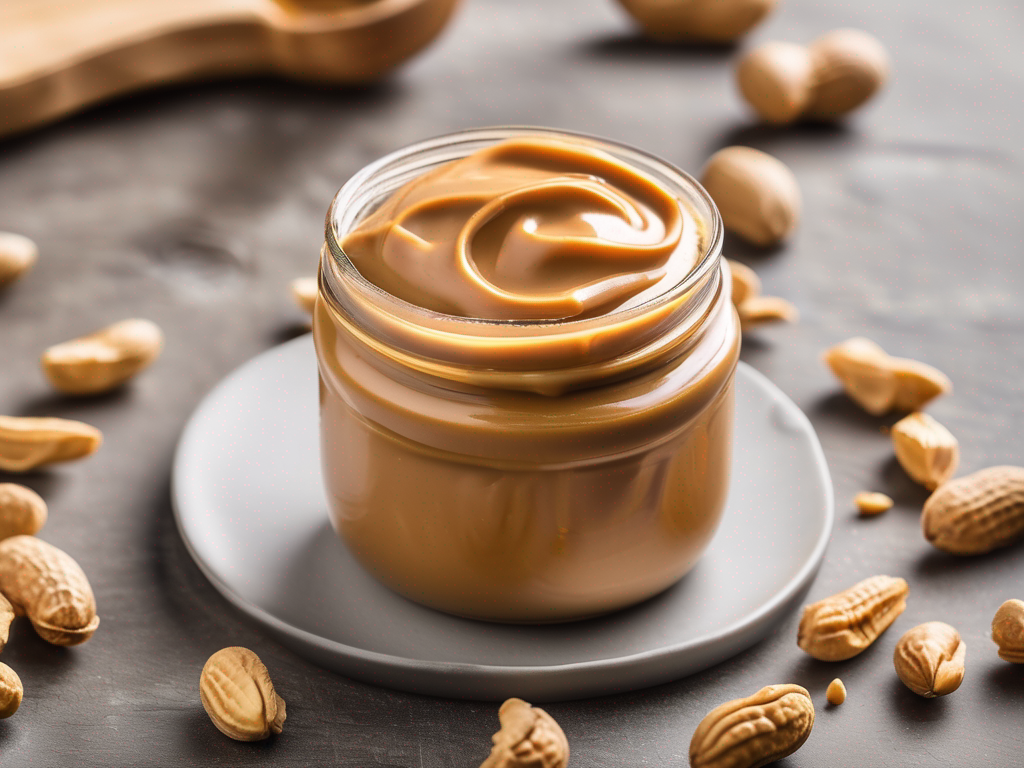
Peanut butter is a versatile and delicious spread loved by many. Whether you enjoy it on toast, in sandwiches, or as an ingredient in recipes, peanut butter is a pantry staple for countless households. However, with its long shelf life, you may find yourself wondering, "Can I eat expired peanut butter?" In this guide, we will explore the safety of consuming expired peanut butter and provide essential tips for storing it properly. (Peanut butter)
Understanding Expiration Dates on Peanut Butter
Peanut butter typically comes with a "best by" or "use by" date on the packaging. It's important to differentiate between these two labels:
- Best By Date: This date indicates the manufacturer's recommendation for when the product is at its peak quality in terms of taste and texture. Consuming peanut butter after the best by date does not necessarily mean it is unsafe.
- Use By Date: This date is a guideline for when the product should be consumed by for optimal freshness and safety. Eating peanut butter after the use by date may pose some risks.
Factors Affecting Peanut Butter Shelf Life
Several factors can impact the shelf life of peanut butter, including:
Dairy products require consistent cold storage to prevent spoilage and bacterial growth. A refrigerator thermometer (Amazon) helps ensure your refrigerator maintains safe temperatures (40°F or below).
- Storage Conditions: Proper storage is crucial for maintaining the quality and safety of peanut butter. Exposure to heat, light, and moisture can accelerate rancidity and spoilage.
- Type of Peanut Butter: Natural peanut butter with no added preservatives may have a shorter shelf life compared to commercial varieties with stabilizers.
- Contamination: Cross-contamination with utensils or fingers can introduce bacteria and mold, leading to spoilage.
Can You Eat Expired Peanut Butter?
While the expiration date is a helpful guideline for freshness, it does not always indicate whether peanut butter is safe to eat after that date. Here are some key points to consider:
- Appearance: Check for any signs of mold, unusual color changes, or off odors in the peanut butter. If it looks or smells off, discard it.
- Texture: Spoiled peanut butter may develop a grainy or oily texture. If the texture seems off, it's best to err on the side of caution.
- Taste: Rancid peanut butter will have a bitter or sour taste. If the flavor is off, it's advisable not to consume it.
common situation: When Expired Peanut Butter Might Come into Play
Imagine you've just returned from a long day at work, and you’re craving a quick peanut butter sandwich. You reach for your trusty jar, only to find that it’s past the “best by” date. You might remember how your grandmother used to say, “A little bit of mold is good for the soul,” but should you really take that advice?
Or Common situations include student who discovers a jar of peanut butter in the back of the cupboard, untouched since last semester. With ramen noodles and instant mac and cheese being the mainstays of their diet, they wonder if that jar can still be salvaged for a much-needed protein boost.
After opening, transferring dairy into an airtight container (Amazon) can reduce odor absorption, limit moisture exposure, and help slow bacterial growth.
In each of these situation, the key is to assess the peanut butter's condition rather than strictly adhering to the date label.
Another situation: Unexpected Guests
Picture this: You’ve invited some friends over for a casual game night, and you want to whip up a quick batch of peanut butter cookies to impress them. In your rush, you glance at the jar of peanut butter and see that it expired a month ago. You might hesitate, but what if you could revive that jar with a little TLC? A quick sensory check could save the day, allowing you to serve those warm, gooey cookies without a hitch.
Safety Tips for Consuming Expired Peanut Butter
If you're unsure about the safety of expired peanut butter, consider the following precautions:
- Perform a Sensory Check: Use your senses to assess the quality of the peanut butter—look, smell, and taste it before deciding to eat it.
- Consult the Manufacturer: Some brands provide customer service contacts for inquiries about product safety and shelf life.
- Store Properly: To extend the shelf life of peanut butter, store it in a cool, dark place away from heat sources and sunlight.
Proper Storage of Peanut Butter
To maximize the shelf life and quality of your peanut butter, follow these storage tips:
- Seal Properly: Always seal the jar tightly after each use to prevent air and moisture from entering.
- Avoid Direct Sunlight: Store peanut butter in a dark cupboard or pantry away from direct sunlight.
- Refrigerate Natural Peanut Butter: Natural peanut butter without preservatives should be refrigerated to prevent spoilage.
- Use Clean Utensils: To avoid contamination, use clean utensils when scooping out peanut butter.
Common Mistakes When Handling Peanut Butter
Many people don’t realize the impact of improper handling on peanut butter's longevity. A common mistake is leaving the jar open for extended periods. Not only does this allow air and moisture to compromise the quality, but it can also invite pests. Another oversight is neglecting to check for signs of spoilage regularly, especially if the jar has been sitting for months.
Additionally, some consumers might think that all peanut butter is created equal, but natural varieties can spoil faster than processed options due to the absence of preservatives. This can lead to an unfortunate surprise when reaching for a snack.
A Not-So-Sweet Surprise
Have you ever reached for your peanut butter jar only to find a layer of oil floating on top? Many people don’t realize that this can happen naturally, especially with natural peanut butter. While mixing it back in is often fine, if the oil separation is excessive or if you detect a strange smell, it’s better to toss it and get a new jar. Relying on a visual cue can prevent a not-so-sweet surprise when you’re about to dig in.
Expert Insights: Food Safety Recommendations
Food safety experts often emphasize the importance of visual and olfactory cues in determining the edibility of food items. Food safety guidance from public health agencies, a food safety consultant, advises, “The best approach is to trust your senses. If something seems off, it’s better to be safe than sorry. Peanut butter can last for months beyond its best by date if stored properly, but there’s no reason to take unnecessary risks.”
The Science Behind Peanut Butter Preservation
Understanding a bit of the science behind how peanut butter is preserved can also help put your mind at ease. Peanut butter contains oils that can go rancid over time, particularly if exposed to heat and light. When oil oxidizes, it forms unpleasant flavors, odors, or reduced nutritional quality, which can not only lead to off-flavors but also potentially unpleasant flavors, odors, or reduced nutritional quality.
The addition of preservatives in many commercial brands helps to slow this process, extending shelf life significantly. However, in natural peanut butter, the lack of these additives means that proper storage becomes even more essential. Always check for the oil separation that occurs in natural varieties; this is normal and can be mixed back in, but excessive separation can be a sign of degradation.
Nutritional Considerations
Peanut butter is not just a tasty treat but also a good source of protein, healthy fats, and essential nutrients like vitamin E, magnesium, and potassium. Even after the expiration date, if the peanut butter has been stored properly and shows no signs of spoilage, it can still retain much of its nutritional value. Remember, the nutritional benefits can be compromised if the peanut butter has gone rancid, so always prioritize safety first.
Conclusion
In conclusion, while it's generally safe to consume peanut butter after the expiration date, it's essential to assess its quality using your senses before consuming it. Proper storage and handling practices can help extend the shelf life of peanut butter and maintain its freshness. By following the guidelines outlined in this guide, you can enjoy your favorite peanut butter safely and deliciously. Remember, when in doubt, it's best to throw it out. Learn more about peanut butter and enjoy this tasty spread responsibly! (Peanut butter)
Related Posts
Here are some other articles you might find helpful:
Authoritative Food Safety References
These agencies and university labs inform every tip and health precaution we publish.
USDA FoodKeeper – Cold Storage Guidelines
Official refrigerator, freezer, and pantry timelines maintained by the U.S. Department of Agriculture.
Visit USDA FoodKeeperFDA Produce Safety Rule & Grower Guidance
Field-to-fridge handling practices that prevent contamination of fruits, vegetables, and leafy greens.
Visit FDA Produce SafetyCDC Foodborne Illness Prevention Hub
Surveillance-backed guidance on pathogens, symptoms, and steps to reduce foodborne illness risk.
Visit CDC Food SafetyUC Davis Postharvest Technology Center
University research detailing optimal storage atmospheres for produce after harvest.
Visit UC Davis PostharvestPenn State Extension – Home Food Preservation & Safety
Peer-reviewed extension bulletins on safe canning, chilling, and reheating practices.
Visit Penn State ExtensionDisclosure: As an Amazon Associate, we earn from qualifying purchases. This helps support our site and allows us to continue providing free food safety information.