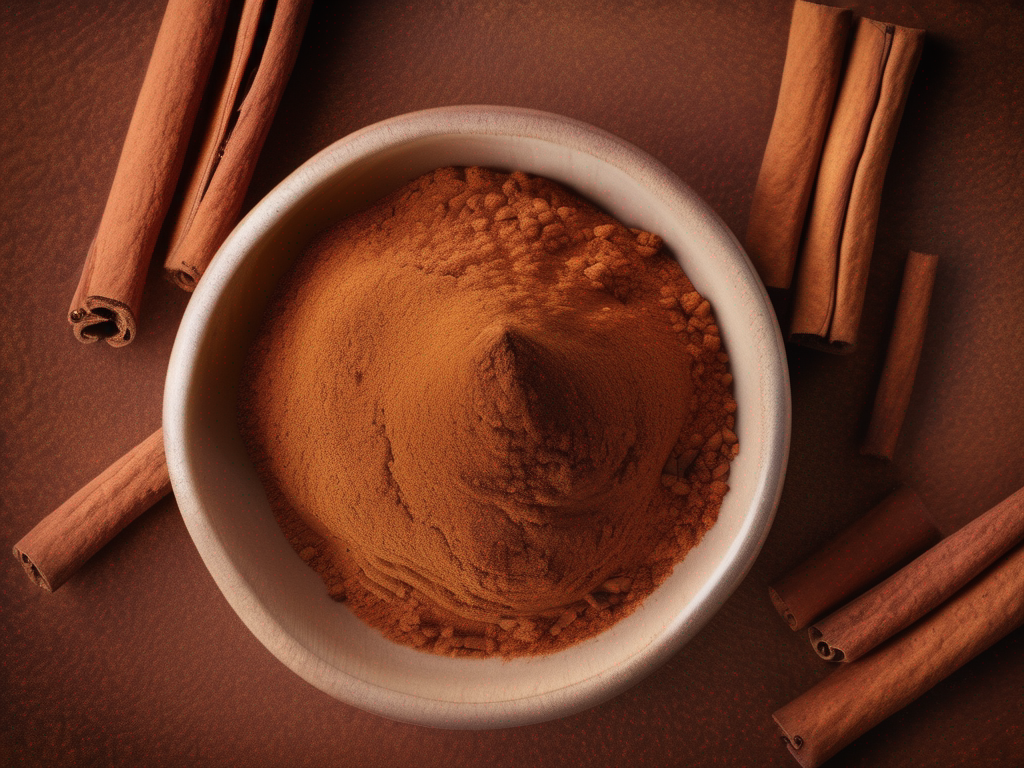
Can Ground Cinnamon Expire? Understanding Cinnamon Shelf Life and Storage
Can Ground Cinnamon Expire? Understanding Cinnamon Shelf Life and Storage
Ground cinnamon is a popular spice known for its warm, sweet flavor and aromatic qualities. It's a staple in many kitchens, used in a variety of sweet and savory dishes, from baked goods to curries. But like all spices, ground cinnamon can lose its flavor and potency over time. In this blog post, we will explore the question of whether ground cinnamon can expire, how to store it properly, and other essential tips for maintaining its quality.
Does Ground Cinnamon Expire?
Ground cinnamon, like any spice, does not technically expire in the same way that perishable foods do. However, it can lose its flavor, aroma, and potency over time, especially if not stored properly. The main factors that can affect the shelf life of ground cinnamon include:
1. Exposure to Air and Light
When ground cinnamon is exposed to air and light, its essential oils, which give it its flavor and aroma, can evaporate more quickly. This can can increase the likelihood of a loss of potency and flavor.
2. Moisture
Moisture can cause ground cinnamon to clump together and lose its quality. It can also lead to the growth of mold and bacteria, making the spice unsafe to use.
3. Heat
Exposure to heat can cause ground cinnamon to deteriorate more quickly. Storing it near the stove or in direct sunlight can accelerate this process.
4. Time
While ground cinnamon does not spoil in the same way that perishable foods do, its flavor and aroma will diminish over time. For the best quality, it's recommended to use ground cinnamon within a certain timeframe.
How to Store Ground Cinnamon Properly
To ensure that your ground cinnamon stays fresh and flavorful for as long as possible, follow these storage tips:
1. Store in a Cool, Dark Place
Keep ground cinnamon in a cool, dark place away from direct sunlight and heat sources. A cupboard or pantry is an ideal storage location.
2. Use Airtight Containers
Transfer ground cinnamon to airtight containers to protect it from air and moisture. Glass jars with tight-fitting lids work well for storing spices.
3. Label and Date
Be sure to label your ground cinnamon container with the date of purchase or the date it was opened. This will help you keep track of its freshness.
4. Avoid Moisture
To prevent moisture buildup, avoid storing ground cinnamon near the stove, dishwasher, or sink. Keep it away from areas of high humidity.
5. Check for Freshness
To check the freshness of your ground cinnamon, give it a sniff. If it doesn't have a strong aroma or smells musty, it may be time to replace it.
Tips for Using Ground Cinnamon Safely
In addition to proper storage, here are some tips for using ground cinnamon safely:
- Check for Signs of Spoilage: If your ground cinnamon has an off smell, strange color, or unusual texture, it may be spoiled and should be discarded.
- Use in Moderation: While ground cinnamon is safe to consume in small amounts, excessive intake can lead to health issues. Use it in moderation in your recipes.
- Purchase in Small Quantities: If you don't use ground cinnamon frequently, consider buying smaller quantities to ensure freshness.
- Store Away from Strong Odors: Ground cinnamon can absorb strong odors from other spices or foods, so store it away from pungent ingredients.
common situation with Ground Cinnamon
Many people have stories about their favorite spices and how they have encountered the aging of ground cinnamon. For instance, a friend of mine discovered an old jar of ground cinnamon when cleaning out her pantry. It was a remnant from her baking adventures during the holiday season years prior. Intrigued, she decided to use it in a batch of cinnamon rolls, only to find that the rolls lacked the warm, spicy aroma she remembered so well. Though the cinnamon was safe to eat, its diminished flavor left her feeling unsatisfied with the outcome. This experience taught her to always check the freshness of her spices before using them.
Another common situation involves home bakers who stock up on spices in bulk, thinking they’ll use them throughout the year. A colleague of mine bought a large volume of ground cinnamon for her holiday baking marathon. While she used some for her famous cookies, she neglected to store the remaining cinnamon properly. By the time she reached for it six months later to spice up her morning oats, she was met with lackluster flavor. She learned the hard way that while it’s economical to buy in bulk, proper storage is essential for preserving the quality of spices.
These experiences remind us that spices, like ground cinnamon, have characteristics that change over time. Keeping these situation in mind can help you become more vigilant about checking the quality of your spices before incorporating them into your favorite recipes.
Scientific Context: The Chemistry of Cinnamon
Ground cinnamon is derived from the inner bark of the Cinnamomum tree. It contains various compounds, such as cinnamaldehyde, which are responsible for its distinctive flavor and aroma. Over time, exposure to air, light, and moisture can cause these compounds to break down. This degradation not only reduces the spice's flavor but can also affect its antioxidant properties.
Recent studies have shown that fresh ground cinnamon contains higher levels of antioxidants, which are beneficial for health. Antioxidants help combat oxidative stress and may reduce the risk of chronic diseases. Therefore, using fresh ground cinnamon not only enhances your culinary creations but also maximizes the nutritional quality associated with this spice.
Common Mistakes in Storing Ground Cinnamon
-
Storing in Bulk Containers: Many people purchase large jars of ground cinnamon, thinking they'll use it quickly. However, frequent opening and closing expose the spice to air, moisture, and light, leading to faster flavor loss. Instead, consider decanting a small amount into a smaller, airtight container for daily use while keeping the bulk supply sealed.
-
Ignoring Expiration Dates: Just because ground cinnamon doesn’t “expire” in the traditional sense doesn't mean you can ignore the date on the label. Many people assume that as long as it's not moldy, it’s good to go. Always check for aroma and flavor; if it’s lacking, toss it.
-
Storing in the Fridge: While some spices benefit from cool temperatures, ground cinnamon does not require refrigeration. The high moisture level in a fridge can actually cause clumping and spoilage. Stick to pantry storage for optimal freshness.
-
Failing to Seal After Use: It's easy to forget to properly seal containers after using spices. Leaving the lid slightly ajar allows air and moisture to seep in, which can quickly degrade the quality of your cinnamon. Make it a habit to securely close the lid every time you use it.
Expert Insights on Ground Cinnamon Storage
Food safety experts recommend keeping a close eye on your spices, especially ground forms. Food safety guidance from public health agencies, a food scientist, points out, "Keeping spices fresh is all about minimizing their exposure to elements that can cause decay. Cinnamon, while resilient, deserves the same care as other spices."
Additionally, she suggests that consumers should take advantage of the aromatic properties of spices to distinguish freshness. "If it doesn't smell like cinnamon, it likely isn't going to taste like cinnamon either. Don’t hesitate to invest in a small spice grinder for whole cinnamon sticks if you want that fresh kick," she advises.
Conclusion
In conclusion, while ground cinnamon does not technically expire, its flavor and aroma can diminish over time if not stored properly. By following the tips outlined in this post, you can ensure that your ground cinnamon stays fresh and flavorful for longer. Remember to store it in a cool, dark place, use airtight containers, and check for signs of spoilage. By taking proper care of your ground cinnamon, you can continue to enjoy its warm, sweet flavor in your favorite dishes.
Related Posts
Here are some other articles you might find helpful:
- When Does Cinnamon Expire: A Comprehensive Guide to Cinnamon Shelf Life
- Can You Eat Expired Cinnamon: Safety, Storage, and Usage Tips
- The risks and considerations of Consuming Expired Cinnamon
- The Ultimate Spice Shelf Life Chart: How Long Do Spices Last?
- Easy Ways to Determine if Ground Cinnamon is Expired or Safe to Use
Authoritative Food Safety References
These agencies and university labs inform every tip and health precaution we publish.
USDA FoodKeeper – Cold Storage Guidelines
Official refrigerator, freezer, and pantry timelines maintained by the U.S. Department of Agriculture.
Visit USDA FoodKeeperFDA Produce Safety Rule & Grower Guidance
Field-to-fridge handling practices that prevent contamination of fruits, vegetables, and leafy greens.
Visit FDA Produce SafetyCDC Foodborne Illness Prevention Hub
Surveillance-backed guidance on pathogens, symptoms, and steps to reduce foodborne illness risk.
Visit CDC Food SafetyUC Davis Postharvest Technology Center
University research detailing optimal storage atmospheres for produce after harvest.
Visit UC Davis PostharvestPenn State Extension – Home Food Preservation & Safety
Peer-reviewed extension bulletins on safe canning, chilling, and reheating practices.
Visit Penn State Extension