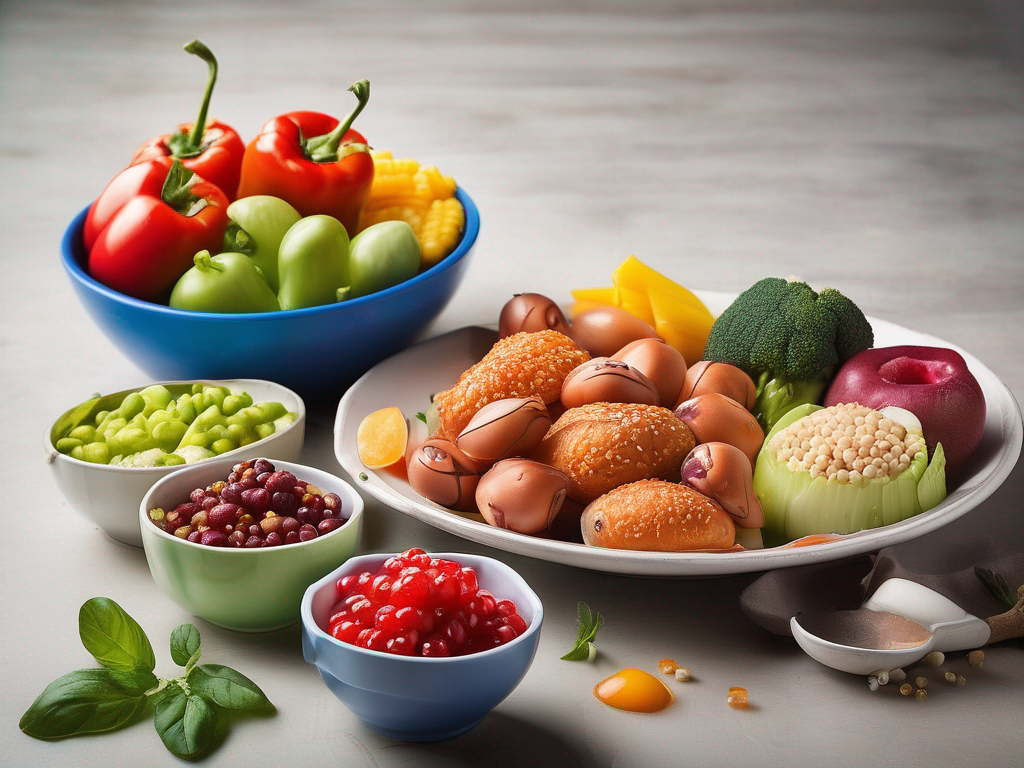
Can Frozen Fruit Go Bad?
Can Frozen Fruit Go Bad?
Can Frozen Fruit Go Bad?
Frozen fruit is a convenient and nutritious option for adding variety to your diet. Whether you use it in smoothies, desserts, or as a snack, frozen fruit can be a great addition to your meal plan. However, like any other food, frozen fruit can go bad if not stored properly. In this blog post, we will explore the factors that can affect the quality and safety of frozen fruit and provide you with tips on how to ensure that your frozen fruit stays fresh and safe to eat.
Factors Affecting the Shelf Life of Frozen Fruit
When it comes to frozen fruit, several factors can impact its shelf life and quality. Understanding these factors can help you make informed decisions about storing and consuming frozen fruit.
1. Temperature
The temperature at which frozen fruit is stored plays a crucial role in determining its shelf life. Frozen fruit should be kept at a constant temperature of 0°F (-18°C) or below to maintain its quality. Fluctuations in temperature can lead to freezer burn, which can affect the texture and flavor of the fruit.
Proper airflow and humidity control can significantly extend produce freshness. Many households use produce storage containers (Amazon) in the refrigerator to regulate moisture and slow spoilage.
2. Packaging
The packaging of frozen fruit is another important factor to consider. Properly sealed packaging helps protect the fruit from freezer burn and contamination. Make sure to use airtight containers or freezer bags to store your frozen fruit.
3. Moisture Content
The moisture content of frozen fruit can also impact its shelf life. Fruits with high water content, such as berries, are more prone to freezer burn compared to fruits with lower water content. Properly blanching or pre-freezing fruits before storage can help preserve their texture and flavor.
4. Storage Duration
While frozen fruit can technically last indefinitely if stored at the right temperature, its quality can deteriorate over time. It is recommended to consume frozen fruit within 6 to 12 months for optimal taste and texture.
Signs of Spoiled Frozen Fruit
It's essential to be able to identify signs of spoiled frozen fruit to prevent foodborne illness. Here are some indicators that your frozen fruit may have gone bad:
1. Freezer Burn
Freezer burn occurs when the moisture in the fruit evaporates, leaving behind dry, discolored patches. While freezer burn is not harmful, it can affect the taste and texture of the fruit.
2. Off Odors
If your frozen fruit develops a sour or off-putting odor, it may be a sign of spoilage. Trust your sense of smell and discard any fruit that smells unusual.
3. Ice Crystals
Large ice crystals forming on the surface of frozen fruit can indicate that the fruit has been subjected to temperature fluctuations. This can affect the quality of the fruit.
4. Changes in Color or Texture
Spoiled frozen fruit may appear discolored, mushy, or slimy. If you notice any significant changes in the color or texture of the fruit, it is best to err on the side of caution and discard it.
common situation
Understanding how frozen fruit can go bad is easier when you relate it to common situations.
situation 1: The Smoothie Maker
Imagine Sarah, who loves to whip up smoothies for breakfast. She buys a bulk bag of frozen mixed berries, excited to enjoy them for weeks. However, she frequently opens the freezer to grab a handful, leaving the bag partially open. A few weeks later, she notices that the berries have a strange texture and taste. What happened? The constant exposure to air and temperature changes led to significant freezer burn, ruining her favorite smoothie ingredient.
situation 2: The Busy Parent
Consider Mark, a busy dad who often prepares meals in advance for his family. He freezes banana slices for quick snacks. One day, he finds a bag in the back of the freezer, but it’s been there for over a year. Upon thawing, he discovers the bananas have turned a strange brown color and feel mushy. Although the bananas are technically safe to eat, the quality has significantly degraded. This situation highlights the importance of labeling and rotating frozen fruit.
Tips for Storing Frozen Fruit Safely
To ensure that your frozen fruit stays fresh and safe to eat, follow these practical tips for storing frozen fruit:
- Properly Seal Packaging: Use airtight containers or freezer bags to prevent air exposure and freezer burn.
- Label and Date: Clearly label your frozen fruit packages with the date of freezing to keep track of storage duration.
- Store at the Back of the Freezer: Store your frozen fruit at the back of the freezer, where the temperature is more consistent.
- Rotate Stock: Use the FIFO (first in, first out) method to rotate your frozen fruit stock and consume older packages first.
- Thaw Safely: Thaw frozen fruit in the refrigerator or under cold running water to prevent the growth of harmful bacteria.
Common Mistakes
Many people make simple yet significant mistakes when it comes to storing frozen fruit. Here are a few common pitfalls to avoid:
1. Not Checking the Temperature
One of the most overlooked aspects of freezer storage is the temperature. Many people don’t realize that just because the freezer is cold, doesn’t mean it’s at the right temperature. Regularly check your freezer’s temperature with a thermometer to ensure it stays at or below 0°F (-18°C).
2. Using Non-Airtight Containers
Another mistake is using non-airtight containers or bags. While it may seem practical to reuse old containers, they may not provide the seal needed to protect your fruit. Always opt for high-quality freezer bags or containers specifically designed for freezing.
3. Storing Fruits Together
Some fruits release ethylene gas, which can accelerate the ripening of nearby fruits. This can lead to spoilage. Keep your frozen fruits separate when possible, particularly if one is more prone to spoilage than the others.
Scientific Context
To better appreciate the preservation of frozen fruit, it's helpful to understand some food safety science. When fruits are frozen, the water inside their cells turns into ice crystals. If frozen quickly, smaller crystals form, which helps maintain the fruit's cellular structure, preserving its texture once thawed. On the other hand, slow freezing leads to larger crystals that can rupture cell walls, resulting in a mushy texture upon thawing. This is why flash freezing is often employed commercially.
Nutritional Information
Frozen fruits can be just as nutritious as fresh ones. They are often picked at the peak of ripeness when they are most nutrient-dense, and immediately frozen. In fact, studies show that freezing can help retain vitamins and minerals, making frozen fruit a fantastic option for healthy eating. Just remember that freezing does not kill bacteria; it merely puts them in a dormant state. Proper handling is essential to minimize food safety risks.
Expert Insights
According to food safety experts, one of the best practices for maintaining the quality of frozen fruit is to freeze them in small portions. This way, you only thaw what you need, reducing waste and preventing the fruit from being refrozen and degraded in quality. Additionally, some experts suggest using a vacuum sealer for long-term storage, as this can significantly extend the shelf life of frozen fruits while preventing freezer burn.
Conclusion
In conclusion, frozen fruit can go bad if not stored properly. By understanding the factors that can affect the quality and safety of frozen fruit, you can take steps to ensure that your frozen fruit remains fresh and safe to eat. Remember to pay attention to signs of spoilage, follow proper storage practices, and consume your frozen fruit within a reasonable timeframe to enjoy its nutritional benefits. With these tips in mind, you can make the most of your frozen fruit and incorporate it into your diet with confidence.
By following the insights and recommendations provided here, you can enjoy the delicious convenience of frozen fruit while minimizing waste and maximizing safety. So next time you reach for that bag of frozen berries, you'll know you’re making a nutritious choice that’s both safe and satisfying!
Authoritative Food Safety References
These agencies and university labs inform every tip and health precaution we publish.
USDA FoodKeeper – Cold Storage Guidelines
Official refrigerator, freezer, and pantry timelines maintained by the U.S. Department of Agriculture.
Visit USDA FoodKeeperFDA Produce Safety Rule & Grower Guidance
Field-to-fridge handling practices that prevent contamination of fruits, vegetables, and leafy greens.
Visit FDA Produce SafetyCDC Foodborne Illness Prevention Hub
Surveillance-backed guidance on pathogens, symptoms, and steps to reduce foodborne illness risk.
Visit CDC Food SafetyUC Davis Postharvest Technology Center
University research detailing optimal storage atmospheres for produce after harvest.
Visit UC Davis PostharvestPenn State Extension – Home Food Preservation & Safety
Peer-reviewed extension bulletins on safe canning, chilling, and reheating practices.
Visit Penn State ExtensionDisclosure: As an Amazon Associate, we earn from qualifying purchases. This helps support our site and allows us to continue providing free food safety information.