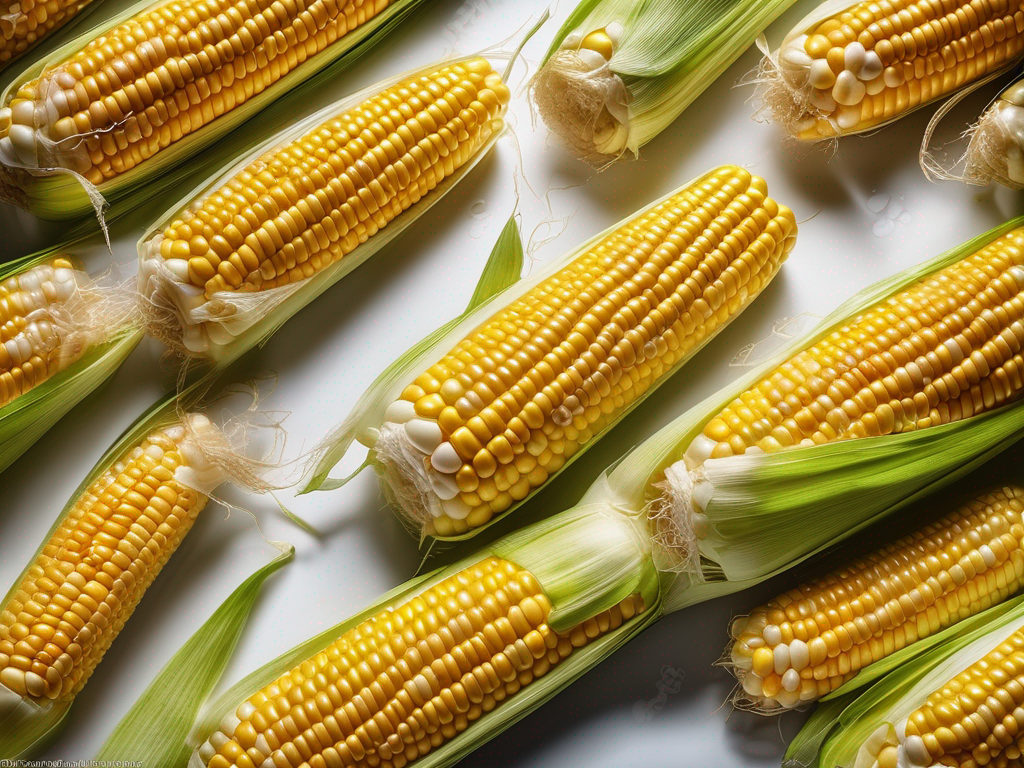
Can Corn Expire: Understanding Food Safety and Shelf Life
Can Corn Expire: Understanding Food Safety and Shelf Life
When it comes to stocking up your pantry, canned foods like corn are a popular choice due to their convenience and long shelf life. However, like all food items, canned corn does have an expiration date. In this comprehensive guide, we will delve into the topic of whether canned corn can expire, how to properly store it, and tips to ensure food safety. (Corn)
How Long Does Canned Corn Last?
Canned corn, when stored properly, can last for a long time. The expiration date printed on the can is a guideline for optimal quality, but canned corn can often remain safe to eat beyond this date. Here are some key points to consider:
Factors Affecting Canned Corn's Shelf Life:
- Storage Conditions: Proper storage is crucial for extending the shelf life of canned corn. Keep it in a cool, dry place away from direct sunlight and moisture.
- Quality of the Can: Check for any signs of damage or rust on the can, as this can compromise the contents and lead to spoilage.
- Expiry Date: While canned corn may still be safe to eat after the expiration date, the quality, taste, and nutritional value may deteriorate over time.
Signs of Spoiled Canned Corn
It's essential to know how to identify spoiled canned corn to prevent foodborne illnesses. Here are some signs to watch out for:
Dry foods stay fresher when protected from moisture, pests, and air exposure. Using airtight pantry containers (Amazon) helps maintain quality and extend shelf life for pantry staples.
Signs of Spoiled Canned Corn:
- Dented or Swollen Cans: This can indicate bacterial growth and spoilage.
- Unpleasant Odor: If the canned corn smells off or foul, it is best to discard it.
- Strange Texture: Changes in texture, such as mushiness or sliminess, are red flags.
Proper Storage Tips for Canned Corn
To maximize the shelf life of canned corn and ensure food safety, follow these storage tips:
Storage Guidelines:
- Cool and Dry: Store canned corn in a cool, dry place, such as a pantry or cupboard.
- Avoid Temperature Fluctuations: Keep the cans away from areas with temperature fluctuations, like near the stove or refrigerator.
- Rotate Stock: Use the oldest cans first to maintain freshness.
- Check Expiry Dates: Regularly check the expiration dates on the cans and consume them before they expire.
Safe Handling and Usage Tips
Even though canned corn has a long shelf life, it is essential to handle and use it safely to prevent foodborne illnesses. Here are some tips to keep in mind:
Safe Handling Tips:
- Wash Hands: Always wash your hands before handling canned corn or any food.
- Use Clean Utensils: Ensure that utensils and surfaces are clean when opening and serving canned corn.
- Proper Disposal: If you suspect that canned corn is spoiled, discard it properly to avoid contamination.
common situation
Understanding how canned corn can fit into everyday life can make its shelf life even more relevant. Consider these relatable situation:
Excess humidity can cause dry foods to clump or spoil. Adding food-safe desiccant packs (Amazon) to storage containers helps control moisture levels and extend shelf life.
situation 1: The Last-Minute Dinner
Imagine it's a busy weeknight, and you find yourself staring at an empty fridge. You remember that you have a few cans of corn tucked away in your pantry. With some quick cooking, you can whip up a delicious corn chowder or add it to a stir-fry. However, you notice it's been a while since you bought those cans. Before diving in, check the expiration date and ensure the can isn't dented or swollen. It's a great example of how canned corn can save the day while also emphasizing the importance of checking for spoilage.
situation 2: The Unexpected Guests
Picture this: You invite friends over at the last minute, and you want to prepare a quick salad. You pop open a can of corn that’s been sitting in your pantry. It smells fine, but is it still good? In this case, knowing the signs of spoilage—like the can's condition and the odor—will help you make a quick decision. If everything checks out, you can add that sweet crunch to your salad without worry!
situation 3: Meal Prepping for the Week
For those who are big on meal prep, canned corn can be a valuable staple. You might plan a week’s worth of lunches, including corn in tacos, soups, and salads. As you prepare your meals, you realize that some of the cans are nearing their expiration dates. This serves as a perfect reminder to use up older cans first, preventing waste and ensuring that your meals taste fresh and delicious.
Scientific Context: Understanding Food Safety and Preservation
Food safety doesn’t just revolve around expiration dates; it’s also about understanding the science behind food preservation. Canning is a process that involves sealing food in airtight containers and heating them to kill bacteria. This method effectively prevents spoilage and allows canned foods, like corn, to be stored for extended periods.
Nutritional Information
Canned corn retains many of the nutrients found in fresh corn, including fiber, vitamins B and C, and essential minerals. However, it’s worth noting that the canning process may slightly reduce certain nutrients. For instance, the vitamin C content can decrease, while fiber and carbohydrates remain relatively stable. Thus, while canned corn is a great alternative to fresh corn, it is always a good idea to incorporate a variety of foods into your diet to ensure balanced nutrition.
Common Mistakes to Avoid
Many people unknowingly make mistakes regarding canned corn and food safety. Here are some of the most common missteps:
Mistake 1: Ignoring Expiration Dates
One major misconception is that food is still good as long as it looks and smells fine, even after the expiration date. While many canned goods can be safe to eat beyond these dates, it’s essential to check the condition of the can and the product inside carefully.
Mistake 2: Not Storing Properly
Another frequent error is failing to store canned corn correctly. Many people toss their cans into a cupboard without considering temperature or humidity. Remember, a cool, dry environment helps preserve the quality of your canned goods.
Mistake 3: Assuming All Cans are Created Equal
Not all canned goods are processed in the same way. Some brands may use more preservatives than others. Check the labels for additional ingredients and nutritional information to make informed choices.
Expert Insights: Professional Recommendations
Food safety experts emphasize the importance of regular pantry checks and understanding the products you consume. Food safety guidance from public health agencies, a food safety specialist, recommends that consumers not only check expiration dates but also familiarize themselves with the signs of spoilage. “It’s not just about the date on the can; it’s about being proactive,” she advises. "Regularly rotating your stock and knowing how to identify spoiled items will keep your family safe and your meals enjoyable."
Detailed Storage Techniques
To ensure your canned corn and other canned goods remain fresh for as long as possible, consider these detailed storage techniques:
Use a First-In, First-Out System
When you bring new cans into your pantry, place them behind older cans. This ensures you'll use the oldest items first, minimizing the risk of spoilage.
Consider Temperature Control
If you live in an area with extreme temperatures, consider storing canned goods in a climate-controlled space. Extreme heat can affect the can's integrity, while extreme cold may not be ideal for other types of food.
Keep an Inventory
Keeping a simple inventory of what’s in your pantry can help you stay organized and aware of what needs to be used soon. This can be as simple as a notepad on your fridge or an app on your phone.
Safety Warnings and Important Considerations
While canned corn is a safe food choice when stored and handled correctly, there are still some safety warnings to keep in mind:
- Can Integrity: Always check for bulging or leaking cans; these are signs of contamination and the product should be discarded.
- Cross-Contamination: If canned corn has been opened, any leftovers should be transferred to a separate container before refrigeration to prevent bacteria growth.
- High Sodium Content: Many canned corn varieties come with added salt. If you’re watching your sodium intake, look for low-sodium options.
Conclusion
In conclusion, canned corn can expire, but proper storage and handling can extend its shelf life. By being aware of the signs of spoilage and following safe storage practices, you can enjoy the convenience of canned corn while ensuring food safety for you and your family. Remember to check expiration dates, store cans in optimal conditions, and practice safe handling to make the most of your canned corn supply. (Corn)
Related Posts
Here are some other articles you might find helpful:
- The Truth About Expired Corn Bread Mix
- The Ultimate Guide to Corn Tortillas Expiration Date
- The risks and considerations of Consuming Expired Corn
- The Ultimate Guide to Corn Tortilla Expiration Dates
- La mejor manera de almacenar las tortillas de maíz para prolongar su vida útil
Authoritative Food Safety References
These agencies and university labs inform every tip and health precaution we publish.
USDA FoodKeeper – Cold Storage Guidelines
Official refrigerator, freezer, and pantry timelines maintained by the U.S. Department of Agriculture.
Visit USDA FoodKeeperFDA Produce Safety Rule & Grower Guidance
Field-to-fridge handling practices that prevent contamination of fruits, vegetables, and leafy greens.
Visit FDA Produce SafetyCDC Foodborne Illness Prevention Hub
Surveillance-backed guidance on pathogens, symptoms, and steps to reduce foodborne illness risk.
Visit CDC Food SafetyUC Davis Postharvest Technology Center
University research detailing optimal storage atmospheres for produce after harvest.
Visit UC Davis PostharvestPenn State Extension – Home Food Preservation & Safety
Peer-reviewed extension bulletins on safe canning, chilling, and reheating practices.
Visit Penn State ExtensionFrequently Asked Questions
How can I tell if corn has gone bad?
Can I still eat corn after the expiration date?
How should I store corn to prolong its shelf life?
Can I freeze corn to preserve it?
Disclosure: As an Amazon Associate, we earn from qualifying purchases. This helps support our site and allows us to continue providing free food safety information.