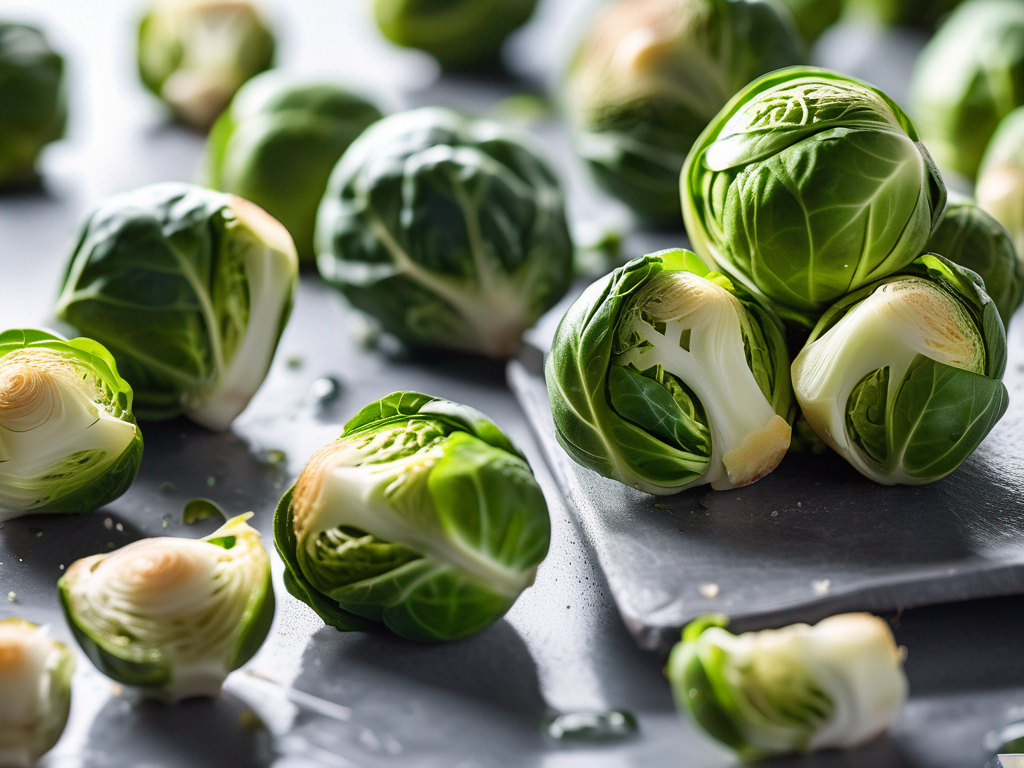
Can Brussels Sprouts be Safely Stored in the Pantry?
Can Brussels Sprouts be Safely Stored in the Pantry?
Brussels sprouts are a nutritious and versatile vegetable that can be a great addition to your meals. But when it comes to storing them, many people wonder if it's safe to keep them in the pantry. In this blog post, we will delve into the ins and outs of storing Brussels sprouts in the pantry, providing you with practical tips and essential food safety information. (Brussels sprouts)
Understanding Brussels Sprouts
Before we dive into the storage aspect, let's take a moment to appreciate the nutritional benefits of Brussels sprouts. These mini cabbage-like vegetables are rich in vitamins C and K, fiber, and antioxidants. They are not only delicious but also offer numerous nutritional quality, including boosting the immune system and supporting digestion.
Choosing Fresh Brussels Sprouts
When selecting Brussels sprouts for storage, opt for ones that are firm, bright green, and compact. Avoid sprouts that are wilted, discolored, or have a strong odor, as these are signs of spoilage. Fresh Brussels sprouts can typically last for about 3-4 weeks if stored properly.
Proper airflow and humidity control can significantly extend produce freshness. Many households use produce storage containers (Amazon) in the refrigerator to regulate moisture and slow spoilage.
Storing Brussels Sprouts in the Pantry
Contrary to popular belief, Brussels sprouts are best stored in the refrigerator rather than the pantry. The cool and consistent temperature of the fridge helps maintain the freshness and flavor of the sprouts for a longer period. However, if you have a surplus of Brussels sprouts and need to store them in the pantry temporarily, follow these guidelines to ensure their safety:
Steps for Safely Storing Brussels Sprouts in the Pantry
-
Inspect the Brussels Sprouts: Before storing Brussels sprouts in the pantry, carefully examine each sprout to ensure they are free from any signs of mold or damage.
-
Prep the Brussels Sprouts: Remove any loose or yellowing outer leaves from the sprouts. Trim the stems slightly and give them a quick rinse under cold water.
💡Keeping produce organized can improve air circulation and cooling. refrigerator organizer bins (Amazon) help reduce overcrowding and maintain consistent refrigerator temperatures.
-
Dry Thoroughly: Pat the Brussels sprouts dry with a clean kitchen towel or paper towel. Excess moisture can lead to mold growth, so it's crucial to ensure they are completely dry before storage.
-
Choose the Right Storage Container: Opt for a breathable container such as a paper bag or perforated plastic bag. Avoid sealing the sprouts in an airtight container, as this can trap moisture and promote spoilage.
-
Store in a Cool, Dark Place: Place the prepared Brussels sprouts in the pantry away from direct sunlight and heat sources. A temperature range of 32-40°F (0-4°C) is ideal for maintaining their freshness.
-
Regularly Check for Spoilage: Periodically inspect the stored Brussels sprouts for any signs of mold, discoloration, or unpleasant odors. Discard any sprouts that show these signs to prevent contamination.
By following these steps, you can safely store Brussels sprouts in the pantry for a short period. However, for longer-term storage, refrigeration is recommended to preserve their quality and taste.
Conclusion
While storing Brussels sprouts in the pantry is possible for a brief period, refrigeration is the preferred method to extend their shelf life and maintain their nutritional value. By taking the necessary precautions and following the storage guidelines outlined in this blog post, you can enjoy fresh and delicious Brussels sprouts in your meals. Remember to prioritize food safety and quality when storing any perishable items, including Brussels sprouts. (Brussels sprouts)
Authoritative Food Safety References
These agencies and university labs inform every tip and health precaution we publish.
USDA FoodKeeper – Cold Storage Guidelines
Official refrigerator, freezer, and pantry timelines maintained by the U.S. Department of Agriculture.
Visit USDA FoodKeeperFDA Produce Safety Rule & Grower Guidance
Field-to-fridge handling practices that prevent contamination of fruits, vegetables, and leafy greens.
Visit FDA Produce SafetyCDC Foodborne Illness Prevention Hub
Surveillance-backed guidance on pathogens, symptoms, and steps to reduce foodborne illness risk.
Visit CDC Food SafetyUC Davis Postharvest Technology Center
University research detailing optimal storage atmospheres for produce after harvest.
Visit UC Davis PostharvestPenn State Extension – Home Food Preservation & Safety
Peer-reviewed extension bulletins on safe canning, chilling, and reheating practices.
Visit Penn State ExtensionDisclosure: As an Amazon Associate, we earn from qualifying purchases. This helps support our site and allows us to continue providing free food safety information.