Can Ashwagandha Powder Go Bad?
Can Ashwagandha Powder Go Bad?
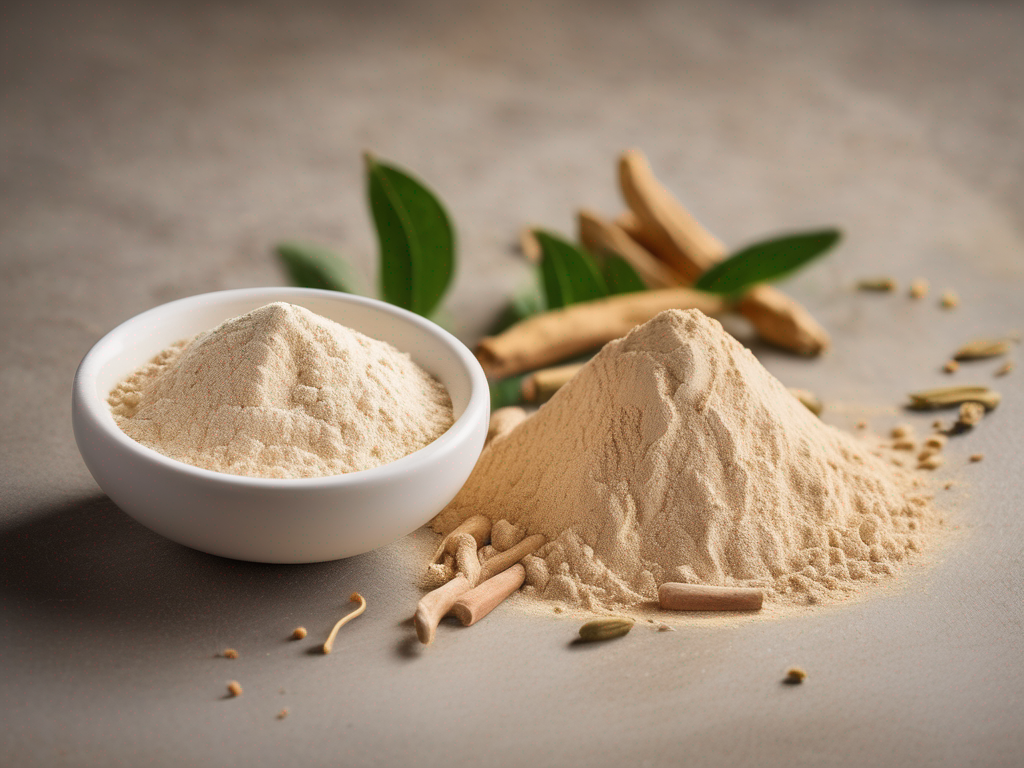
Ashwagandha powder, derived from the roots of the Withania somnifera plant, has gained popularity for its potential nutritional quality, including stress reduction, improved immunity, and enhanced vitality. As with any food product, proper storage is crucial to maintain its quality and safety. In this blog post, we will explore the shelf life of ashwagandha powder, signs of spoilage, and best practices for storage to ensure its longevity and effectiveness. (Ashwagandha powder)
Understanding the Shelf Life of Ashwagandha Powder
Ashwagandha powder is known for its long shelf life compared to fresh herbs or produce. However, like any other product, it does have a limited period of optimal quality. Here are some key points to consider regarding the shelf life of ashwagandha powder:
Factors Affecting Shelf Life
Several factors can influence the shelf life of ashwagandha powder, including:
- Storage Conditions: Proper storage is essential to prevent moisture and humidity from affecting the powder.
- Packaging: The quality of the packaging can impact the powder's exposure to light, air, and moisture.
- Quality of the Powder: The freshness and quality of the initial product can determine how long it will last.
Typical Shelf Life
When stored correctly in a cool, dry place away from direct sunlight and moisture, ashwagandha powder can maintain its quality for up to 2-3 years. However, its potency may gradually decrease over time.
Signs of Spoilage
While ashwagandha powder has a long shelf life, it is essential to be aware of signs that indicate spoilage. Here are some common indicators that your ashwagandha powder may have gone bad:
Spoilage Signs
- Unpleasant Odor: If the powder develops a musty or rancid smell, it is likely spoiled.
- Change in Color: Discoloration or the presence of dark spots can signal degradation.
- Clumping: Moisture exposure can cause the powder to clump together, indicating spoilage.
- Loss of Potency: If the powder loses its characteristic flavor and potency, it may be past its prime.
Best Practices for Storing Ashwagandha Powder
To maximize the shelf life and quality of your ashwagandha powder, follow these storage tips:
Storage Tips
- Choose the Right Container: Store the powder in an airtight container to prevent exposure to air and moisture.
- Avoid Light Exposure: Keep the container away from direct sunlight to preserve the powder's potency.
- Control Temperature: Store the powder in a cool, dry place, away from heat sources and fluctuations in temperature.
- Minimize Air Exposure: Seal the container tightly after each use to prevent air from entering and affecting the powder.
Conclusion
In conclusion, ashwagandha powder can go bad if not stored properly. By understanding its shelf life, recognizing signs of spoilage, and following best storage practices, you can ensure that your ashwagandha powder remains fresh and effective for an extended period. Remember to check the quality of the powder regularly and dispose of it if you notice any indications of spoilage. Proper storage is key to maximizing the benefits of this valuable herbal supplement.
For more information on ashwagandha powder and its nutritional quality, visit [ashwagandha powder](/food/ashwagandha powder). (Ashwagandha powder)

Authoritative Food Safety References
These agencies and university labs inform every tip and health precaution we publish.
USDA FoodKeeper – Cold Storage Guidelines
Official refrigerator, freezer, and pantry timelines maintained by the U.S. Department of Agriculture.
Visit USDA FoodKeeperFDA Produce Safety Rule & Grower Guidance
Field-to-fridge handling practices that prevent contamination of fruits, vegetables, and leafy greens.
Visit FDA Produce SafetyCDC Foodborne Illness Prevention Hub
Surveillance-backed guidance on pathogens, symptoms, and steps to reduce foodborne illness risk.
Visit CDC Food SafetyUC Davis Postharvest Technology Center
University research detailing optimal storage atmospheres for produce after harvest.
Visit UC Davis PostharvestPenn State Extension – Home Food Preservation & Safety
Peer-reviewed extension bulletins on safe canning, chilling, and reheating practices.
Visit Penn State Extension